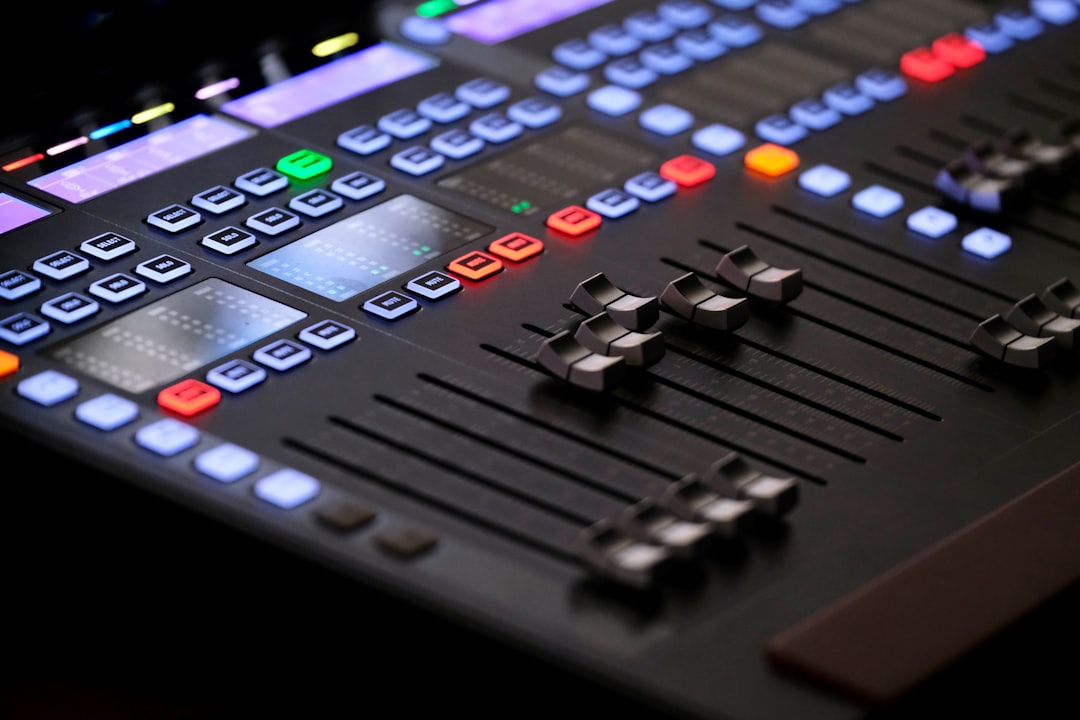
You’re in the middle of a two-hour set at a packed warehouse in Berlin. The crowd is locked in, the bass is thumping, and you just dropped a live vocal loop you recorded on the fly with your SP-404. But here’s the thing—your levels are a little off. The low end is muddy, the high hats are piercing, and you can feel the monitor mix fighting you. In the old days, you’d have to either pray the sound guy catches it or lean on years of ear training to tweak EQs mid-transition. That’s not the case anymore. AI mastering for live recording is quietly reshaping how DJs handle audio in real time, and it’s changing the game for everyone from bedroom beatmakers to club headliners.
Let’s get one thing straight: AI mastering isn’t about replacing your taste or your instincts. It’s about giving you a safety net that lets you focus on the flow. Think of it like having a ghost engineer in the booth who never gets tired, never misses a transient, and doesn’t need a beer break. When you’re recording a live set for a mix series, a podcast, or a streaming session, AI mastering tools can analyze your audio in milliseconds and apply corrective EQ, compression, and limiting without you having to touch a single knob. Tools like LANDR, Ozone’s AI assistant, and even Ableton Live’s built-in spectral analysis are becoming smarter about context—they know when you’re transitioning between genres, when you’re using live effects, and when you need that extra bit of headroom before a drop.
This matters more than ever because live DJ recording is no longer just a souvenir for your hard drive. It’s content. It’s your brand. Whether you’re uploading to SoundCloud, YouTube, or Twitch, your audience expects polished audio that translates well on headphones and phone speakers alike. AI mastering helps bridge the gap between the raw energy of a live set and the crisp clarity that listeners demand. You can record your set, run it through a mastering AI, and have a club-quality mix ready in minutes—not hours. That speed is crucial when you’re touring or juggling multiple releases.
But the real shift is happening in real-time. Some DJ software and hardware are starting to incorporate machine learning into the live mix itself. Think about it: imagine a system that listens to your incoming track, detects its key, tempo, and dynamic range, then automatically adjusts your EQ curve and compression settings for a seamless blend. No more guessing. No more watching the waveform. Just pure, intuitive mixing where the tech handles the math and you handle the vibe. Brands like Pioneer DJ and Denon are already experimenting with smart EQ and AI-assisted beat matching that learns your style over time. It’s not sci-fi—it’s shipping now.
For the DJ who’s also a producer, AI mastering opens up a whole new workflow. You can record a live improvisation, run it through AI mastering, and immediately use that as a rough draft for a studio track. Or you can take a live recording from a festival and release it as an official bootleg without spending days behind the console. The barrier to entry for high-quality live audio is dropping fast, and that means more DJs can share their sets without worrying about technical flaws.
Of course, there’s a healthy skepticism. Some purists argue that AI mastering strips the character out of a live recording—too clean, too sterile. And yeah, there’s a learning curve. You have to train your ear to know when to trust the AI and when to override it. But here’s the thing: AI mastering is a tool, not a crutch. The best DJs use it to handle the boring stuff so they can spend more time digging for rare tracks, crafting transitions, and reading the room. The future of DJing isn’t about man versus machine. It’s about man plus machine, with the AI in the booth doing the heavy lifting so you can keep your hands on the decks and your eyes on the crowd.
So next time you’re prepping for a live recording, don’t sweat the levels. Let the AI handle the mastering. Your energy is better spent on the moment—the drop, the break, the crowd losing their minds. That’s the future, and it’s already here.