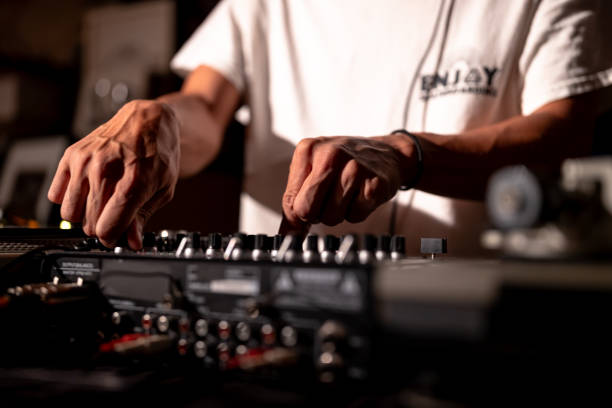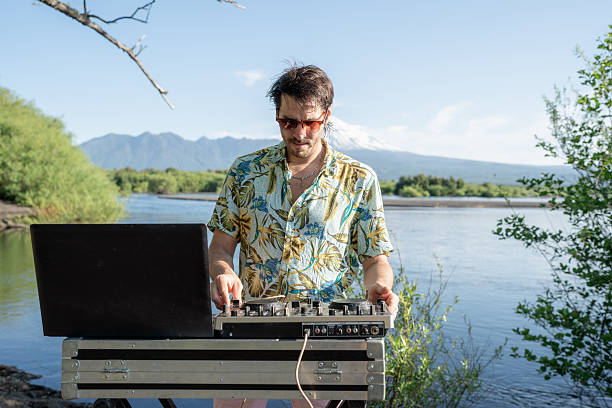
So you’ve got a killer set lined up. The monitors are cranked, the subs are pushing air through your chest, and you’re ready to lose yourself in the mix for hours. Maybe you’ve got a mild headache creeping in or you’re just trying to preemptively dodge that post-show ear fatigue. Someone hands you an aspirin. Or maybe you pop one out of habit. Stop right there.
Here’s the thing nobody tells you when you’re grinding through the DJ life: taking aspirin, ibuprofen, or any NSAID before or during exposure to loud sound might actually make your ears more vulnerable to permanent damage. And in a world where your hearing is your most essential tool, that’s a risk you don’t want to take for the sake of a temporary fix.
Let’s get into the science real quick without getting too textbook. Aspirin and similar anti-inflammatory drugs work by thinning your blood and reducing inflammation. That’s great if you’ve got a sore knee or a fever. But your inner ear, specifically the cochlea, is a delicate little machine filled with tiny hair cells that translate sound waves into electrical signals for your brain. These hair cells don’t regenerate. Once they’re gone, they’re gone. When you’re standing next to a massive sound system, the sheer acoustic energy can cause mechanical stress and even temporary inflammation in those hair cells. Normally, your body has some natural protective mechanisms to limit damage, like reducing blood flow to the inner ear during loud exposure. Aspirin messes with that. By thinning your blood and interfering with those protective signals, you could be lowering your ear’s natural defenses against noise-induced hearing loss.
There’s also a specific phenomenon called ototoxicity. Aspirin, especially in higher doses, can be directly toxic to the hair cells and auditory nerves. Combine that with loud noise, and you’ve essentially doubled the risk. Some DJs and production folks even notice temporary tinnitus or a feeling of fullness in the ears after taking pain relievers before a loud gig. That’s your ears waving a red flag.
Now, nobody’s saying you should suffer through pain. But if you’re reaching for painkillers on a regular basis before a show, that’s a sign you might be pushing your volume or your body too hard. Instead, consider some alternatives that protect your health and your hearing longevity.
First, hydrate. Dehydration makes your ears more sensitive to fatigue and can cause headaches all on its own. Down a bottle of water before you step behind the decks, and keep sipping throughout your set. Caffeine and alcohol are diuretics, so if you’re mixing those with loud music, you’re stacking the deck against your ears.
Second, invest in high-fidelity earplugs. I’m talking about the ones with filters that lower the volume evenly without muffling the sound. Brands like Eargasm, Loop, or custom-molded options from an audiologist let you monitor your mix clearly while shaving off 15 to 25 decibels. You can still feel the bass, you can still catch the nuances in a transition, and you walk out of the club without that ringing in your ears. That’s a game-changer for longevity.
Third, use the breaks in your set to give your ears a rest. Step away from the booth, find a quieter corner, and let your auditory system reset for a few minutes. Even five minutes of relative silence can reduce cumulative strain.
Fourth, keep a clean diet before a gig. Some DJs swear by magnesium-rich foods like almonds, bananas, or spinach, because magnesium is thought to protect the inner ear from noise damage by improving blood flow to the cochlea and preventing free radical formation. That’s a much safer pre-show snack than a handful of pills.
Finally, if you do have a headache or body pain that’s not going away, don’t ignore it. But consider topical pain relief, gentle stretching, or simply stepping off the decks early if you’re feeling run down. The DJ life is long, and your hearing needs to last the whole ride.
Remember the legends who built this culture: Larry Levan at the Paradise Garage, Frankie Knuckles in Chicago, Wendy Hunt holding it down in New York. They played through marathon nights, sometimes with primitive sound systems that would leave your ears ringing for days. Many of them dealt with hearing issues later in life. We don’t need to repeat those mistakes. We’ve got better tools, better science, and better awareness.
So next time you’re about to lock in for a loud session, leave the aspirin in the drawer. Reach for water, earplugs, and a little bit of magnesium instead. Your future self, ten years down the line, will thank you when you can still hear every crisp hi-hat and every sub-bass rumble in the mix.