If you’ve ever watched a DJ battle—where two turntablists go head-to-head, scratching, juggling, and flipping records into percussive chaos—you’ve probably felt that jolt of adrenaline when a perfectly timed flare scratch hits. That energy didn’t come from nowhere. It was built by pioneers who treated the turntable like a musical instrument, not just a playback device. And when we talk about the architects of that revolution, one name stands above the rest: Qbert. But to understand how battle DJs like Qbert rose to legendary status, we have to rewind to the gritty roots of hip hop DJ culture, back when the mixer was a weapon and the crossfader was a lifeline.
The story starts in the late 1970s and early 80s, when DJs like Kool Herc, Grandmaster Flash, and Afrika Bambaataa were inventing hip hop from scratch. They looped breaks, extended drum patterns, and made crowds lose their minds in Bronx rec rooms. But those were party DJs, not battle DJs. The battle scene was born when a new breed of DJs realized you could compete with technique. Scratching—a sound that originally was an accident during live mixing—became a signature move. The first formal DJ battles popped up in the mid-80s, with the New Music Seminar’s DJ Battle for World Supremacy setting the stage. That’s where figures like DJ Jazzy Jeff (the guy who flipped the transformers sound into a household trick) and Cash Money (whose style was pure aggression) showed that DJing wasn’t just about playing records; it was about owning the moment.
Enter Qbert. Born Richard Quitevis in San Francisco, he grew up absorbing the sounds of hip hop, funk, and breaks. But unlike many DJs who focused on blending, Qbert saw the turntable as a blank canvas. He started DJing in the late 80s and quickly became obsessed with scratching. Alongside DJs like Mix Master Mike, D-Styles, and Shortkut, he formed the Invisibl Skratch Piklz—a crew that would literally rewrite what was possible on two turntables and a mixer. Their approach was insane: they developed complex scratches like the crab scratch (a rapid-fire motion using multiple fingers) and the flare (a scratch that required precise hand coordination). These weren’t just party tricks; they were new musical vocabularies.
The rise of battle DJs like Qbert coincided with major technological shifts. In the early 90s, DJs were still rocking vinyl, but the introduction of digital mixers and more responsive crossfaders made faster, more intricate movements feasible. Qbert and his peers pushed those tools to their absolute limit. They started producing scratch records—vinyl discs filled with sound snippets designed specifically for turntablism. Records like “Wave Twisters” and “Qbert’s Mix” became blueprints for entire generations. And let’s not forget the battle culture itself: competitions like the DMC World DJ Championships and the ITF (International Turntablist Federation) gave these pioneers a global stage. When Qbert won the DMC world title multiple times in the mid-90s, he wasn’t just winning trophies—he was proving that a DJ could be a virtuoso.
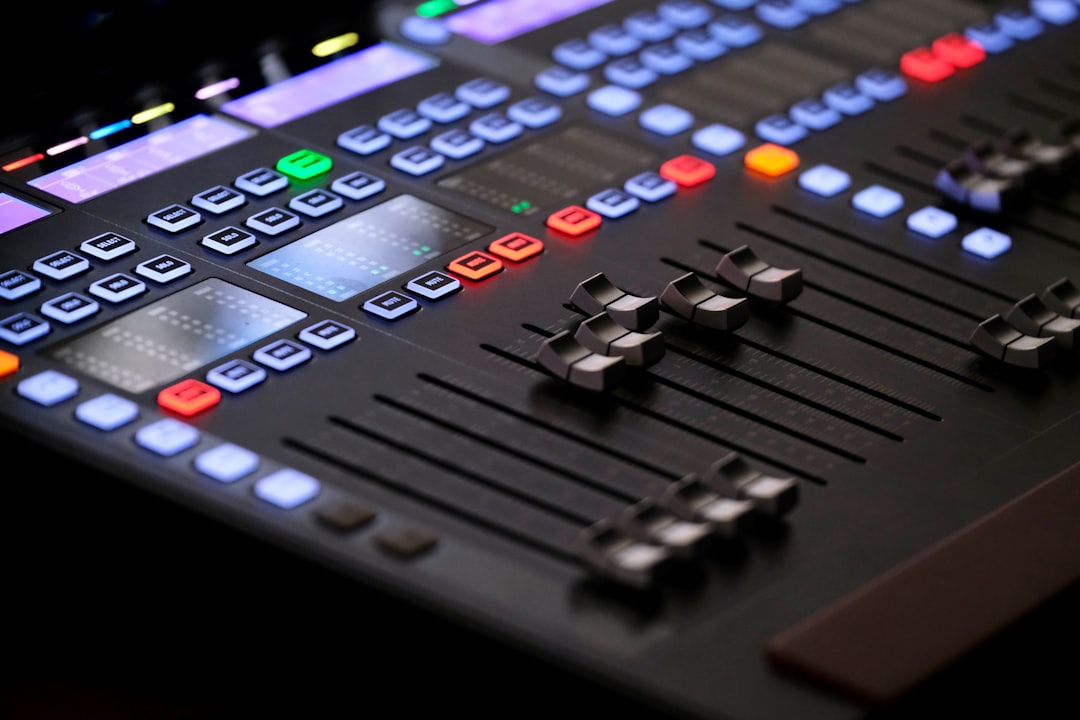
But the influence of battle DJs goes way beyond trophies. They changed how we think about DJ gear. Before them, mixers were utilitarian boxes. After Qbert’s crab scratch became iconic, manufacturers started designing crossfader curves and fader mechanisms specifically for technique. Rane, Vestax, and later Pioneer and Allen & Heath owe a lot to battle DJs who demanded precision. Even today, when you pick up a DJ controller with a tension-adjustable crossfader, you’re holding decades of battle innovation in your hands. And let’s be real: the entire modern “DJ as performer” ethos—where you’re expected to scratch, beat juggle, and keep energy high—traces back to the competitive fire Qbert and his crew lit.
Now, we can’t talk about battle DJ pioneers without acknowledging the broader lineage. Before Qbert, there was Grandmixer D.ST (who scratched on Herbie Hancock’s “Rockit” and stunned the world), and then guys like DJ Scratch (of EPMD), DJ Cash Money, and DJ Excel. Each added layers to the vocabulary. But Qbert’s unique contribution was elevating scratches from sound effects to rhythmic melodies. He turned the turntable into a drum machine, a synth, and a voice all at once. If you watch his battles today, you’ll still hear patterns that sound like someone beatboxing or playing a kalimba—except it’s all vinyl friction and fader clicks.
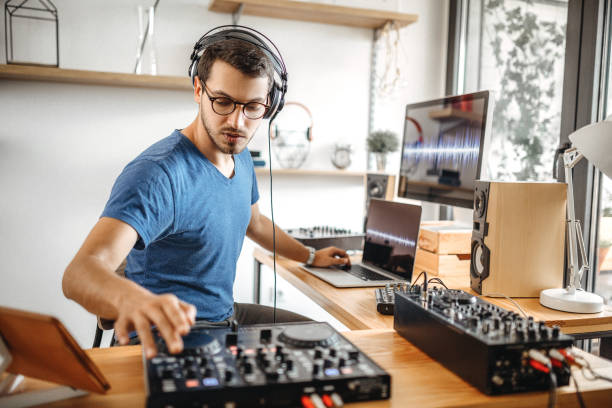
Where does this leave us today? The battle scene has evolved, with digital controllers and Serato taking over, but the spirit remains. New-school turntablists like DJ Perly, DJ Trayze, and even younger competitors still study Qbert’s battle routines like sacred texts. The equipment has changed, but the techniques have not. Every time you hear a perfectly executed crab scratch at a club or a festival, you’re hearing the echo of a pioneer who once practiced for hours in a bedroom in San Francisco.
So when you’re building your own DJ career—whether you’re mixing house tracks in Ibiza or battling at a local Red Bull event—remember that the battle DJs like Qbert are why you can do what you do. They turned a hobby into a sport, a craft into a culture, and a turntable into an instrument. Hip hop DJ evolution wouldn’t be what it is without them. Now go practice that flare.