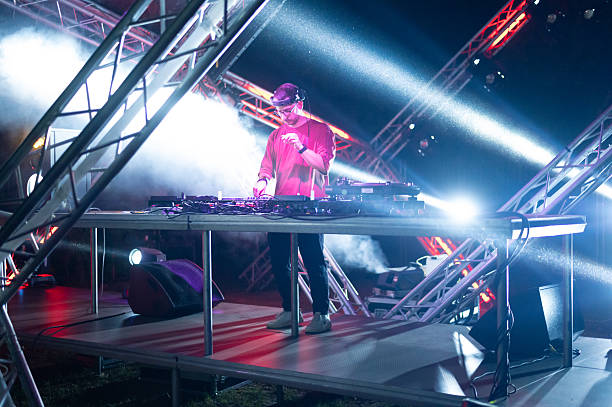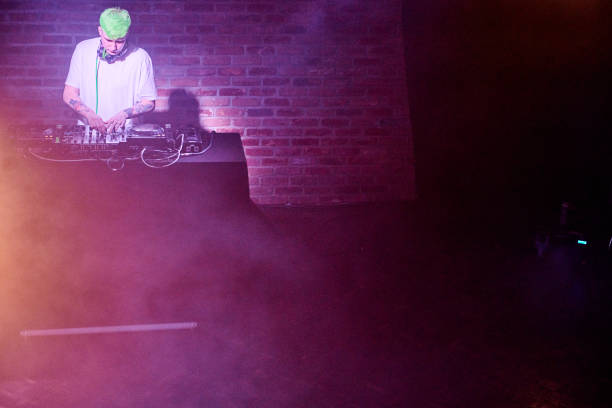
Let’s cut the pretense—if you’re building your global clubbing bucket list and Berghain isn’t at the very top, you’re either lying to yourself or you haven’t heard the kick drum. This isn’t just another club. This is the monastery of techno, the unmarked door in a former power plant where the bouncers are more feared than any b2b set, and where the legendary Ostgut Ton label was born from the boiler room floor itself. For any DJ, producer, or just a head who lives for four-on-the-floor, stepping into this space is like a pilgrimage. It’s the temple where the sound system vibrates your bones, where the sex-positive darkness is law, and where time literally dissolves on Sundays.
Berghain’s authority isn’t just about the massive concrete walls or the infamous door policy. It’s about the sonic identity that was curated by Ostgut Ton, the label that rose from the ashes of the club’s predecessor, Ostgut, back in the late ’90s. Before Berghain became the global symbol of hedonistic, marathon clubbing, the label was already cooking up a blueprint for a very specific, tough, and hypnotic techno sound. Think of it as the official soundtrack to the club’s soul. When you talk about bucket-list clubs, you’re talking about places that have a legacy that changes you. Berghain, through Ostgut Ton, literally invented the genre of “Berlin techno” as we know it. Artists like Ben Klock, Marcel Dettmann, and even the original soundscape architect, André Galluzzi, all built their careers around that room’s unforgiving acoustics.
What makes this spot a legendary European temple is how it weaponizes intimacy and scale at the same time. You walk into the main floor, the Halle, and it feels like you’re inside a cathedral of bass. The Funktion-One sound system isn’t there to please you; it’s there to punish you in the best way possible. The cloth-covered walls, the high ceilings, the way the concrete reflects light perfectly dim—it’s engineered for the deepest, longest journeys. And that’s the thing that every DJ knows: you can’t fake a set at Berghain. The crowd is too seasoned, the room is too demanding. You have to earn your keep. That’s why booking a slot there on the bucket list isn’t just for dancers—it’s mandatory for anyone who wants to feel what a perfectly mixed, nonlinear techno set can do to a brain that has been dancing for twelve hours straight.
But don’t let the mystique fool you. The real juice is in the culture. The club’s “no photo” policy isn’t a gimmick; it’s a spiritual contract. When you’re inside, you’re not curated for Instagram. You’re there to sweat, to connect, to maybe lose your phone in the dark for three hours and not care. The vibe is raw, queer, unapologetically underground, and the door policy—while frustrating—protects that energy. It’s not about being cool; it’s about being present. For traveling DJs, that’s the ultimate reminder of why we started this whole thing: not for likes, but for the feeling of the drop hitting at 6 AM when the sunrise is a rumor and the only reality is the kick drum and the person next to you.
Ostgut Ton’s authority cemented this place as the mothership. They released the seminal “Berghain 01” and “02” mixes, which are practically textbooks for how to layer percussive techno. The label’s downtime during the pandemic only made its return more profound. Now, as Berlin’s club scene deals with gentrification and noise complaints, Berghain and Ostgut Ton stand as the fortress most likely to survive. The bucket list isn’t just about checking a box. It’s about understanding the roots of modern clubbing. And those roots run deep, cold, and dark under the concrete of Friedr Strasse. If you haven’t queued in the cold for an hour just to get a “Nein,” you haven’t really lived the DJ life. But if you get that stamp, and you walk through the coat check into that massive, echoing void, you’ll understand why this is the benchmark for every single other temple on Earth.