Let’s be real for a second. You’re not trying to play Berghain next weekend. You’re not chasing a Pioneer DJ sponsorship. You’re the person who clicks “record” on a Thursday night, drops a 90-minute journey of house, disco, and afrobeat into your headphones, and sends it to the group chat with the caption “vibes only.” You are a casual DJ. And that’s a beautiful thing. This section of the Holy Grail Headphones isn’t about pro rigs that cost more than your rent. It’s about the gear that makes mixing feel good, sound clean, and actually bring you joy without the anxiety of a rider contract.
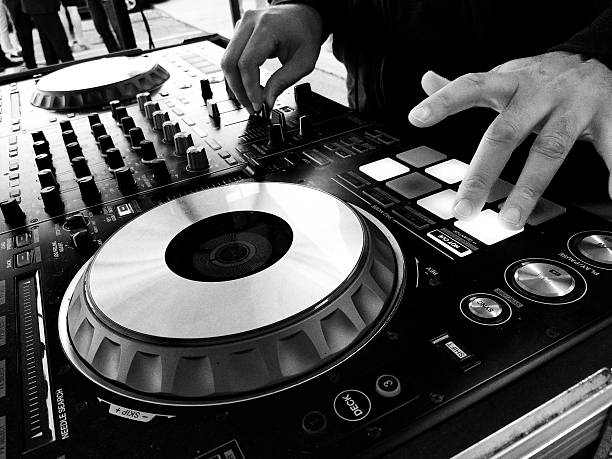
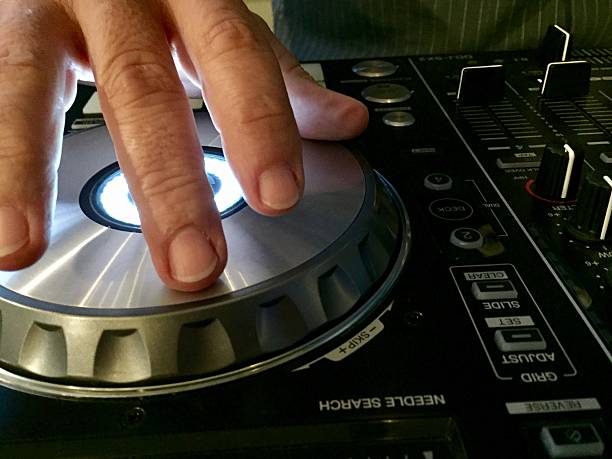
First, let’s talk about the brain of the operation: your source. You don’t need CDJ-3000s. You need a device that won’t crash when you’ve got a 4.5-hour set of 128kbps YouTube rips you found in a forgotten corner of a Discord server. The easiest, most forgiving entry point is a solid controller. Something like the Pioneer DDJ-FLX4 or the Numark Mixtrack Pro FX gives you all the tactile feedback of real decks—pitch faders, EQ knobs, a crossfader—without the five-figure price tag. The FLX4 even has that smart fader feature that syncs beats for you when you’re still learning to ride the pitch. That’s not cheating; that’s a cheat code. But here’s the real secret: you can also get away with a used DDJ-400 from Facebook Marketplace, spend half an hour cleaning the dust out of the faders, and have a setup that absolutely bangs for under $250.
Now, the unsexy piece that will save your life: your audio interface. If you’re using a laptop’s headphone jack for both your master output and your cue, you’re fighting a losing battle. The latency will drift. The sound will clip. Your transitions will sound like someone dropping a refrigerator down a flight of stairs. Get a cheap USB audio interface—the Focusrite Scarlett Solo or the Behringer U-Phoria UM2—and suddenly you have separate control over what you hear in your cans and what the speakers pump out. It’s the difference between mixing in the dark and having the sun out. You don’t need premium cables, either. Just get a pack of decent 1/4-inch TRS cables and a couple of RCA-to-aux adapters for when you’re plugging into a friend’s weird Bluetooth speaker at a house party.
Speaking of cables, you are going to lose them. Buy ten aux cables on Amazon for $12. Hide them in your backpack, your car glovebox, your desk drawer, and that one pocket of your hoodie you never check. When the aux cable disappears at 2 AM, you become the hero who saves the party. That’s casual DJ power.
Let’s get to the star of the show: your headphones. For a casual DJ, you don’t need closed-back studio monitors that cost $400. You need something durable enough to survive being tossed into a bag with a water bottle, comfortable enough to wear for two hours straight, and with enough isolation that you can hear your cue track over a loud crowd of people screaming “play that one TikTok song.” The classic Sony MDR-7506 is the Toyota Corolla of DJ headphones—boring, reliable, and built to last forever. They fold flat, they’re light, and you can replace the ear pads for ten bucks. If you want something with a bit more low-end punch for those house grooves, the Audio-Technica ATH-M20x is a great choice and often under $50. Stay away from Beats. Stay away from anything with “gaming” in the name. You want a neutral frequency response that lets you hear your levels, not bass that rattles your skull.
Storage is a low-key flex. A 256GB USB stick is your best friend. Use it to organize your library by genre, BPM range, and vibe. Label folders like “Warm Up,” “Driving,” “Late Night,” and “Yes, play this again.” When you roll up to a friend’s setup, you’re not fumbling with a laptop. You just plug in, load a track, and nod like you’ve been doing this since Larry Levan was spinning at the Paradise Garage.
Finally, your software. Don’t pay for Serato Pro unless you’re actually gigging. Start with Virtual DJ or the free version of rekordbox. They both let you practice beatmatching, set cue points, and record your mixes. The goal isn’t perfection. The goal is to feel that rush when two tracks lock in, the kick drum lands on the one, and everyone in the room lifts their head at the same time. That feeling doesn’t require a pro rig. It requires intention, a decent pair of headphones, and a willingness to press play on something you love.
You don’t need to be the next Frankie Knuckles. You just need to be the DJ that makes the after-party happen. Now go gear up.