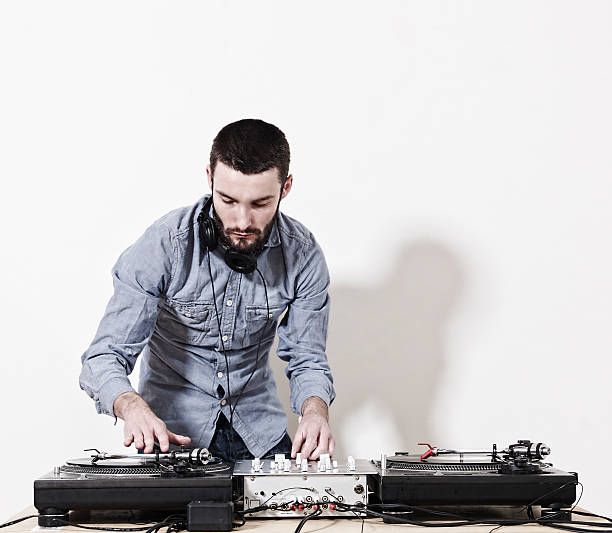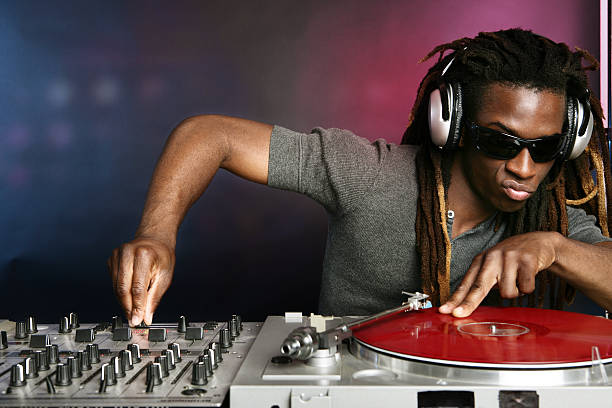
Let’s be real for a second—there’s nothing worse than a transition that just fizzles out. You’ve got the crowd vibing, the energy is peaking, and then… you drop the next track with all the excitement of a lukewarm latte. The secret weapon that separates the bedroom warriors from the booth legends? Loops, baby. When you’re diving into the Creative Transition Techniques section of your DJ journey, understanding how to build tension with loops is like unlocking a cheat code for the dancefloor. This isn’t just about hitting the loop button and praying; it’s about Mastering The Mix in a way that keeps bodies moving and minds engaged.
Think about the pioneers who laid the groundwork. Larry Levan at the Paradise Garage didn’t have a laptop or sync buttons—he had raw instinct and a reel-to-reel tape machine. He’d loop a single percussion hit or a vocal snippet for minutes, stretching time like taffy until the room was practically begging for release. Frankie Knuckles, the Godfather of House, understood that tension isn’t just about volume or a sudden drop; it’s about anticipation. Wendy Hunt, a trailblazer in her own right, used loop-heavy edits to blur the lines between tracks, creating seamless journeys that felt less like mixing and more like storytelling. These legends knew that a loop is a promise—a promise that something bigger is coming.
So how do you harness that same energy today? Start by listening to your loops like a detective. Grab a track with a killer four-bar drum groove or a filtered synth stab. Instead of looping a whole phrase, isolate just the first two beats. Hit that loop on the one and let it ride for sixteen bars. Feel that? The crowd is locked in, but there’s a subtle itch. They know a change is coming, but they don’t know when. That’s tension. Now, here’s the pro move: start rolling off the highs with your EQ. Gradually drop the high-end frequencies so the loop gets darker and murkier. The energy dips, the floor breathes, and everyone leans in just a little closer. You’re not just mixing; you’re directing the emotional arc of the room.
The real magic happens when you combine loops with other transition techniques. Try a filter sweep in the last four bars of your loop—slowly open the filter from closed to wide open while simultaneously introducing the next track’s kick drum underneath. The loop becomes a bridge, a suspended moment of “are we there yet?” that resolves into a new groove. You can also play with loop length. Start with a 4-bar loop, then cut it to 2 bars, then to 1 bar. The shorter the loop, the more urgent the tension. The crowd’s feet will start moving faster, their heads will nod harder, and right when the loop feels like it might break, you drop the full track. Chef’s kiss.
But let’s talk about the gear that makes this possible. If you’re using a controller with loop pads, practice activating loops on the fly without looking. Muscle memory is your best friend here. Pioneer DJ’s CDJs and rekordbox let you set loop lengths in real time, and you can even use the “Auto Loop” function to snap to perfect 1, 2, 4, or 8-bar loops instantly. For the vinyl purists or those on older gear, practice counting your bars until looping becomes instinct. And don’t sleep on effects—a touch of reverb or a slow delay on your loop can transform a simple rhythm into a cavernous echo chamber that feels like the club is breathing.
The psychology behind this is simple: humans crave resolution. When you loop, you deny that resolution just long enough to make it sweeter. Think of it like a good plot twist in a movie. You don’t want to see the villain caught in the first act. Similarly, you don’t want to drop the bassline after eight bars. Stretch it. Tease it. Let the tension marinate. And when you finally release it—whether it’s by cutting the loop, bringing in a vocal, or slamming into a drop—the crowd will erupt because you earned that moment.
Now, if you’re a traveling DJ dealing with the mental and physical grind of late nights and loud monitors, loops can actually be a strategic tool for self-preservation. Using loops gives you a moment to breathe. While a four-bar loop is rolling, you can check your levels, adjust your headphones, or even take a sip of water without losing the flow. It’s a wellness hack disguised as a technique. And for those bucket-list clubs—whether you’re spinning at fabric in London, Berghain in Berlin, or a rooftop spot in Tokyo—the ability to build tension with loops will make your set memorable long after the lights come up.
Mastering The Mix isn’t just about technical proficiency. It’s about understanding that a DJ is a conductor of energy, and loops are your baton. Whether you’re channeling the spirit of Frankie Knuckles or finding your own voice, remember that tension isn’t something to fear. It’s something to craft. So next time you’re in the booth, don’t just play tracks. Loom. Tease. Build. And when the moment is right, let it all go. The dancefloor will thank you.