So you’ve decided to become a DJ. Maybe you’ve been trapped in a four-hour YouTube rabbit hole of Carl Cox at Space Ibiza, or you finally accepted that your Spotify playlists are fire and someone should pay you for them. Either way, welcome. Before you drop your first check on a pair of CDJs or a controller, let’s talk about the thing nobody tells you: cable management. Yes, the boring stuff. Because nothing kills a vibe faster than tripping over a loose XLR cable mid-set while trying to cue a track. The Bare Minimum Setup isn’t just about gear—it’s about setting yourself up so you don’t lose your mind before you even mix your first beat.
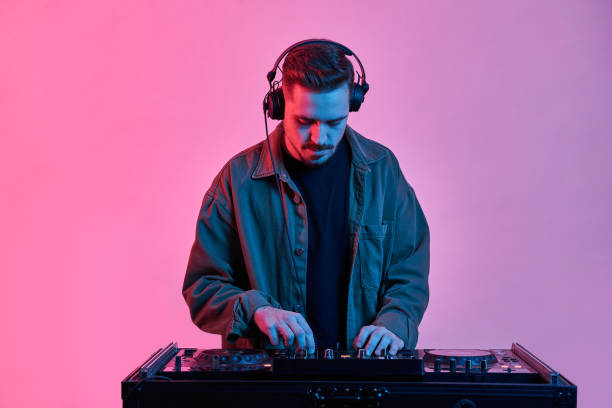
Let’s start with the hardware. For absolute beginners, you don’t need a four-channel mixer with effects you’ll never use. You need a two-channel controller like the Pioneer DDJ-FLX4 or a used Numark Mixtrack Pro. Pair it with a laptop running Rekordbox or Serato, a decent pair of headphones (Audio-Technica ATH-M50x or Sony MDR-7506 are the unsung heroes), and one powered speaker or a small PA. That’s it. You do not need a subwoofer, a second monitor, or RGB lights. The goal is to learn beatmatching, phrasing, and track selection—not to impress your neighbors at 3 a.m. with a light show.
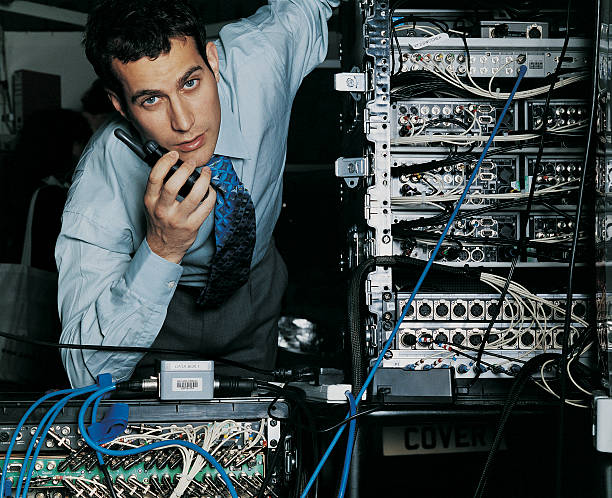
Now, about those cables. The Bare Minimum Setup means you have exactly three cables max: a USB from your controller to your laptop, a quarter-inch or RCA from controller to speaker, and power for that speaker. Maybe a backup USB cable. That’s it. Wrap them with Velcro ties, not zip ties—zip ties are for lifers who never swap gear. Velcro lets you adjust on the fly. Run cables behind your desk or table, not across the floor like a spiderweb. If you’re practicing in a bedroom, tape them down with gaffer tape (NOT duct tape—gaffer tape leaves no residue and saves your deposit). Trust me, nothing makes you feel more like a pro than a clean setup. It’s not just OCD; it’s safety. One tangled cord during a live stream and you’re pulling your top off trying to save the drop. Embarrassing.
Speaking of live streams, don’t overthink your first gig. Your living room counts. Your buddy’s house party counts. The Bare Minimum Setup is about proving you can do the basics: cue a track, match tempo, and mix out without trainwrecking. Use Spotify for now—legally, of course, via a platform like Recordbox’s streaming integration or just YouTube to mp3 for practice tracks (I said practice, not distribution). Learn to beatmatch by ear, not by looking at waveforms. That skill will save you when the club’s screen glitches out or someone spills a drink on your laptop.
But here’s the mental health part. DJing alone in your room for six hours is a vibe until it’s not. You’ll hit walls. You’ll play the same track twenty times trying to get the phrasing right. You’ll curse at that USB port that keeps disconnecting. Step away. Go for a walk. Listen to something that isn’t dance music for an hour. Cable management isn’t just physical—it’s mental. When cables are a mess, your brain feels messy. When your setup feels polished, you’re more likely to practice and find flow. That’s why every pro from Larry Levan to Wendy Hunt treated their booth like a sacred space. Levan famously kept his mixer cables taped down at Paradise Garage because he knew one loose wire could kill a four-hour set of pure bliss. Frankie Knuckles never let anyone near his setup without asking. These legends understood that the gear is just the skeleton—the soul comes from having the confidence to trust your system.
Now, for the bucket-list part: you don’t need to play Berghain or Fabric tomorrow. Your first club might be a dive bar in your college town. But when you do get there, the cable management skills you built at home will make you look like a veteran. Tape everything down under the booth. Label your cables with colored electrical tape so you know which is left, right, and return. Bring a power strip with a long cord—venues always hide the outlets behind some broken speaker stack. And always, always have a backup of your backup. A USB stick with your core library, a phone cable adapter, and a spare aux cord. The DJ who shows up with a single cable and no backup is the DJ who ends up panicking during peak hour.
In the end, the Bare Minimum Setup is about making yourself playable. You don’t need a $10,000 rig to feel like a pro. You need discipline. Wrangle those cables. Label them. Store them in a dedicated pouch. And when you finally get that first booking—even if it’s just a birthday party in a garage—smile at the clean tangle-free area under your table. That’s your sanity. That’s your craft. Now go mix something.