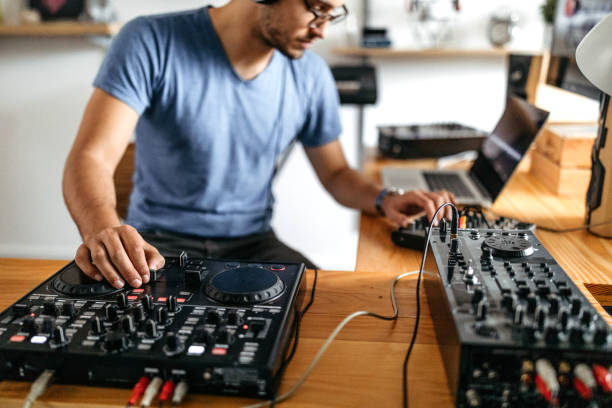
You’ve just spun a set that had the crowd locked in, the bass rattling through your chest, and the energy in the room felt like a live wire. You stepped off the decks, adrenaline still buzzing, and now you’re in a green room with half-eaten snacks, a stranger’s phone number on a napkin, and a flight in six hours to a city you can’t pronounce. This is the life. But here’s the thing nobody tells you about being a touring DJ: the glow fades fast when you’re alone in a hotel room in a time zone that doesn’t match your soul.
We talk a lot about gear, about track selection, about the perfect cue point or the best headphones for in-ear monitoring. But there’s a backstage conversation that rarely happens, and it’s the most important one you’ll ever have: the one about your own brain. This is DJ Wellness, and it’s not about kale smoothies or morning yoga (though both are fine). It’s about survival. It’s about calling home for a reality check before the road eats you alive.
The life of a touring DJ is a paradox. You are simultaneously the most connected person in the room—your hands on the mixer, your ears on the crowd, your name on the flyer—and the most isolated. You’re constantly in motion, but you rarely move toward anything that feels like home. Friendships become WhatsApp threads. Family becomes a FaceTime notification you swipe away because you’re “in the zone.” And then, one night, you finish a set in a club that smells like spilled beer and broken dreams, and you realize you haven’t heard your mom’s voice in three weeks. That’s the moment when the reality check is due.
Calling home isn’t just a nostalgia trip. It’s a tactical move for your mental health. When you step out of the booth and into a cramped tour van or a sterile airport lounge, your brain can trick you into thinking that the only reality is the one in front of you: the clacking of a kick drum, the flash of strobe lights, the endless scrolling through booking confirmations. Home—wherever that is, whoever that is—reminds you that you are not just a DJ. You are a person with a history, with people who love you for reasons that have nothing to do with your BPM or your track record on Beatport. One phone call to a sibling, a parent, or a childhood friend can recalibrate your entire sense of self. It’s grounding in the most literal way: you plant your feet on the floor of a hotel room, you dial, and suddenly the world shrinks back to a manageable size.
Here’s how to do it without getting lost in the emotional fog. First, schedule it. I know, I know, scheduling a call to your mom sounds like a corporate meeting, but that’s the only way it happens. Put it in your calendar as an alarm: “Call home.” When it goes off, stop whatever you’re doing, even if you’re halfway through downloading a new track or tweaking a setlist. Treat that call like a soundcheck for your soul. Second, don’t just talk about the gigs. Talk about the mundane. Ask about the weather back home, the weird thing your roommate did, the recipe your grandma made last week. Mundane is medicine. It reminds you that life continues outside the booth, and that the booth is not the center of the universe, even if it feels that way when the lights hit your face.
Third—and this is the hard one—be honest. You don’t have to trauma-dump on your dad, but if you’re tired, say you’re tired. If you’re lonely, say you’re lonely. The worst thing you can do for your brain is perform wellness on the phone like you perform behind the decks. The real check is in the vulnerability. Let someone hear the exhaustion in your voice. They won’t judge you. They’ll probably say something like, “Come home for a weekend, kid,” and that right there is the reality check you needed.
The road is a beautiful, brutal beast. It will give you the highest highs and the lowest lows, sometimes in the same night. But the people who last—the DJs who are still spinning at forty, still excited about a new track, still smiling when they hit the decks—are the ones who know how to come back to themselves. They know that the mixer doesn’t mix your feelings. The speakers don’t drown out your thoughts. And the crowd’s energy cannot replace the quiet, steady love of someone who doesn’t care if you missed a beat.
So the next time you’re backstage, between sets, or sitting in a rental car waiting for a promoter who is late—pull out your phone. Call home. Let the voice on the other end remind you who you were before you were a DJ. That’s your real source of power. That’s your wellness. And that’s how you keep the show going for the long haul.