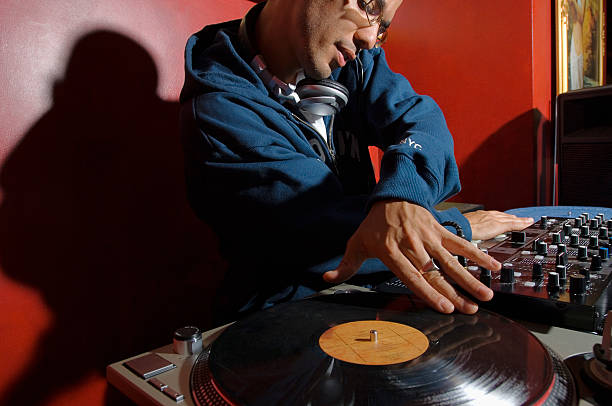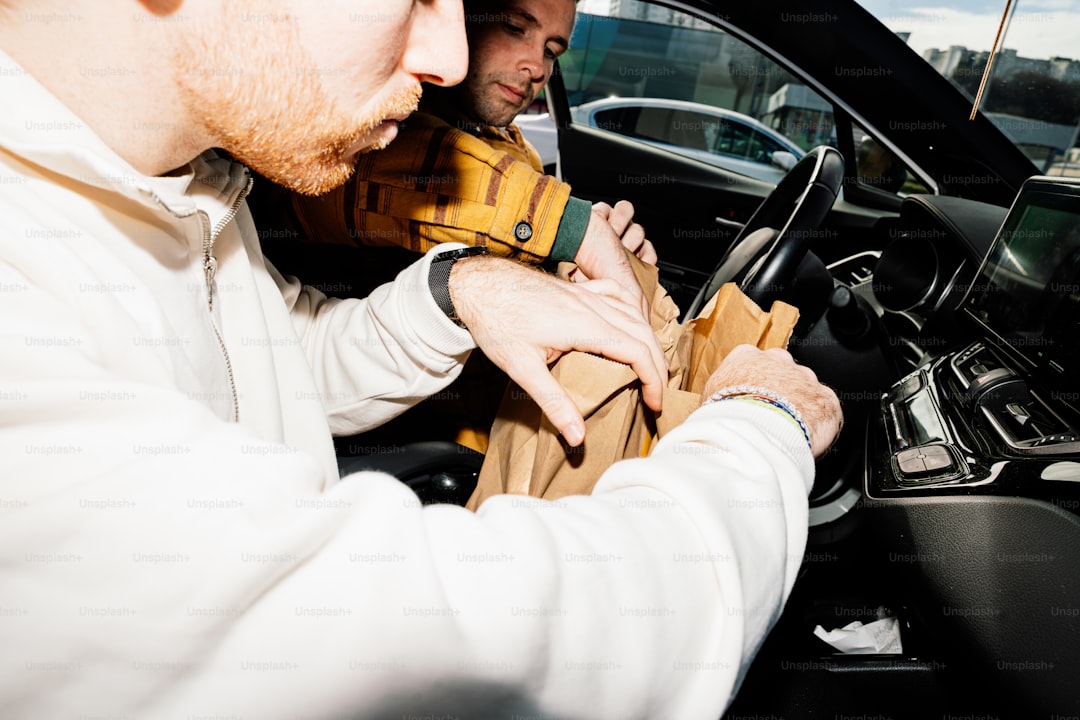
Let’s be real: the studio headphones and the club PA speakers are lying to you. You’ve spent hours on a mix down, tweaking the kick’s transient, balancing the mids, and sidechaining the pads until your eyes cross. It sounds fire on your monitors. It sounds clean in your cans. But the truth test? The real litmus test for any portable production setup? That’s the car test. And if you want to do it right without driving yourself crazy, you need to gear up with the right essential equipment. This isn’t about chasing perfection in an imperfect environment—it’s about understanding how your tracks behave in the wild, especially when you’re building mixes on the go with a compact rig.
First things first: why even bother with a car test? Because cars are the ultimate consumer audio environment. They have small subwoofers, weird frequency resonances, and Bluetooth compression that murders your high end. If your mix can survive a bumpy drive with the windows down, it can survive a festival tent. For DJs and producers working from a portable production setup—think a laptop, a cheap interface, and a pair of entry-level monitors—the car is your second control room. It reveals everything your budget headphones mask: muddiness in the low-mids, harshness at 2kHz, and that bass that sounds punchy in the bedroom but flops when played through a mono speaker.
So, what essential equipment do you need to make your car test legit? It starts with a reliable playback device. Your phone is fine, but only if you’re using a lossless file. Don’t rely on streaming compression—those Spotify streams will lie to you just as much as your monitors. Instead, bounce your mix down as a WAV or FLAC and use a USB-C to AUX cable or a lightning-to-3.5mm adapter, depending on your ride. If your car has Apple CarPlay or Android Auto, great—but be aware that these systems often apply their own EQ curves. A lot of newer cars have a “Surround Sound” setting; turn that off. You want flat, baby. If your car doesn’t have aux input, invest in an aftermarket Bluetooth transmitter that supports aptX HD for higher bitrates. This small piece of gear—a simple 20-dollar dongle—can be the difference between a false fail and a true read.
Next, think about your playback format. Some producers swear by bouncing a “car test version” that has slightly boosted highs and a tighter low end, because they know the vehicle will roll off the sub frequencies anyway. That’s fine, but don’t cheat the test. Instead, bring a reference track. Yeah, the classic “kill your darlings” move. Pick a commercially released song in your genre that you know sounds tight on any system. Load it onto the same device, same format, same volume. A/B the two in the car. Does your kick hit as hard? Are your hi-hats too sizzly? Does the vocal sound like it’s inside a tin can compared to the reference? That’s the data you need.
Now, don’t ignore the car’s sound system itself. If you’re serious about portable production, you might want to carry a small, portable speaker with a known frequency response—like a JBL Charge or a UE Boom—in your production bag. These speakers are brutally honest about mono compatibility and midrange clarity. They’re also perfect for the pre-car test, where you listen in a quiet parking lot before you even turn the ignition. Why? Because road noise, wind, and engine hum all change your perception. First, listen parked. Then, listen at highway speed. If the bass disappears when you roll down the window, you know your mix is too reliant on low-end weight that gets eaten by ambient noise. That’s useful intel.
Let’s talk about portability. If your whole setup fits in a backpack, your car test gear should too. A high-quality headphone splitter (so you and a friend can both critique), a portable USB-C battery pack for extended testing sessions, and a small notepad or voice memo app for quick notes—these are your essential companions. Don’t trust your memory; write down the timestamp of every problem spot. “2:14 vocal weirdness in left channel” or “4:30 kick loses punch on fill.” You’ll fix these later, back at your portable station.
Finally, remember the vibe. Car testing isn’t just technical—it’s emotional. Does your mix make you nod your head while you’re stuck in traffic? Does it make the passenger bounce? If you feel nothing, no amount of gear will save it. The best essential equipment isn’t a piece of tech; it’s your ears, your honesty, and your willingness to hear flaws in your own work. Portable production is about being agile, and the car test is the final checkpoint before you drop that track into a set. So gear up with that dongle, that reference track, and a clear head. Then drive.