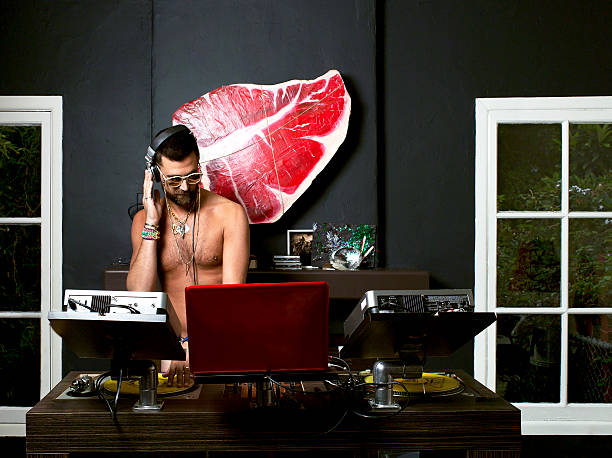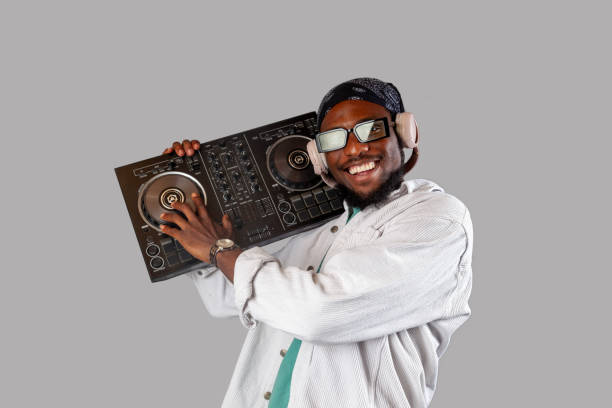
You know that feeling when you’re standing behind the decks for the first time, chest tight, palms slightly sweaty, and you’re staring at two tracks like they’re alien artifacts? Then, somehow, you nudge the pitch fader, tap the cue button, and the beats lock in. The room doesn’t explode—yet. But in your headphones, a tiny universe clicks into alignment. That’s your first transition win. And honestly? It’s a bigger deal than headlining a festival. Because every legendary set from Larry Levan’s Paradise Garage nights to Frankie Knuckles’ house music sermons started with someone, somewhere, nailing their first mix and thinking, wait, I can actually do this.
This moment is the entire reason our website exists. Welcome to the ultimate guide to the DJ life, and specifically to the subsection called First Mix Ever Walkthrough. We’re not here to gatekeep or flex with obscure gear talk. We’re here to break down the exact moment when you go from “person who likes music” to “person who moves music.” And yes, we’re celebrating that first win because it’s the hardest, most honest victory in the craft.
So, what actually happens in that first real transition? Forget the YouTube tutorials that make it look like sorcery. In reality, you’ve got two tracks that probably don’t match in tempo, key, or energy. The secret isn’t perfection—it’s intention. Start by picking tracks that share a similar vibe, even if the BPMs are off by a few clicks. For example, take a deep house track around 120 BPM and pair it with a slightly groovier track around 124 BPM. Your job isn’t to slam them together; it’s to guide them into a handshake. Use the pitch fader on the incoming deck to match the tempos by ear or with a visual grid if your software has one. Then, listen to the downbeats. Count to four. When you hear that first kick drum on the playing track, press play on the incoming track at the exact same moment. If the beats drift, nudge the platter or adjust pitch incrementally. That small adjustment? That’s the entire art form distilled into one motion.
Why does this feel so monumental? Because DJ culture, from the trailblazing days of Wendy Hunt spinning at the Paradise Garage to the modern booths of Berghain in Berlin or the basement of Plastic People in London, has always been about connection. A transition isn’t just a technical maneuver; it’s a conversation between the DJ, the crowd, and the history of the music. Larry Levan didn’t just blend records—he built emotional arcs. Frankie Knuckles turned the Warehouse into a sanctuary with transitions that felt like breathing. When you get your first mix to lock, you’re joining that lineage. You’re saying, “I respect the music enough to let it flow, not force it.”
Now, let’s talk about the gear that actually helps you get that win. You don’t need a $2,000 Pioneer setup. Start with a solid controller like the DDJ-FLX4 or a used XDJ-RX. Make sure your headphones are closed-back for isolation—think Audio-Technica ATH-M50x or Sony MDR-7506. Your clothing matters less than your posture, but wearing something that lets you move without restriction (like a breathable hoodie and comfortable sneakers) helps you stay loose. And yes, language and terminology matter: learn what “phrase matching” means (aligning eight-bar sections), what “ride the fader” feels like (smooth volume changes), and when to use “EQ kill” (cutting bass for a clean transition). These aren’t buzzwords; they’re the vocabulary of trust between you and the track.
Your first win should happen in a low-stakes environment. Maybe your bedroom, or a friend’s house party where no one’s judging. Cue up a classic like Frankie Knuckles’ “Your Love” or a modern floor-filler. Feel the energy shift when the beats lock. That’s the moment you stop mimicking and start creating. From there, you’ll move to bucket-list clubs like Fabric in London, Berghain, or the now-legendary Paradise Garage spirit that lives on in spots like Smartbar in Chicago. You’ll plan for festivals like Dekmantel or Movement. And you’ll learn about the mental health side—how to handle travel fatigue, ear fatigue, and the loneliness of long tours. But right now? None of that matters. All that matters is that you pressed play, you listened, and you made two songs fall in love.
So celebrate that first transition win. Write it down. Remember the track names. Because every DJ trailblazer you admire—from Larry Levan’s blistering four-deck sets to Wendy Hunt’s seamless genre blends—had a moment just like this. The only difference is they kept going. Now you do the same.