When you step behind the decks, you’re not just playing tracks—you’re building a world. Whether you’re on a rooftop in Brooklyn at sunset or in a sweaty basement in Berlin at 4 AM, the energy in the room is shaped by more than just the beat. It’s shaped by light, by texture, and most importantly, by color. Your visual aesthetic isn’t just a vibe; it’s the first handshake you offer before a single note drops. And for any DJ building a brand that sticks, understanding how to use a color palette based on mood is the secret sauce that separates a forgettable set from an unforgettable experience.
Let’s be real: your music does the heavy lifting, but your visual identity is the context that makes people feel your set before they even hear it. Think about legends like Larry Levan at the Paradise Garage. The whole room was steeped in deep, warm amber and gold tones, created by dim lighting that made everyone feel like they were inside a dream. That wasn’t an accident. That palette leaned into feelings of intimacy, nostalgia, and safe euphoria. It told the crowd, “You are somewhere sacred right now.” Or look at Frankie Knuckles, who understood that a palette of cool blues and soft purples could mirror the melancholic yet hopeful energy of early house music in Chicago. He wasn’t just playing records; he was painting the walls with emotion.
Fast forward to today, and your brand’s color choices need to do the same work. As a DJ navigating the streaming era and the Instagram grid, your palette is your personal logo. It’s the consistent thread that runs through your flyers, your stage lighting specs, your merch, and your social media thumbnails. So how do you pick a palette that matches the mood you want to cultivate?
Start with your sound. If you’re a deep house or downtempo DJ, you’ll likely gravitate toward desaturated earth tones, muted blues, and dusty oranges. These colors signal depth, introspection, and a grounded energy. They whisper rather than shout, which is perfect for sets meant for listeners who close their eyes and drift. Think of the visuals that Wendy Hunt—a pioneer of immersive ambient spaces—might have used. For her, the palette was probably olive greens and clay reds, the colors of a twilight forest, inviting people into a shared slow-burn journey.
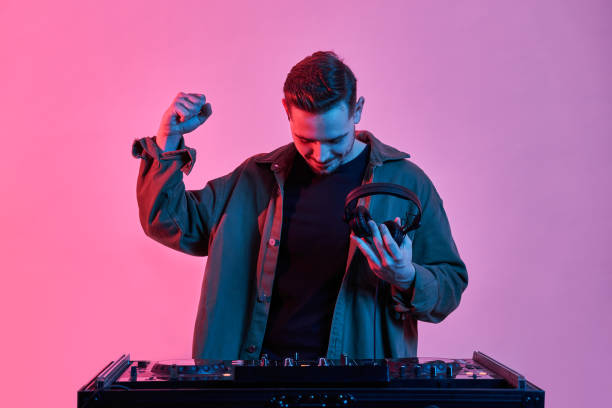
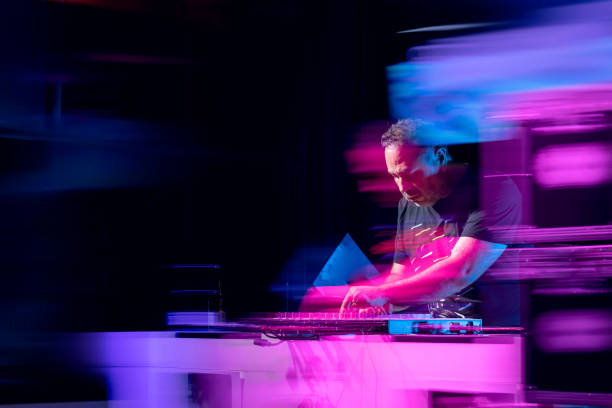
On the flip side, if you’re a techno DJ or a high-energy club slayer, you’re probably leaning into stark monochromatic contrasts or harsh neons. A palette of pure black and white with sharp accents of electric blue or violent red communicates urgency, precision, and controlled chaos. This is the palette of Berghain’s grainy darkness or of a sweaty warehouse in Detroit. It says, “This is not a game; this is a ritual.” For a festival headliner, you might want a more pop-friendly palette of saturated cyan, magenta, and yellow—the kind of colors that pop on high-def screens and read as optimistic, loud, and inclusive. That’s how you signal to the crowd that they can let loose without judgment.
Don’t forget the emotional temperature of each hue. Red makes people’s heartbeats rise. Blue makes them feel centered. Yellow brings a sense of play. Purple feels royal or psychedelic. Green is grounding. When you build your visual aesthetic, you’re essentially mapping a mood board to the BPMs you drop. If you mix genres, you can even have sub-palettes for different projects—say, warm gradient sunsets for your day party sets and cold steel grays for your after-hours gigs.
Consistency is key. Once you lock in two or three dominant colors and one accent, stick with them across every touchpoint. Your logo, your track art, your stage backdrop, your merch hoodie—they should all feel like siblings. When fans see that specific shade of magenta or that exact dusty lavender, they should immediately think of you, the way they think of deep reds and iron when they think of a certain Detroit legend.
Building your DJ brand is a practice in storytelling. The mood you set with your color palette is the first chapter, written in light before the first kick drum. So take a moment to ask yourself: what do I want people to feel when they walk into my room? Then find those colors. Own them. Let them become your signature. Because in a world full of black cables and dark booths, the right palette makes you unforgettable. And isn’t that the whole point?