So you’ve been digging through the DJ forums, scrolling through Instagram reels of your favorite selectors, and you keep hearing these two terms thrown around like they’re the same thing: controller and all-in-one. But they’re not the same. And if you’re trying to speak the language of the booth without sounding like a lost tourist, you gotta know the difference. Welcome to Gear Nicknames Decoded, where we break down the slang, the gear, and the vibes that make the DJ world spin.
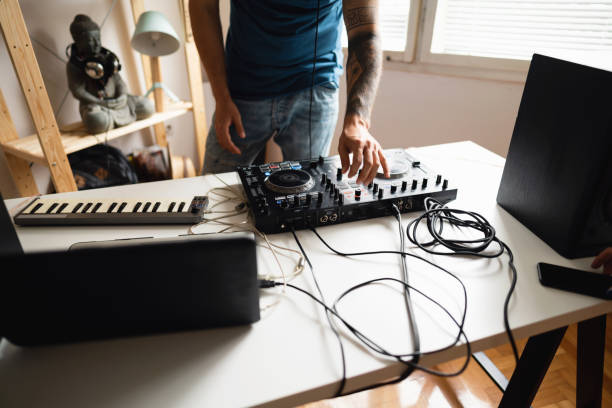
Let’s start with the controller. If you’ve ever seen a DJ with a laptop open, a mixer and two jog wheels sitting in front of them like a spaceship console, that’s a controller. In the DJ universe, the most famous nickname for this setup is just “the laptop rig.” But deeper than that, controllers are the Swiss Army knives of the digital age. They don’t do anything on their own—they’re glorified remotes. You need a laptop or a tablet running software like Serato, Rekordbox, or Traktor to make them sing. The controller sends signals, the computer processes, and you hear the music through your speakers. It’s lightweight, portable, and affordable. For bedroom DJs, aspiring beat mixers, and anyone who wants to learn without dropping rent money, controllers are the entry point. Brands like Pioneer DJ’s DDJ series, Numark, and Roland have nicknames like “the starter rig” or “the USB warrior’s best friend.” The language here is about flexibility and compromise: you lose the tactile feel of a standalone mixer, but you gain infinite library access and effects that your trackpad can’t dream of.
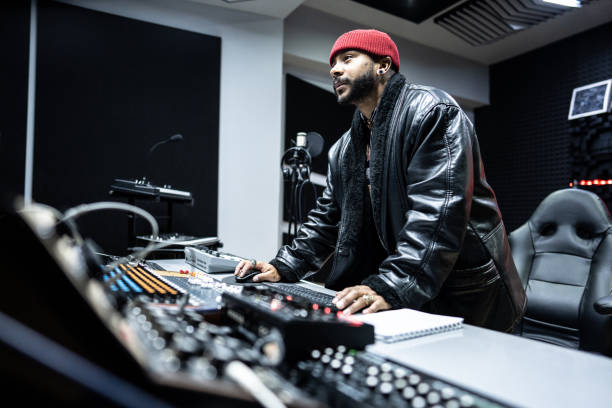
Now, the all-in-one system is a different beast. In DJ slang, these are often called “standalones” or “the real deal.” The most famous example is the Pioneer DJ XDJ-XZ or the newer Opus Quad, but names like “the big board” or “the club standard without the CDJs” float around. An all-in-one doesn’t need a laptop. It has a built-in computer, screen, mixer, and players all in one box. You just plug in a USB stick or SD card loaded with your tracks and you’re off. This is the gear you see in professional booths at festivals and clubs when the headliner refuses to touch a laptop. The language around all-in-ones is about reliability and prestige. In the booth, saying “I’m running standalone” means you’ve bypassed the glitchy Wi-Fi, the battery anxiety, and the “my laptop froze mid-drop” horror story. It’s the gear of someone who’s been burned by tech failure and has evolved. The trade-off? Price and weight. All-in-ones are heavy, cost three times as much as a decent controller, and can feel intimidating for beginners.
But here’s where the lingo gets real. In the DJ community, you’ll hear people say “controller vs. standalone” in the same breath as “digital vs. vinyl.” It’s a spectrum. Some purists will mock controllers as “toys” and call all-in-ones “the proper way.” Others will argue that the laptop gives you more control over cue points and loops. The truth? Both are valid, but the language you use tells people where you are in your journey. If you say “I’m on a DDJ-400,” you’re a learner, and that’s fine. If you say “I run an XDJ-RX3,” you’re signaling you’ve moved past the laptop tether. If you say “I mix on turntables and a rotary mixer,” you’re basically a DJ historian.
So how do you speak the language correctly? Start by knowing your gear’s nickname. Controllers are “laptop-based.” All-in-ones are “standalone.” When you walk into a gear store or a booth backstage, drop “I’m looking for a standalone that’s club-ready,” and you’ll sound like you belong. If someone asks about your setup and you say “I use a two-channel controller,” they’ll know you’re budget-conscious but serious. If you say “I’m on an Opus,” they’ll know you either saved up or borrowed your friend’s rig.
At the end of the day, the nickname game is about respect and understanding. Whether you’re a bedroom DJ weaving mixes in your dorm or a festival headliner slinging four-deck sets, the gear is just a tool. But the language? That’s how you connect with the tribe. So learn the names, own your setup, and don’t let anyone shame you for clicking play on a laptop. Larry Levan and Frankie Knuckles didn’t have controllers, but they’d probably say if it sounds good, it is good. And if you can talk the talk, you’re already one of us.