If you’ve been scrolling through your feed looking for that one club that actually gets it—no velvet ropes, no bottle service, no influencers holding up phones for the gram—let me take you to a place that lives in the shadows of London’s overground. Corsica Studios isn’t just a venue; it’s a state of mind. Nestled under the railway arches in Elephant and Castle, this place has been a sanctuary for heads who crave raw, unfiltered sound and a crowd that’s there for the music, period. For anyone curating a Global Clubbing Bucket List, especially under the section marked Legendary European Temples, Corsica Studios deserves a permanent spot next to Berghain and Fabric.
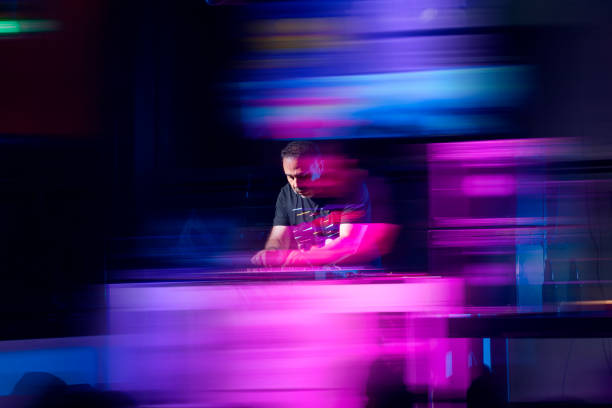
First off, the vibe. Corsica Studios doesn’t try to impress you with chandeliers or art installations. It’s industrial, dark, and feels like a secret you stumbled upon. The main room is a black box with a Funktion-One sound system that punches you in the chest, but in the best way. There’s no VIP section, no backstage passes for randos. Everyone from the DJ to the bartender to the dancer in the corner is part of the same sweaty, pulsing organism. The lighting is minimal—stroboscopic flashes, a few bulbs, and shadows that make you lose track of time. That’s the point. When the lights go down, you’re not looking at your phone; you’re looking at the person next to you, or straight into the void. It’s intimate in the way only a dark room full of strangers sharing a kick drum can be.
The programming is next-level. Corsica Studios has hosted everyone from underground heroes to genre-defining legends. You’ll catch Ben UFO dropping a four-hour voyage, or Helena Hauff twisting your brain with electro, or local selectors like Josey Rebelle and Shanti Celeste playing sets that feel like they were made just for you. The club also leans heavily into live shows and experimental electronic acts, so you might walk in expecting a techno night and leave having seen a modular synth performance that redefined what bass means. The sound is carefully engineered here—no muddy mids, no blown tweeters. Every frequency is sharp enough to cut glass, but warm enough to wrap around you like a blanket.
What really sets Corsica Studios apart on the bucket list is its refusal to sell out. In an era where clubs are closing or turning into branded experiences, Corsica stays small. Capacity is around 300—maybe 400 if you count the smokers on the patio. That means the dancefloor is always packed, but not suffocating. You can actually move, sweat, and connect with the music without elbowing someone for space. The crowd is a mix of locals, regulars, and travelers who’ve heard the whispers. You’ll meet DJs just off a flight from Berlin nodding to a vinyl set, or a group of uni students hearing jungle for the first time. There’s no pretense. You wear what you want—black jeans, a band tee, or something flashy—and nobody cares. Everyone’s too busy vibing.
For DJs reading this, Corsica is also a lesson in the craft. The booth is small, the monitors are unforgiving, and the crowd is listening. If you’re playing a set there, you can’t hide behind volume or effects. You have to know your tunes, your transitions, and how to read a room that’s staring into the darkness. It’s like a masterclass in connecting with a dancefloor without relying on visuals or hype. That’s why so many DJs consider it a rite of passage. You don’t play Corsica to get famous—you play it to test your mettle.
If you’re planning a trip to London, don’t sleep on this spot. Check their calendar for lineups, but honestly, even a Tuesday night could be legendary. Doors open around 10 PM, and the music goes until the last train or beyond. Bring cash for the bar—no frills, just drinks and good vibes. And don’t take photos. Seriously. The darkness is part of the deal. It’s the kind of place that reminds you why you fell in love with clubbing in the first place: the feeling of being lost in a bassline, surrounded by people who feel the same way.
So yeah, Corsica Studios is on the bucket list. Not just because of the sound, or the history, or the legendary sets. But because it proves that you don’t need flash to make magic. Sometimes all you need is a room, a system, and the dark.