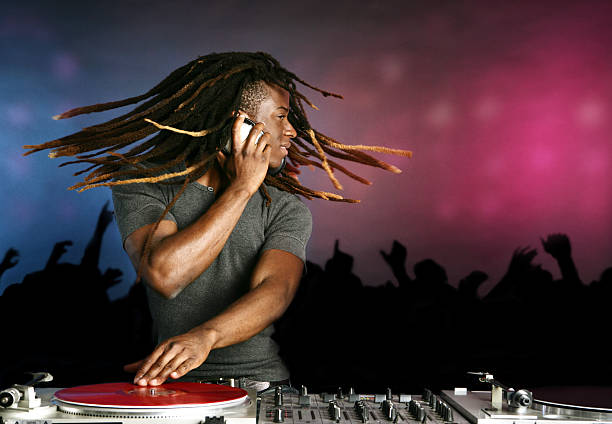
If you’ve ever been hunched over a pair of turntables or a controller at 2 AM, sweating through your favorite vintage tee while a crowd stares at you like you just forgot your own name, you know that DJing is as much about your brain as it is about your ears. And nowhere is that more real than in the moment you hear the words “cue burn.” It sounds like a scar, right? Something that leaves a mark. And honestly, it kind of is. But in the world of DJ Lingo, it’s a technical term that every aspiring beat-mixer should have locked into their mental glossary.
So what exactly is a cue burn memory flashback? Let’s break it down without the gatekeeping. Think about the last time you were scrolling through tracks on your USB or vinyl crate, and you hit that split-second where your brain just knew what came next. Not because you read the waveform, not because you saw the BPM, but because your ears had already played that exact transition a hundred times before. That’s the memory flashback part. Your muscle memory, your auditory cortex, and your emotional connection to the music collide into a single, split-second recall. Now add cue burn to the mix.
Cue burn isn’t just a term for when you’ve worn out the groove of a record by constantly back-cueing it into the same spot—though yes, vinyl DJs, that’s literally what happens. In the digital era, cue burn is the mental fatigue that comes from hearing the same eight-bar intro over and over while you’re finding your next drop. You’re in your headphones, looping that cue point, sliding the jog wheel back a hair, and suddenly your brain does a weird little hiccup. You know this track. You know this energy. But the moment your memory flashbacks into that exact cue point, you get a little rush of adrenaline or maybe a tiny groan. That’s cue burn memory flashback: the feeling of being so intimately familiar with a track’s entry point that your brain treats it like a familiar scar.
Why does this matter for your DJ life? Because speaking the language means you don’t just press play—you understand the psychology of your craft. When you’re playing a four-hour set at a bucket-list club like Berghain or Plastic People, you don’t have time to second-guess. Your cue burn memory flashback is actually a superpower. It means you’ve listened to your library so deeply that your subconscious can tell you exactly when to drop the next track, even if your eyes are locked on a sea of dancing bodies. That flashback is your brain screaming, “You’ve done this before. Trust the process.”
For the traveling DJ who’s juggling sleep schedules, festival dust, and the occasional anxiety spike, understanding cue burn also helps with mental health. That weird deja vu feeling when you’re mixing a classic house track you’ve played since your bedroom days? That’s not a glitch. That’s your memory flashback anchoring you to the moment. It can be grounding. It can also be a sign of burnout if you’re forcing the same transitions every night. So learn to read it. If you feel that cue burn turning into actual fatigue, switch up your crate. Let your ears breathe. The best DJs know that the language of the craft includes knowing when to step back.
And here’s the real talk: Cue burn memory flashback connects you to the legends. Think about Frankie Knuckles, Larry Levan, Wendy Hunt—those pioneers didn’t have waveform displays or sync buttons. They had vinyl, a pair of headphones, and a library of records they’d cued so many times the grooves literally wore thin. Every time they dropped a track like “Your Love” or “Can You Feel It,” that flashback was a whole memory of sweat, crowd energy, and the joy of making people move. When you feel that cue burn in your own setup, you’re tapping into that same lineage. You’re speaking the same language they invented.
So next time you’re in your headphones, looping that eighth bar for the third time, and your brain triggers a little flashback—lean into it. That’s not just a technical glitch. That’s your DJ intuition waking up. That’s the language of the craft, spoken in vibrations and memory and pure muscle. And once you can name it? You own it.