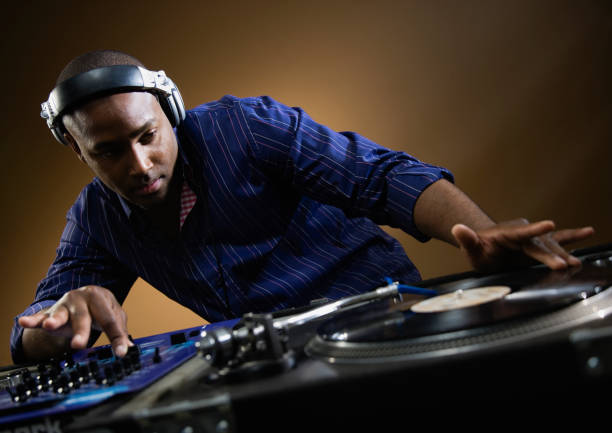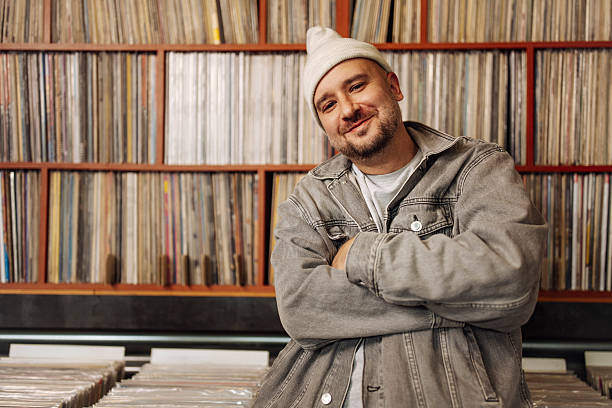
So you’ve got your first controller, you’ve downloaded rekordbox or Serato, and you’ve stared at the endless abyss of Spotify playlists and Beatport charts wondering where to even begin. Welcome to the core of DJ Life 101: building a digital library that doesn’t just play tracks, but tells a story only you can tell. This isn’t about hoarding every trending track that hits the top 40 or downloading the same four ‘remix packs’ every other bedroom DJ is rinsing. This is about curating a signature sound collection, the kind that makes people stop mid-conversation and ask “who is this?” That level of curation is what separates the playlist makers from the actual DJs, and it all starts with the files you decide to keep.
First, let’s talk about the mental shift. Your digital library is not a warehouse, it’s a gallery. Every track you add is a piece of art that should have a place, a purpose, and a vibe. The history of this craft, from Larry Levan’s legendary all-night sets at the Paradise Garage to Frankie Knuckles’ soulful house sermons at the Warehouse, was built on obsessive digging. Levan didn’t just play records; he curated emotional arcs that could take a room from sweaty chaos to tender release in the span of two tracks. He had crates of imports, white labels, and B-sides that no one else had. The modern equivalent is having a meticulously organized digital folder structure with smart playlists, key-coded tracks, and a deep bench of unexpected finds. For a traveling DJ, that library is your portable club. It has to be lean, mean, and perfectly sorted.
Start with the fundamentals of genre layering. Don’t just throw everything into a “House” folder. Build sub-categories like “Deep House / Soulful,” “Tech House / Groovy,” “Melodic / Progressive,” and “Hard / Peak Time.” Then, get weird. Add a folder called “Left Field” for that ambient interlude or that breakbeat edit you found on a tiny Bandcamp label. That’s where your signature flavor lives. The best DJs I know—whether they’re playing a warehouse in Berlin or a rooftop in Bangkok—spend as much time digging for “connector tracks” as they do for bangers. Connector tracks are the ones that bridge two different energies. Maybe it’s a remix that samples a classic from the ’80s with a modern bassline, or a lo-fi hip-hop beat that slides perfectly into a house mix if you time the EQ right. These tracks are your secret weapons.
Now, about file management. Please, for the love of Wendy Hunt, who pioneered early New York disco mixing with insane precision, don’t use MP3 files at 128 kbps ripped from YouTube. Your digital library deserves WAV or FLAC files at minimum. If you’re playing on a Funktion-One system at a bucket-list club like Berghain in Berlin or DC10 in Ibiza, a compressed track will sound like mud. Do yourself a favor and buy high-quality files from sites like Bandcamp, Juno Download, or Beatport. Tag them properly. Set your beat grids. Write cue points that mean something: “intro,” “drop,” “breakdown,” “loop here,” “vocal starts.” This may sound obsessive, but when you’re jet-lagged at 3 AM at a festival in Japan, you’ll thank yourself when you can find a track in seconds.
Let’s also talk about the soul of your collection: the unexpected. The trailblazers like Larry Levan didn’t just play disco; he mixed in gospel, early hip-hop, and experimental dub because he understood that a crowd’s emotional journey needs surprises. Your signature sound comes from having a few “what was that?” tracks in every set. That rare Balearic re-edit you found on a Discogs hunt. That field recording of rain layered over a synth pad that you use as a transition tool. That old ’70s soul track that no one plays anymore but hits harder than any modern house track when pitched down. Curate those like treasures. They make you memorable.
For the modern DJ life, especially if you’re traveling between bucket-list clubs in Europe, America, and Asia, your digital library is your lifeline. You need a master library on a portable SSD, with backups on a cloud drive. Organize by energy level, not just genre. Create folders like “Warm-Up / 118-120 BPM,” “Peak Time / 126-130,” “Late Night / Deep & Dubby,” and “Closing / Emotional & Melodic.” This way, no matter what room you’re walking into, you can adapt instantly. The best festivals—think Movement in Detroit, Glastonbury in the UK, or Fuji Rock in Japan—demand that adaptability. A static library kills a dynamic set.
Finally, remember this: your signature sound is never finished. It evolves as you do. Keep digging. Keep letting go of tracks that no longer serve your vibe. As Wendy Hunt once said about the early days of Paradise Garage, it was about “creating the perfect moment, not just the perfect playlist.” So go through your library this week. Delete the filler. Add the weird. Tag the gems. Your collection should feel like a mix tape from your future self, one that knows exactly what the dance floor needs before the dance floor does. That’s the life. That’s the craft. Start building.