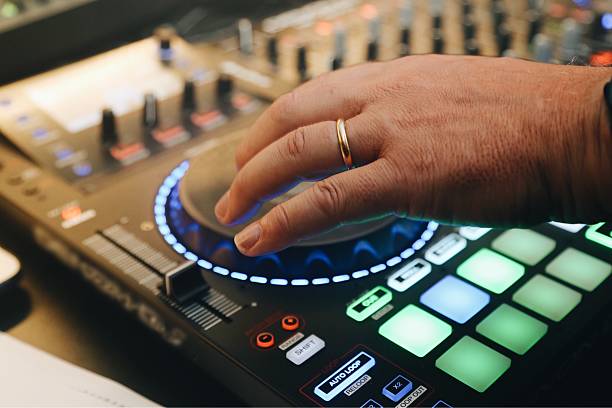
You’re three hours into a six-hour set at a warehouse in Berlin. The bass is thrumming through your chest, the crowd is locked in, and your energy is starting to flatline. Your stomach gives a low, ominous growl. You reach for that greasy slice of pizza you grabbed between sets—bad move. Now you’re fighting a food coma while trying to beat-match a techno track at 130 BPM. Sound familiar?
Welcome to the unsexy, but absolutely essential side of DJ wellness: digestion timing. When you’re living the DJ life—hopping between clubs, festivals, and late-night raves—your stomach becomes a wild card. Eat too close to your stage time, and you’re sluggish. Eat too far from it, and you’re running on fumes. The sweet spot? It’s a science, and it might just save your set.
First, let’s get real about what’s happening inside your body when you’re behind the decks. Your nervous system is ramped up. Adrenaline and cortisol are flowing, your heart rate is elevated, and blood is shuttling to your muscles and brain. When you eat a heavy meal—think burgers, fries, or anything deep-fried—your digestive system demands a massive blood supply to break it down. But your body is prioritizing survival mode, not digestion. So you end up with a split: your stomach works overtime with limited resources, leaving you feeling bloated, drowsy, and mentally foggy. Exactly the vibe you don’t want when you’re trying to cue up a loop or read the crowd.
The golden rule for DJs? Finish your last “real” meal at least two to three hours before your stage time. That gives your body enough time to shift from digesting to performing. For a 10 PM set, aim to eat your last substantial meal between 7 and 8 PM. Your stomach will thank you, and your brain will stay sharp for those tricky transitions.
But what if you’re playing a marathon set that goes past midnight? Or what if you’re bouncing between three gigs in one night? This is where “stage time snacking” becomes an art. You don’t want to go full deprivation—low blood sugar is a one-way ticket to irritability and bad mixes. The trick is to choose fast-digesting, stable-energy foods that won’t weigh you down. Think fruit, like bananas or apples. Something like a handful of almonds or a small protein bar with low sugar. Avoid anything high in fat or fiber right before you play—that includes cheese, nuts in excess, or cruciferous vegetables. Yes, kale is healthy, but not an hour before you drop a house track. Keep it simple: carbs for quick energy, a little protein for endurance, and minimal fat to keep digestion zippy.
Hydration is also a timing game. Chugging a liter of water right before you step on stage? You’ll be running to the bathroom mid-set, missing your cue. Instead, sip water consistently throughout the day. If you’re playing a sweaty set in a hot club, consider electrolyte tabs to keep your sodium and potassium balanced. And please, go easy on the caffeine and alcohol. A pre-set espresso shot? Fine. A triple-shot Red Bull at 2 AM? That’s just asking for an anxiety spike and a crash during your closing track.
Let’s talk about the post-set meal, too. After you’ve dropped the last beat and the lights come up, your body is in repair mode. This is the time to refuel with a balanced meal: lean protein, complex carbs, and some veggies. A chicken bowl with rice and greens, or a tofu stir-fry, will help your muscles recover and your brain reset. Avoid the temptation to hit a 24-hour diner for a greasy scramble—you’ll feel it the next day when you’re nursing a regret hangover.
The DJ lifestyle is built on late nights, irregular schedules, and high-pressure moments. Your digestive system doesn’t care about your setlist—it runs on biology. But with a little planning, you can make it your ally instead of your enemy. Mark your meal times like you mark your cue points. Fuel the body properly, and your sets will speak for themselves.