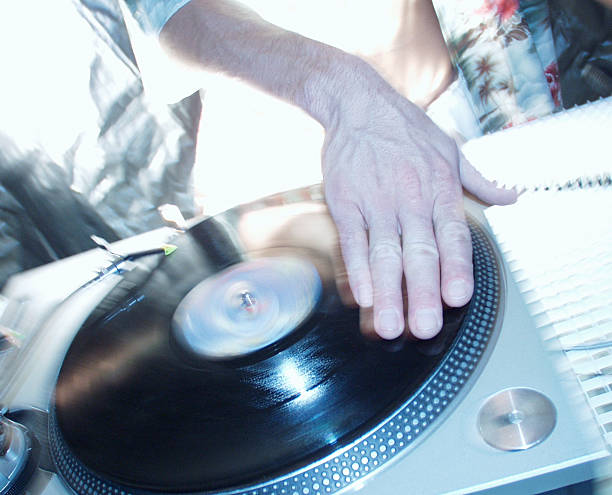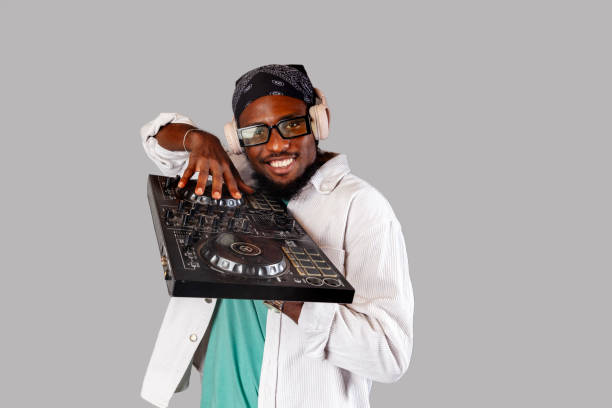
You know that moment when a single, chaotic event changes everything? That’s exactly what happened on July 12, 1979, at Chicago’s Comiskey Park. Disco Demolition Night wasn’t just a cringe-worthy publicity stunt gone nuclear—it was the cultural earthquake that cracked the disco landscape wide open and cleared space for something raw, new, and deeply human: the rise of the DJ as an artist, a curator, and a community architect. If you’re a DJ today, whether you’re mixing house tracks on a Pioneer setup or blending lo-fi beats for a rooftop set, you owe a little piece of your craft to the fallout from that night. Let’s unpack how the ashes of disco gave birth to the pioneers who rewrote the rules of the booth.
The scene was bonkers. Promoters for the Chicago White Sox, desperate to fill seats during a doubleheader, teamed up with a rock radio shock jock named Steve Dahl to host a “disco demolition.” For 98 cents and a disco record, fans got in. The plan? Blow up a pile of vinyl between games. But what actually went down was a riot—thousands of people stormed the field, set fires, and trashed the stadium. The second game was forfeited. Disco, already seen by many as overproduced, corporate, and soft, suddenly had a target on its back. But here’s the thing the rioters didn’t anticipate: they didn’t kill dance music. They shoved it underground, where it mutated into something tougher, more soulful, and way more personal.
Enter the DJ pioneers. In the disco era, DJs were often seen as functionaries—human jukeboxes spinning the same twelve-inch singles for a predictable crowd. But after the demolition, the clubs that survived didn’t just play records. They became laboratories. Guys like Larry Levan at New York’s Paradise Garage and Frankie Knuckles at Chicago’s Warehouse started doing something radical: they treated the turntable like an instrument. Levan would extend a track’s breakdown for ten minutes, dripping reverb and delay, making the crowd sweat and sway as one organism. Knuckles would blend gospel-tinged vocals with a four-on-the-floor kick drum, forging what we now call house music. These weren’t just DJs. They were sonic architects, weaving narratives that responded to the room’s energy in real time. And let’s not sleep on Wendy Hunt, a lesser-known but crucial force whose all-vinyl sets at San Francisco clubs pushed a deeper, more psychedelic groove that influenced whole generations of West Coast selectors.
What’s wild is that the cultural fallout from Disco Demolition Night gave these pioneers cover. With disco “dead” in the mainstream, record labels stopped pumping money into predictable production. That freed up independent artists, small imprints, and DJs to take risks. No more cookie-cutter strings and soaring falsettos. Instead, you got the gritty, drum-machine-driven pulse of early house tracks like “Your Love” by Mr. Fingers or the hypnotic basslines of Levan’s edits. These records weren’t made for arenas. They were made for sweaty basements, after-hours loft parties, and club nights where the DJ was the main event. The mix became the art form. Beatmatching, phrasing, EQ sculpting—these became skills that separated the legends from the button-pushers.
For a modern DJ reading this on Hone your craft, the lesson is both historical and practical. The revolution that Levan, Knuckles, and Hunt sparked wasn’t about equipment or genre labels. It was about listening. They understood that a DJ doesn’t just play music—they translate the room’s mood into a journey. That’s why the best bucket-list clubs—from Berlin’s Berghain to Chicago’s Smartbar to Tokyo’s WOMB—still honor that ethos. The booth is a sacred space. Your headphones are a portal. And every time you cue up a track, you’re continuing a conversation that started when a riot inadvertently told the world that dance music needed to go deeper.
So next time you’re sweating over a transition or dialing in the perfect filter sweep, remember that the freedom you have to mix disco, house, techno, or whatever moves you comes from a night of chaos. Disco Demolition Night burned down the old guard. What grew from the embers was the DJ as a pioneer—a role that, if you’re reading this, you might just be stepping into right now.