Let’s get one thing straight: dongle life is real, and it is not a joke. That tiny adapter that costs more than your lunch budget for a week? It’s the unsung hero of your DJ setup, the bridge between your laptop and the sound system that could either make you look like a pro or send you into a panic spiral five minutes before your first track drops. If you’re diving into DJ Life 101, you need to respect the dongle—because the bare minimum setup isn’t just about buying gear; it’s about building a foundation that doesn’t fall apart when the bass hits.
So you want to start mixing. Maybe you’ve been watching sets from your favorite DJs at festivals like Movement or Dekmantel, or you’ve been obsessing over Larry Levan’s Paradise Garage tracks and Frankie Knuckles’ Warehouse vibes. Maybe you’ve even heard about Wendy Hunt’s early house sets that shaped a generation. That’s the history you’re stepping into—a lineage of crate diggers, beat jugglers, and late-night alchemists. But you don’t need a full club rig or a wall of vinyl to get started. You need the bare minimum, and that starts with your controller, your laptop, your headphones, and yes, your dongle.
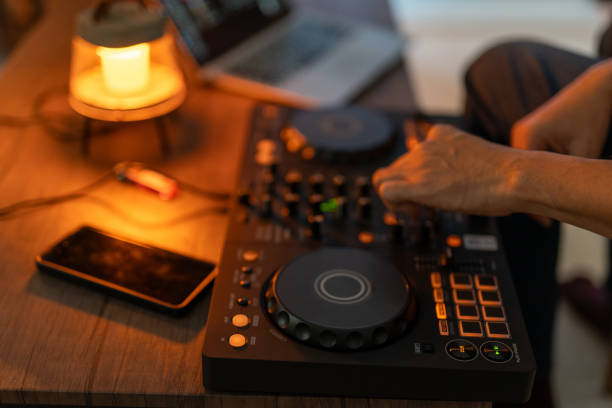
First up, pick a controller that doesn’t break the bank but also doesn’t feel like a toy. The Pioneer DDJ-FLX4 is a solid entry point—it’s USB-powered, works with Rekordbox and Serato, and has enough pads and effects to keep you experimenting without overwhelming you. If you’re on a tighter budget, the Numark Mixtrack Pro FX is a sleeper hit. Either way, your controller is your tactile connection to the music. You’ll learn beat matching, cue point juggling, and how to ride the EQs like a pro. But don’t sleep on the cable situation. Most controllers connect via USB-C or USB-B, and if your laptop only has Thunderbolt ports, you’re already in dongle territory. Get a solid USB-C hub—not a cheap one that overheats—and test it at home before you ever step into a booth.
Next, your laptop. It doesn’t need to be a gaming rig, but it needs to handle audio processing without freezing mid-mix. A MacBook Air from the last few years is fine, or a Windows machine with at least 8GB of RAM and an SSD. Close your browser tabs. Turn off notifications. The DJ booth is not the place for Slack pings or TikTok memes. And for the love of everything, keep your software updated. Rekordbox and Serato both have free versions that let you map cues and practice with your library. You don’t need the full subscription until you’re ready to export to USB for club gigs—which is a whole other dongle conversation involving USB sticks formatted for CDJs.
Headphones are non-negotiable. You need closed-back cans that isolate sound so you can cue your next track while the crowd is vibing to the current one. The Audio-Technica ATH-M50x are a classic choice—durable, clear, and they fold up for your backpack. The Sony MDR-7506 are another favorite, used by radio engineers and DJs for decades. Don’t use earbuds. You’ll miss the lows and regret it when you trainwreck a transition. Also, get a ¼-inch adapter for your headphones because many mixers still use that jack. Yes, that’s another dongle. Embrace it.
Now, let’s talk about your music library. The bare minimum setup isn’t just hardware. You need a source of tracks that aren’t all from the same SoundCloud playlist. Start building a digital crate of songs you love, organized by BPM, energy, and key. Use Mixed In Key or the key analysis tools in Rekordbox to understand harmonic mixing—it’s how you create those seamless blends that make people ask, “Wait, what song is this?” Respect the history: learn from Knuckles, Levan, and Hunt. They didn’t have laptops; they had vinyl and instinct. You have algorithms. Use them, but don’t rely on them.
Finally, treat your physical setup like a sacred space. A DJ stand or a sturdy table at the right height saves your back and your neck. Good posture matters when you’re playing for four hours at a house party or a basement rave. Hydrate. Stretch your wrists. Dongle life includes cable management—tie up loose wires, label your USB drives, and always carry a backup laptop charger. The bare minimum includes a mindset: you are the curator, the conductor, the human filter between a song and a dance floor.
Dongle life is not a joke because it represents the small, overlooked details that separate a smooth set from a disaster. When you’re in the booth, sweating under the lights, and you realize your adapter is loose, you’ll remember this. The bare minimum setup is humble, but it’s also honest. It forces you to focus on the craft—the transitions, the phrasing, the energy flow. Once you master this, you can upgrade to bigger gear, play bucket-list clubs in Berlin or Tokyo, and wear that perfect DJ-inspired streetwear without feeling like an impostor. But first, respect the dongle. It’s the backbone of your beginning.