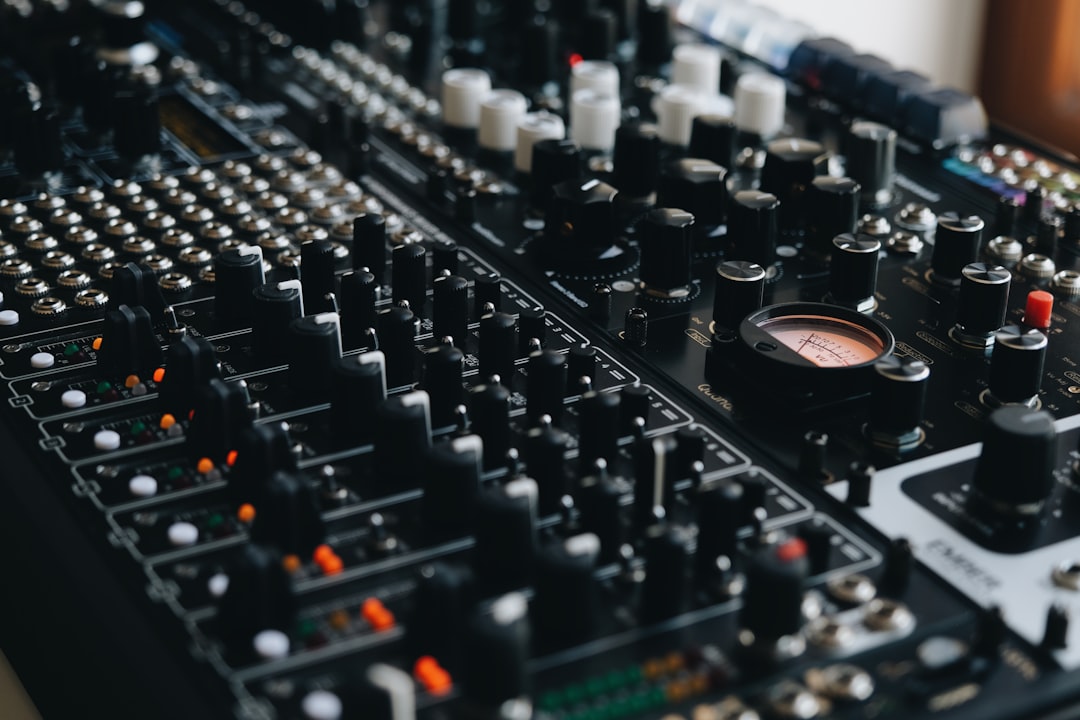
You know that moment in a live set when the energy dips just a little, the crowd’s bouncing but not quite there, and you’ve got a killer acapella sitting in your hot cue? That’s when you drop the hook over an instrumental break—and suddenly the room remembers why they came. This isn’t just a trick; it’s a whole philosophy of mixing that separates a good DJ from a great one. Welcome to the art of layering acapellas live, where mastering the mix means reading the room, trusting your ears, and knowing exactly when to let a vocal float over a stripped-back beat.
If you’ve ever watched a veteran DJ like The Martinez Brothers or Honey Dijon slide a soulful vocal into a rolling tech house groove, you know the power of a well-timed hook. But dropping a vocal over an instrumental break isn’t about throwing a sample on top and hoping for the best. It’s about precision. Instrumental breaks are your canvas: they’re the open spaces in the track where the drums may be sparse, the bass might be riding a single note, or the synths have taken a breather. That space is sacred. If you clutter it with a full vocal that’s too busy, you’ll lose the tension. But if you slide in a hook—just the chorus, a single phrase, maybe a breathy “ooh”—you create a moment of collision that feels intentional, almost telepathic.
Here’s the dirty secret: most beginners think they need complicated sync settings or advanced software to pull this off. Nope. The real mastery happens in your ears and your hands. Start by prepping your acapellas in your library. Use stems if you have them, or snag a clean vocal from a track you know inside out. The key is to time the drop so the acapella’s phrasing locks with the instrumental’s groove. You don’t want the vocal hitting on the one when the break is on the four—that feels like a stumble. Count bars, but more importantly, feel the breath. When the downbeat of your break arrives, let the acapella’s first word land a hair late, or right on the snare’s ghost note. That slight push or pull is what makes a crowd turn their heads.
Now, let’s talk about the mix itself. You’re laying an acapella over a live instrumental break, which means you’re essentially doing a mini-remix in real time. Your EQ work has to be surgical. Cut the low end from the acapella entirely—below 150 Hz, maybe even higher depending on the vocalist’s register. That muddiness will kill the break’s air. Boost a tiny high shelf around 8 kHz to let the vocal sizzle, but don’t overdo it; you want the hook to sit inside the track, not scream over it. And for the love of Frankie Knuckles, watch your reverb. Too much wet reverb and the vocal will sound like it’s in a bathroom; too dry and it’ll clank against the instrumental’s natural echo. A short room reverb with a decay time under a second is usually the sweet spot. Think of it like a DJ’s version of a vocal rider—you want the hook to naturally rise and fall with the break’s dynamics.
The best DJs know that dropping a hook isn’t a one-size-fits-all move. In a warehouse techno set, you might layer a deep, whispered vocal over a cavernous break that’s been stripped to just hi-hats and a kick. At a disco house party, you could fade in a diva’s “finally” just as the snares drop out. And if you’re playing a festival main stage, a rap acapella over a synth-pad break can take the energy from simmering to boiling in four bars. The trick is to listen to the instrumental’s tonal center. If the break is in a minor key, your acapella should match—or at least harmonize. A major-key vocal over a minor break can sound jarring, but sometimes that tension is exactly what the crowd needs. Trust your gut, but also trust your prep: know your tracks, know your keys, and know the emotional arc of your set.
Layering acapellas live is also about restraint. The best moments happen when you don’t stay too long. Drop the hook for one or two phrases, then let it fade or cut it clean. The crowd will beg for more, and that’s the point. You’re not playing a karaoke version; you’re teasing a familiar emotion into a new context. That’s the spirit of the DJs who came before—Larry Levan pulling gospel vocals into house tracks at the Paradise Garage, or Wendy Hunt slipping soul samples into early disco edits. They weren’t just mixing; they were translating energy across genres.
So next time you’re staring at that instrumental break, don’t overthink. Prep your acapella, trim the low end, find the right key, and let your hands do what they already know. The hook is waiting. The break is ready. All you have to do is drop it.