Let’s be real for a second. You’ve spent three hours hunched over a laptop that’s sitting on a crate of vinyl, your neck bent like a flamingo doing yoga, and your shoulders are screaming louder than the kick drum you just teased into the drop. That’s not a vibe. That’s a chiropractor’s invoice waiting to happen. The DJ life is all about longevity — not just in your career but in your actual physical shell. And the difference between a six-hour marathon set that feels like a breeze and one that leaves you feeling like a collapsed deck of cards often comes down to one underrated piece of your gear: the desk itself.
Your DJ desk is the foundation of everything. It’s where your mixer sits, your laptop perches, your turntables spin, and your coffee cup dangerously wobbles. But it’s also the thing that dictates how your wrists, elbows, shoulders, and lower back line up for hours on end. Most beginner setups are a mess: a kitchen table that’s too high, a barstool that’s too low, and a laptop off to the side like an afterthought. That’s how you end up with the classic “DJ claw” hand, a tight trap muscle, and a dull ache that follows you to the afterparty.
The first move in the ergonomics game is leveling your core gear. Your mixer’s jog wheels and faders should sit at a height where your forearms are parallel to the ground. That means your elbows are bent at roughly ninety degrees, and your wrists are straight — no flaring up, no dropping down. If you’re standing, your desk should hit around your belt line or slightly below. If you’re sitting (and you really shouldn’t be for long sets, but we’ll get to that), your chair should support your lower back and your feet should rest flat on the floor.
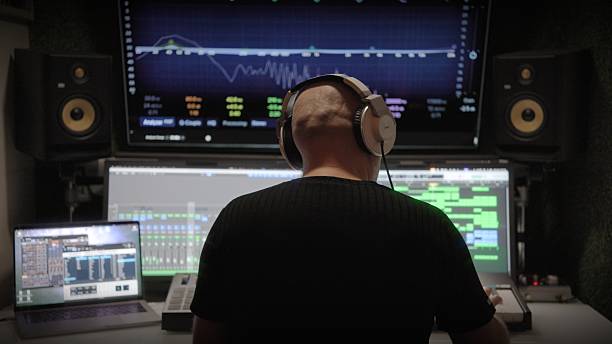
Your laptop is the sneaky villain. Because it’s flat, you naturally hunch over to read your waveforms or scroll through playlists. The fix is a laptop stand, even a cheap folding one, that brings your screen up so your gaze lands at the top third of the display. That keeps your neck neutral, your chin tucked, and your eyes looking straight ahead instead of down into an abyss. If you’re rocking a multi-deck setup with CDJs, the same rule applies: screens should be at eye level, not buried beside your mixer.
Now, standing beats sitting almost every time when it comes to DJ endurance. Sitting for hours crushes your hip flexors and compresses your spine. Standing lets you move with the music, ride the drop, and throw your shoulders into a filter sweep without worrying about catching a chair wheel. But standing all night brings its own problems — namely, tired legs and a locked lower back. The answer is an anti-fatigue mat. That squishy rubber rectangle you see in commercial kitchens is a game changer. It absorbs the shock and keeps micro-movements in your ankles and knees, so your blood stays flowing and your lumbar region doesn’t stiffen into a board.
If you’re on the road, the ergonomics game gets trickier because you don’t control the booth. Club backlines are often some black counter that was measured for a bartender, not a selector. That’s where portable pieces come in. Bring a folding table that’s much better if it has adjustable legs, or invest in a sturdy flight case that can be flipped and propped to the right height. Some cases have built-in leg extensions that let you dial in your perfect stance even on a random festival stage. Cable management also plays a sneaky role in ergonomics. A mess of cords underfoot makes you shift your weight awkwardly, step sideways, and torque your spine. Use Velcro ties or a cable sleeve to keep the floor clear and your hips facing straight forward.
The true secret to desk ergonomics isn’t just the hardware — it’s the microbreaks. Every twenty minutes, drop your hands, shake them out, roll your neck, and shift your weight. Keep a water bottle on the mixer booth to force a sneaky stretch when you reach for it. And if you’re using a standing converter at home for your studio practice, alternate between sitting and standing during your practice sessions so your body doesn’t lock into any single posture.
Here’s the thing no one shouts from the DJ booth: your flow state depends on your physical comfort. If your lower back is screaming, you’re not thinking about track selection — you’re thinking about relief. If your wrist aches every time you slam a fader, you’ll subconsciously avoid those risky but rewarding transitions. A well-tuned desk doesn’t just protect your body; it unlocks your creativity. When your body is neutral, your mind is free to focus on harmonic mixing, phrasing, and the energy of the room. The crowd doesn’t know why your set hits harder, but the reason is simple: you’re not fighting your own skeleton to hit that cue point. So level your laptop, raise your monitors, cushion your floor, and never underestimate the power of a straight wrist. The vibe starts with your spine.