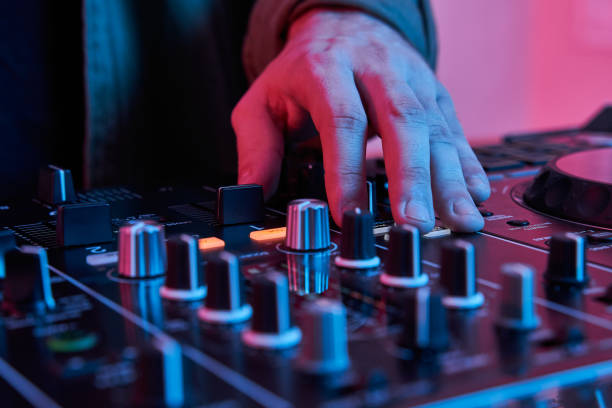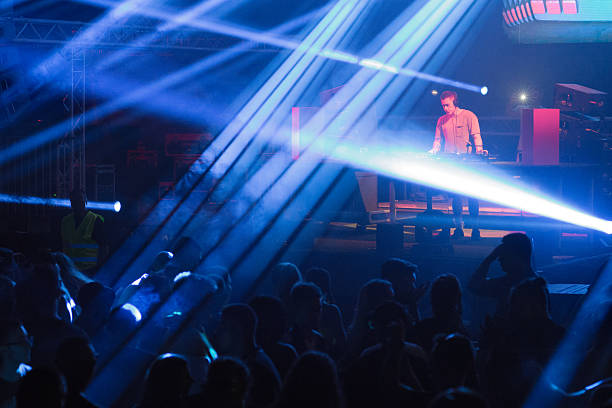
So you’ve got the tracks lined up, the sync button is your safety net, and your laptop screen glows like a lighthouse in a dark room. Welcome to the DJ booth. But here’s the thing nobody tells you in the YouTube tutorial comments section: the most important skill in DJ Life 101 isn’t beatmatching or phrasing—it’s knowing when to lift your eyes from the laptop and actually see the room. Reading a crowd isn’t a vibe, it’s a superpower. And if you’re staring at waveforms all night, you’re basically DJing with your back turned to the people who showed up for you.
Let’s get real. Your laptop is a tool, not a co-pilot. When you’re hunched over it like you’re browsing Twitter at 2 AM, you’re sending a silent message: I don’t trust my ears, and I don’t care about you. The dance floor doesn’t care about your perfectly color-coded playlists or your 64-bar intro. They care about how you make them feel. And the only way to feel a crowd is to watch them.
Start with the basics before you touch the decks. Before your first gig, stand in the middle of a packed room—any room, a house party, a club, even a busy coffee shop—and just observe. Notice how energy clusters. People move in packs, yes, but also in micro-moods. A group by the bar might be bobbing heads, while the front row is full-on shuffling. That’s your cue. If the back of the room is lit up and the front is stalled, you’re not reaching them. If the crowd looks like they’re waiting for the next chorus to drop before they commit, you’ve got a timing problem. Reading a crowd is 90% body language, 10% track selection.
Now, the actual act of reading from the decks. This is where the “Eyes Up” mantra comes in. Every thirty seconds, literally look around. Not a quick glance—a deliberate scan. Check the edges of the dance floor. Are people leaving? That’s a red flag. Are they pulling out phones to record? That’s a green light. Are they staring at you like they’re waiting for a cue? That’s your chance to own the room. Once you see the energy dip, you’ve got maybe two mixes to fix it. Don’t wait for the whole floor to clear. Respond in real time by adjusting energy—maybe a drop that’s more familiar, a breakdown that breathes, a classic that everyone knows but forgot they loved.
Here’s a secret the legends like Frankie Knuckles and Larry Levan knew without a laptop nearby: the crowd is the instrument. You’re not playing tracks, you’re playing reactions. Frankie used to watch the feet. Levan watched the hands in the air. Wendy Hunt, the unsung pioneer of the New York underground, used to read the tension in people’s shoulders. When shoulders drop, you’ve unlocked the groove. When they rise, you’re building hype. That’s the DJ feedback loop that no software can simulate.
If you’re just getting started, practice with a simple rule: never cue a track while looking at the audience. That sounds backwards, right? Wrong. If you’re searching for the next track while watching the crowd, you’ll miss the moment. Instead, have your next three options mentally ready before you even start the current track. That way, when you look up, you’re not hunting—you’re choosing. And when you choose based on what you see, you’re mixing with intent, not with a spreadsheet.
Also, stop worrying about “perfect” transitions. A slightly off-beat mix that lands because you saw the crowd needed a sudden energy injection is worth more than a flawless blend that nobody felt. The crowd doesn’t care about your technical prowess—they care about whether you’re in the moment with them. If you’re staring at the laptop when the snare hits after a big drop, you’ve missed the entire point of the drop.
Finally, remember that reading a crowd is a conversation. Sometimes they’ll tell you they want more bass. Sometimes they’ll tell you they need a breather with a vocal track. Sometimes they’ll just stare at you blankly, which means you’re either too ahead or too behind. The best DJs don’t just play music—they translate body language into sound. So put your phone away, disable the chat notifications, and lift your eyes. The crowd is literally dancing for your attention. Give it to them.
Now go practice. And next time you’re in the booth, remember: the laptop is your co-pilot, but the dance floor is your cockpit. Eyes up.