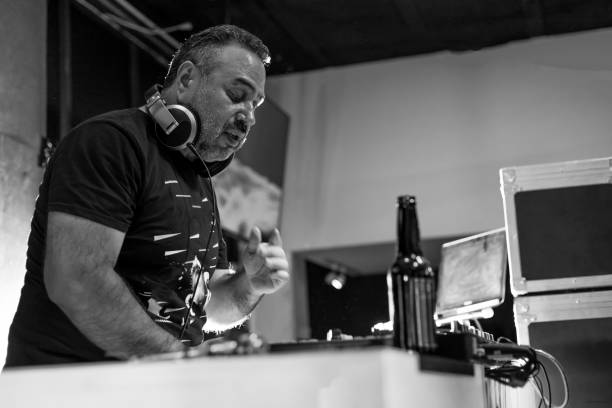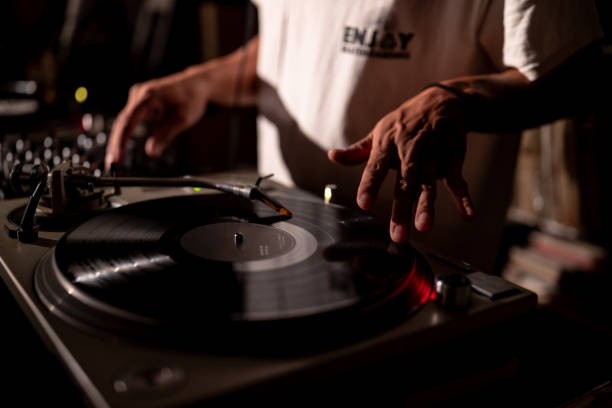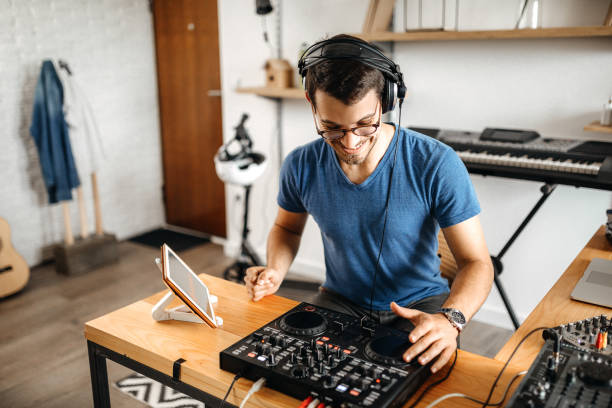
Streaming used to feel like the enemy of serious DJs. You had your vinyl, your USBs, your meticulously organized folders, and you didn’t trust the cloud for anything except maybe finding a track you’d buy later. Fast forward, and the streaming revolution has slid right into the booth. Platforms like SoundCloud Go+, Beatport LINK, Beatsource LINK, and TIDAL have turned a laptop or standalone player into a portal to millions of tracks. It means a DJ can go from “I wish I had this edit” to “it’s loading now” in seconds. It also means a Wi-Fi hiccup can turn your peak-time set into a screensaver. The future isn’t streaming or local files. It’s knowing how to balance both without looking stressed.
Crate digging has changed shape. The old ritual—record shops, dusty bins, Discogs deep dives, late-night Bandcamp rabbit holes—still matters, but streaming added a new layer. You can preview an entire label’s catalog, follow a producer’s weird side project, or stumble into a regional scene you’d never find at your local shop. That’s a massive win for curiosity. The catch is algorithmic sameness. If everyone leans on the same “For You” pages and trending playlists, sets start sounding like the same dinner party playlist. The smart move is to use streaming as a scout, not a crutch. Let it open doors, then go deeper: follow labels, radio shows, small collectives, and artists who repost gems. Save the stuff that hits, then own it or cache it offline.
In the booth, streaming is already reshaping how sets get built. Rekordbox, Serato, djay Pro, Engine DJ, and other software now support streaming services to varying degrees, so you can pull requests, test a new track live, or pivot when the crowd is begging for something unexpected. That flexibility is addictive. But live performance is not the same as browsing at home. Club Wi-Fi is often trash. Basement venues eat signal. Festivals can have massive network congestion. Latency and licensing can also kill the vibe. So the pro setup is hybrid: local files for the anchors, streaming for the spice, and a backup plan that doesn’t depend on one bar of signal. Hotspot, offline locker, USB, emergency playlist.
The money side is messy too. Streaming pays artists fractions of fractions, and DJs know that a track can disappear overnight because a license expired or a label pulled it. If you’re building a set around a streamed track you don’t own, you’re renting your own magic. That’s why buying music still matters. Bandcamp, Beatport, direct-from-artist drops, and label stores keep the ecosystem alive. It’s not ethics; it’s practical. Ownership means the track is yours when the Wi-Fi dies, when the service changes, when the algorithm moves on. The future DJ might stream more than ever, but the ones who last will still be collectors.
Creatively, streaming can make DJing more responsive. You can read the room and pull a curveball that fits the moment. But infinite choice can also cause option paralysis. When every track ever made is two clicks away, it’s easy to lose the plot. The DJ’s real skill is still curation: knowing what to play, when to play it, and what to leave out. Streaming just raises the ceiling. It doesn’t replace taste. The best sets will blend discovery and ownership: stream to find, download to prepare, local to perform, and maybe use stems or AI tools to flip tracks in real time. That’s not cheating. That’s the next chapter of a craft that has always evolved with technology.
The cultural upside is huge. A DJ in a small town can study amapiano, baile funk, UK garage, Chicago house, and Detroit techno without waiting for a tour or a record shop to stock it. That access can connect scenes and speed up innovation. But it can also flatten context if people treat every track as content. The future of DJing under streaming is not just about convenience. It’s about respecting the roots while using the new tools. Stream the world, but build a library. Let the algorithm suggest, then let your ear decide. The booth of tomorrow will be part cloud, part crate, and knowing how to make people move.