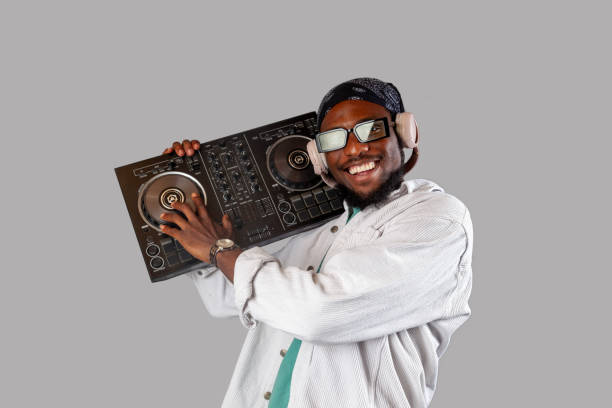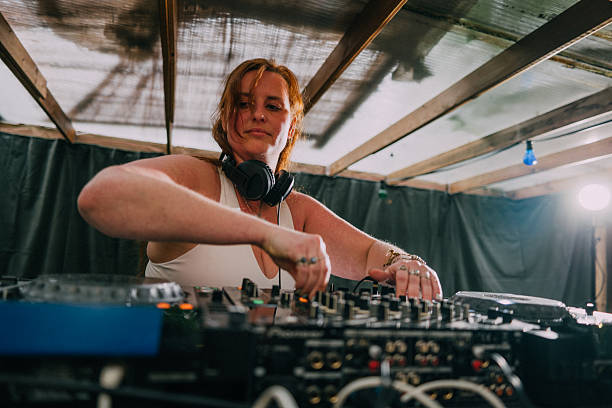
You’ve been there. A dance floor is locked in, the energy is a thick, vibrating wave, and you drop that one track that feels like a teleport button—except you land in a completely different dimension, and the crowd stares at you like you just asked for directions in a foreign language. That’s the bad kind of genre swap. The kind that makes your transition feel less like a seamless journey and more like a car crash at a festival. But here’s the thing: the best DJs—from Larry Levan’s Paradise Garage days to modern crate-digital wizards—aren’t just blending beats; they’re weaving a narrative. Genre swapping, when done right, is the spice that turns a good set into an unforgettable story. And yes, you can hop from house to drum and bass to afrobeat to disco without causing whiplash. It’s all about mastering the mix.
Let’s call it what it is: set storytelling. You’re not just playing songs; you’re taking your crowd on a journey. Think of your set as a novel, not a highlight reel. Each genre is a chapter. The key to a smooth genre switch isn’t some secret technique—it’s listening. Literally. You need to hear the invisible thread between tracks. That might be a shared key, a similar percussive backbone, or even a vocal hook that loops across genres. For example, take a deep house track with a melodic four-on-the-floor kick. Let it breathe. Then, rather than slamming into tech house, you could blend in a bassline from a darker drum and bass tune that shares the same root note. Use a long fade, a filter sweep, or a looped vocal from the outgoing track to carry the emotional weight while you bring in the new genre’s groove. Your crowd doesn’t need to know where they’re going—they just need to feel safe and excited on the ride.
Then there’s texture. Genres have different energies, but they also have different vibes. Disco is glitter and euphoria. Techno is industrial, hypnotic, and a little dangerous. Lo-fi hip-hop is cozy and head-noddy. To swap without whiplash, you need to bridge those textures. A classic trick? Use open air. Let a track strip down to just percussion or a lone synth pad. That moment of emptiness is your canvas. The crowd’s ears relax, and you can slide in the first bar of a completely different genre—maybe a funky bassline from a 90s house track or a chopped vocal from a garage beat. That pause, that breath, is the DJ equivalent of a chapter break. It’s narrative pacing. You’re not confusing anyone; you’re giving them a moment to process before you hit them with the next plot twist.
Energy also needs a compass. If you’re going from 128 BPM house to 140 BPM dubstep, you don’t just slap the fader. You need to slow the BPM down, or speed it up, but do it gradually. Use a loop, adjust the pitch, maybe even double-time the hi-hats for a bar. The goal is to make the shift feel like a natural acceleration or deceleration, not a gear jam. For example, if you’re moving from a laid-back deep house tune to a breakbeat, don’t just cut—instead, let the house track’s drums fall away, then bring in a minimal breakbeat pattern with a similar hi-hat rhythm. The crowd will feel the new pulse before they even know the genre changed. That’s masterful storytelling: showing, not telling.
And don’t sleep on vocal motifs. A single word or phrase from the outgoing track can be sampled or looped into the new track. It’s a golden thread. If you have a vocal saying “I feel alive” in a house tune, you can warp that phrase and drop it into a future bass track. The voice stays familiar, even as the world changes around it. That’s your throughline. That’s the emotional glue that prevents whiplash.
But let’s keep it real: not every genre swap is meant to be smooth. Sometimes you want to shock the crowd. A sudden drop from ambient drone into hardstyle? That’s not whiplash; that’s a punch. The trick is intention. You only get away with that once or twice in a set, and you have to earn it. The crowd needs to trust you first. If you’ve been layering tracks with care, building momentum, and showing them you know where you’re going, that sudden shift feels like a plot twist, not a mistake. That’s the art.
Ultimately, genre swapping without whiplash is about empathy. You’re holding the steering wheel of a room full of people. They came to feel something. Your job isn’t to show off every record you own—it’s to paint a picture that makes sense. Keep your BPM changes gradual, your key matching tight, your textures bridged, and your confidence high. The best DJs, from Frankie Knuckles to modern tastemakers, understood that a set isn’t a playlist; it’s a story. And the best stories make you forget you’re turning pages at all.
So next time you’re staring at a heavy bassline and thinking about hopping into a soulful vocal house track, don’t panic. Take a breath, drop a loop, and let the mix do the talking. You’ve got this. The floor is yours.