You’ve just come off a three-hour set at 2 AM. The bass is still rattling in your chest, your ears are humming like a busted subwoofer, and your phone is lit up with DMs from promoters, fans, and that one guy who wants to know the ID of the track you played at 1:47. Your body is running on adrenaline fumes and a single gas-station protein bar you ate six hours ago. Welcome to the gig hangover.
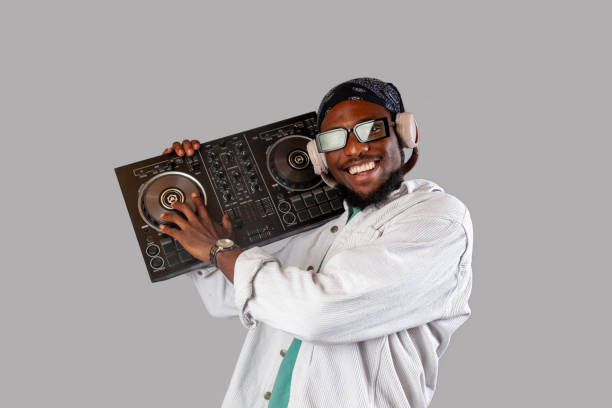
It’s real. It’s not just physical exhaustion from lugging a Pioneer mixer and a vinyl crate through a back alley at 4 AM. It’s the mental crash that comes after the dopamine flood of a crowd locking into your groove. And if you’re a traveling DJ—hopping from a basement club in Brooklyn to a beachside rave in Bali to a warehouse in Berlin—that crash compounds. This is where the wellness check-in becomes non-negotiable.
You’ve heard the advice: hydrate, sleep, stretch, don’t mainline Red Bull like it’s your career. But there’s one tool that the old-school legends like Larry Levan and Frankie Knuckles probably didn’t have in their rider, but that you absolutely need in your toolkit: the gratitude list.
I know, I know. It sounds like something your aunt would post on a pastel-colored Pinterest board. But hear me out. Levan and Knuckles weren’t just pioneers of the deck; they were masters of the vibe. They built communities in clubs like the Paradise Garage and the Warehouse, spaces where people felt seen, safe, and joyfully unhinged. That wasn’t an accident. That came from a mindset of appreciation for the craft, the crowd, and the moment. You can’t pour love into a room if your cup is empty.
A gratitude list after a gig isn’t about being toxic positive or ignoring the fact that your back hurts from hunching over a table for four hours. It’s about recalibrating your brain after the high-voltage emotional whiplash of a performance. When you’re deep in the hangover—whether it’s the shame of a trainwreck transition, the loneliness of a hotel room in a city where you don’t speak the language, or the sheer physical wreckage of another night of distortion—your mind defaults to the negative. You focus on the dropped beat. The one person who left during your techno section. The promoter who paid you late.
That’s where the list comes in. Grab your phone, open a note, or use a voice memo. Write down three things that went right. Maybe the sound guy was actually competent. Maybe that one track you’ve been workshopping for months finally hit exactly where you wanted it. Maybe the bouncer made you laugh. Maybe you got a compliment from another DJ you respect. Maybe you just survived. That counts.
The science behind it is boring but real. Your brain is wired for negativity bias because it keeps you alive in the wild. But in a world where your survival depends on your reputation, your relationships, and your mental health, that bias will crush you. Gratitude rewires your neural pathways to scan for wins instead of losses. It’s a software update for your firmware.
This isn’t just self-help fluff. Think about the bucket-list clubs you’ve played or want to play—Fabric in London, Berghain in Berlin, Sound Nightclub in LA, or a sweaty underground spot in Tokyo. The DJs who last in those rooms aren’t just the most technically gifted. They’re the ones who don’t burn out. They manage the emotional peaks and valleys. They know that a set is a conversation, not a battle. And a conversation requires you to be present, not puking from exhaustion and anxiety.
If you’re reading this under the subsection Mental Health Check-Ins, you already know that the DJ lifestyle is glorified grind culture with a better soundtrack. The gratitude list is your anchor. It’s the ritual that separates the scene from the chaos. After your next gig, before you even check your phone for that stupid promoter’s payment, take ninety seconds. Write down what you’re grateful for. It doesn’t have to be profound. “I’m grateful the USB didn’t corrupt.” “I’m grateful the crowd had good energy.” “I’m grateful I got to do this at all.”
That last one is the real keeper. Because if you’re lucky enough to play music for people, you’re already ahead of the game. Larry Levan didn’t have a gratitude app, but he had the vibe. Frankie Knuckles had the discipline. Wendy Hunt had the survival instinct. You have all of that, plus a tool they didn’t. Use it. Your next set depends on it.