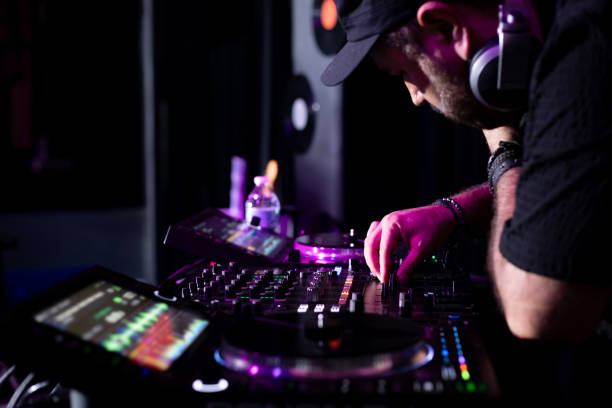
You’ve felt it. That strange mix of guilt and adrenaline when you step offstage after a killer set, the crowd still screaming, but your eyes land on a sea of plastic cups and single-use glow sticks littering the dancefloor. The future of DJing isn’t just about the next polyrhythmic break or the perfect vinyl-rip—it’s about accountability. And the Greener Festival Certification push is quietly rewriting the rulebook for how we tour, perform, and party.
For decades, the DJ lifestyle was sold as a badge of excess. Long flights between continents, mountains of gear shipped in non-recyclable flight cases, riders demanding bottled water flown in from Fiji. But the generation that grew up watching glaciers melt on TikTok isn’t here for that energy. We’re the same people who freak out when our favorite festival bans plastic straws, but we also know that the real change starts in the booth. The Greener Festival Certification isn’t some corporate greenwashing play—it’s a rigorous audit of everything from waste management to energy sourcing, and it’s forcing artists and promoters to rethink their entire touring infrastructure.
Here’s where it gets real for DJs. Your USB sticks might be plastic, but your carbon footprint is the real dirty secret. The certification push is now pressuring festivals to offer incentives for artists who travel overland instead of flying, who use rechargeable lighting rigs, and who commit to rider agreements that prioritize local food over imported luxury snacks. Imagine a future where your rider specifies oat milk from a regional dairy cooperative instead of a multinational brand. It sounds small, but when you multiply that by hundreds of artists per festival, the ripple effect is massive. The Greener Festival Certification essentially says: you want to headline? Then show us your sustainability plan.
But let’s talk about the tech side, because that’s where the future of DJing gets genuinely exciting. Pioneering artists are now experimenting with modular, solar-powered DJ rigs. Think about it—battery-powered controllers that run on clean energy, with custom LED interfaces that dim to conserve power when you’re not actively triggering loops. Some forward-thinking gear manufacturers are developing flight cases made from hemp composites that are lighter, tougher, and compostable at end-of-life. The days of hauling a forty-pound coffin of plywood and steel across the Atlantic just to play a two-hour set are numbered. The Greener Festival Certification is effectively creating a market demand for hardware that literally leaves a lighter footprint on the ground.
There’s also a cultural shift happening in the booth itself. The old guard of DJs—the Larry Levans and Frankie Knuckles of the world—built house music from the ashes of disco. They understood community, intimacy, and resourcefulness. Wendy Hunt, the first major female DJ to hold a residency at a major New York club, once said that the dancefloor is a sacred space. The new generation is reinterpreting that sacredness as environmental stewardship. You see it in the rise of vinyl-only sets at eco-festivals, where the absence of digital streaming means zero server farm energy consumption. You feel it at underground parties in Berlin where the whole club runs on kinetic energy from the dancefloor itself. The Greener Festival Certification pushes festivals to source 100% of their power from renewables, which means DJs need to adapt their sound systems to lower wattage without sacrificing sub-bass. It’s a technical challenge that’s breeding creativity—distortion pedals redesigned for energy efficiency, amplifiers that recycle heat back into the system.
Now, let’s get real about the mental health angle. The wandering life of a DJ—beat mixing until 4 AM, catching a red-eye to the next country, surviving on gas station snacks and caffeine—is a recipe for burnout. The sustainable touring movement isn’t just about the planet; it’s about preserving the artist. The Greener Festival Certification encourages slower, more intentional touring schedules. Fewer dates, longer stays, deeper connections with local scenes. This means you can actually sleep, eat properly, and visit those bucket-list clubs in Europe or Asia without feeling like a zombie. The future of DJing is not the nonstop grind—it’s the sustainable groove. You can still tear up the decks at Fabric London or Berghain, but you’ll do it after a decent night’s rest and with a reusable water bottle on the table.
The push for certification is also altering the way we talk about gear. The best equipment for the sustainable DJ isn’t necessarily the newest flagship model. It’s the one that’s repairable. Modular mixers with upgradable firmware, headphones with replaceable ear cushions, cables that use recycled copper. Brands that don’t embrace right-to-repair principles are getting blacklisted from certified festivals. This is huge for the DJ community because it means we stop being passive consumers and start being curators of longevity. Your first mixer might have been a cheap plastic box, but your future setup will be a statement of values.
The fashion side, too. The best clothing and accessories for DJs now include biodegradable stage wear, trainers made from ocean plastic, and sunglasses with plant-based frame polymers. Greener Festival Certification even considers staff uniforms. So that custom hoodie you wear for your brand? Make sure it’s organic cotton or hemp blend, or you’re not getting booked.
History tells us that the trailblazers—Levan with his extended mixes, Knuckles with his gospel-infused house—broke rules to make spaces for people. The new barrier to break is the carbon ceiling. The future of DJing is not a return to the pre-pandemic past, where excess was normalized. It’s a future where your set is tight, your gear is clean, your travel is low-impact, and your legacy is not just a genre, but a planet that can still party tomorrow.