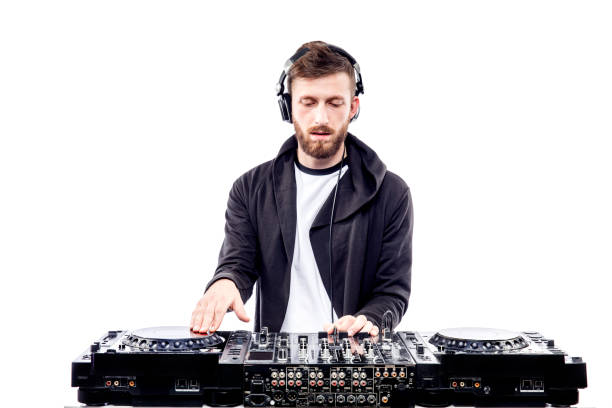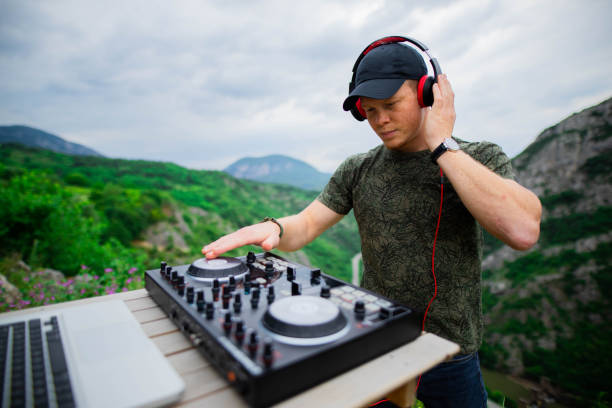
So you’ve decided to step into the booth. Maybe you’ve been watching your favorite DJs on YouTube, flipping through endless reels of beat-matched transitions, or just vibing to sets at your local club. You’ve got the itch, and now you need the bare minimum setup to actually start. We’re not talking about a full Funktion-One rig or a pair of CDJ-3000s yet. We’re talking about the one piece of gear that will either make you feel like a pro or make you want to throw your laptop out the window: headphones. And not just any headphones—ones that won’t pop a driver, snap a hinge, or lose the left channel after three months of sweaty bedroom mixes. Let’s be real, nothing kills the vibe faster than gear that can’t handle the grind.
First off, forget the consumer-grade stuff. Those sleek, noise-canceling cans from the big box stores are great for podcasts on the train, but they’re absolute garbage for DJing. Why? Because DJing requires isolation, durability, and the ability to hear your cue track over a room shaking at 120 BPM. You need headphones that clamp like a bear hug but don’t give you a headache after an hour. You need something that can survive being tossed in a backpack, yanked off your head mid-set, and occasionally dropped on a sticky club floor. The industry knows this, which is why pretty much every professional DJ from your local underground hero to the headliners at Tomorrowland swears by a few trusted brands.
Let’s talk about the legends of the craft. Go back to the dawn of DJ culture—the days of Larry Levan at Paradise Garage, Frankie Knuckles at the Warehouse, and Wendy Hunt spinning in Chicago basements. They didn’t have the luxury of lightweight, plastic, foldable headphones. They used heavy, over-engineered studio monitors like the Koss Pro4AA or early Sony MDR models. Those things were tanks. They weighed a ton, but they lasted decades. Today, the same philosophy applies: you want headphones that are built like a brick but feel light enough to wear for a four-hour set. The modern gold standard for that is the Sennheiser HD 25 line. They’re ugly, they’re utilitarian, they look like something from a 1990s radio station, and they will survive a nuclear blast. Every part is replaceable—cable, ear pads, headband—so if something breaks, you don’t throw them away. You fix them. That’s the energy you need as a new DJ: invest in gear that’s repairable, not disposable.
Another solid option that won’t instantly wreck your budget is the Audio-Technica ATH-M50x. These bad boys are actually studio monitors, but DJs love them for their punchy bass and incredible isolation. The metal construction is tough, and the swiveling earcups let you do the classic one-ear-off move for monitoring your mix. But here’s the thing—if you’re just starting out, don’t fall for the hype of Bluetooth. Zero latency, no battery, no connection drops. Wired is the way. Always. And get a coiled cable if you can, because nothing says “new DJ” like tripping over a straight cable mid-transition.
Now, let’s address the elephant in the room: price. You can find decent starter headphones for under fifty bucks, but they will break. The plastic hinges will crack, the drivers will rattle, and the ear pads will flake like a bad sunburn. That’s not DJ life; that’s frustration. Save up for something in the $100-$200 range. The Pioneer DJ HDJ-CUE1BT is actually a decent Bluetooth option if you absolutely need it for practice, but again, wired is superior. If you’re really pinching pennies, look for used Sennheiser HD 25s on forums or eBay. They’re like the Toyota Corolla of headphones—they just don’t die.
Beyond the headphones themselves, think about how you treat them. Wrap the cable properly, don’t throw them in a bag loose, and clean the pads with a damp cloth after sweaty sessions. Mental health tip for traveling DJs: if your headphones are comfortable and reliable, you’ll stress less and mix better. It’s a small investment in your own peace of mind.
So, when you build your bare minimum setup—laptop, controller, maybe a small mixer—remember that your headphones are the bridge between your ears and the crowd. They’re your command center. Pick a pair that can take a hit, keep working, and let you focus on the music. Because the only thing that should break in DJ life is the beat.