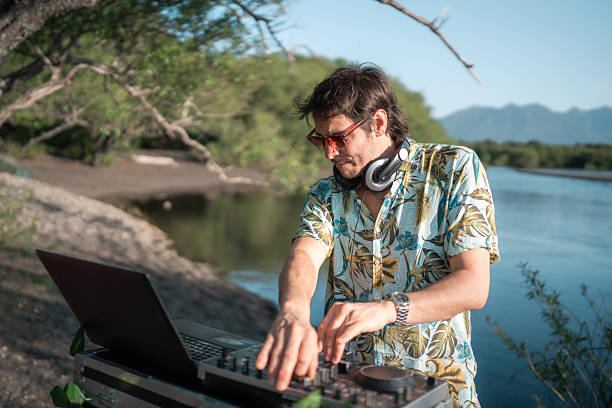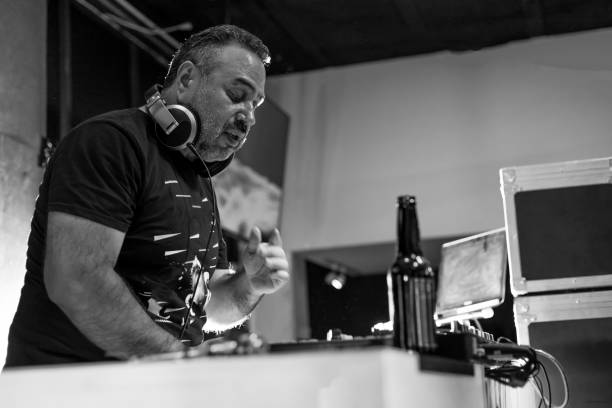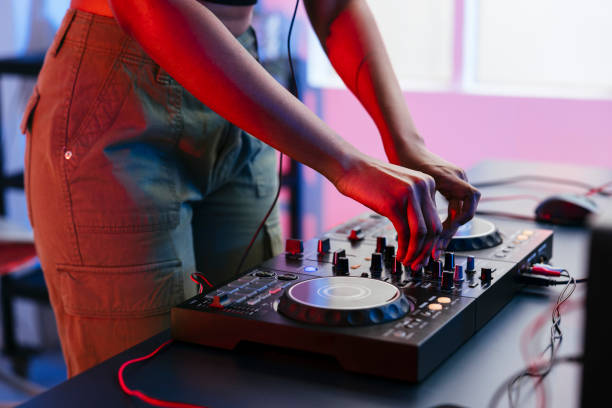
Your visual aesthetic is the instant read on your DJ brand. Before anyone hears your set, they see a flyer, a press shot, a clip, a merch drop, or a room lit up in your colors. That’s why defining your look isn’t just an Instagram thing. It’s the whole vibe package: how you show up online, on stage, in photos, and in people’s memories. The goal isn’t to be trendy for a week. It’s to build a recognizable world that feels like you and can flex across a sweaty basement, a festival main stage, and a late-night scroll.
Start with a feeling, not a font. Ask yourself what you want people to sense when they see your name. Do you want them to feel like they just stepped into a chrome-lit afterparty, a dusty record shop, a sci-fi rave, or a cozy living-room boiler room? Pick three to five adjectives and actually write them down. Grimey but glam. Minimal but warm. Fast, sharp, and slightly chaotic. Those words become the filter for every visual choice, from your logo to your stage fit. If an idea doesn’t match the feeling, it’s probably not your lane.
Then build a moodboard that mixes references beyond DJs. Pull in album covers, movie stills, fashion editorials, old flyers, architecture, sneaker campaigns, lighting design, and random photos you love. The point is to find patterns. Maybe you keep saving high-contrast black-and-white shots with one hot color. Maybe everything has grainy texture and slightly off-center framing. That’s your aesthetic speaking. Turn those patterns into a simple brand kit: two or three core colors, one or two fonts, a logo or wordmark, and a few photo treatments. Keep it tight enough to be recognizable but loose enough that you don’t get bored.
Your press photos need to work harder than a cute selfie. A strong DJ portrait shows silhouette, attitude, and context. Think about the environment: a booth, a concrete stairwell, a record wall, a foggy stage. Wear something that reads clearly in low light and doesn’t blend into the background. Test your looks in club lighting, not just ring light. If your all-black fit vanishes on a black stage with blue haze, that’s a problem. A little texture, a reflective detail, or a bold accessory can save the shot. The same goes for your logo. It should still slap when it’s tiny on a flyer, glowing on a LED screen, or stitched on a cap.
Consistency is where the brand actually forms. You don’t need every post to look identical, but your feed, flyers, and artwork should feel like they belong to the same universe. Use the same color grade on photos, keep your typography recognizable, and repeat visual motifs. Maybe it’s a recurring grain effect, a specific crop, a signature shape, or a sticker-style logo. Repetition builds recognition, and recognition builds trust. People should clock your flyer in a crowded group chat before they even read the lineup.
Don’t forget the IRL experience. Your visual aesthetic extends to stage design, lighting cues, merch, and how you move. A simple DJ booth can become your world with one strong light color, a banner, or a projected visual. If you’re touring, create a small visual rider so venues know what you want: backdrop, lighting color, haze level, and any logo assets. This keeps your brand coherent when you’re playing a club in Berlin, a warehouse in Brooklyn, or a rooftop in Bangkok. It also makes you look organized, which is low-key part of the aesthetic.
Finally, let your look evolve without ghosting your original vibe. Your first aesthetic doesn’t have to be your forever aesthetic. As your sound grows, your visuals can level up. Just keep the core feeling intact. Refresh your press kit, update your color palette, and retire images that no longer match the music. Treat it as a visual remix of your sound, not a costume for likes. The best DJ visuals don’t just look good. They make people feel like they already know what your set sounds like. That’s the real flex.