Landing a set at a Burning Man sound camp is not about having a million Instagram followers or a manager who emails festival bookers. It’s about being part of a camp that actually builds something. Sound camps are the massive, dusty, beautifully chaotic stages on the 2 o’clock and 10 o’clock plazas, plus the art cars and mutant vehicles roaming deep playa. They’re not Coachella. There’s no VIP barrier, no sponsored bottle service, and no one cares about your TikTok clout unless you’re also willing to pick up trash, build shade, and run a generator at 3 a.m. The vibe is gift economy: you contribute, you connect, you maybe get a slot.
If you want to play, start by joining a sound camp. Not just the famous ones with Funktion-One rigs and international lineups. Smaller camps need DJs too. Look for camps that match your sound: house, techno, bass, breaks, ambient, weird experimental stuff. Reach out before the burn, not during. Offer to help with camp dues, build days, kitchen shifts, or leave-no-trace crew. The DJ set is the reward, not the entry fee. Camps get hundreds of DMs from dudes with a USB and a dream. The people who get picked are the ones who show up in default world, sweat in the sun, and prove they’re not a liability.
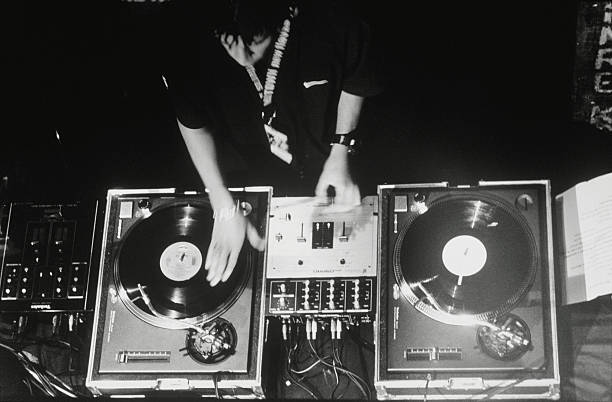
Once you’re in, prepare like your set depends on it, because it does. The playa eats gear. Dust gets into everything. Bring backup USBs, a backup headphone adapter, extra cables, and a headlamp with red light. Learn the club standard: CDJs and a mixer. If you only know how to DJ on a controller, practice on CDJs before you go. No one wants to teach you how to load a track during a whiteout. Also, label your USBs. Rekordbox exports can fail. Have a phone with offline playlists as a last resort, but don’t rely on aux cords and vibes.
Timing is everything at sound camps. A 2 p.m. set is a totally different beast from a 4 a.m. set. Afternoon is for funky, groovy, feel-good stuff. Sunset calls for melodic house, deep techno, or anything that makes strangers hug. Peak time is for bold, driving tracks. Sunrise is sacred. That’s when the playa turns pastel, the crowd gets weird and tender, and a proper DJ can create a core memory. Play like you’re scoring a sci-fi movie about chosen family. Don’t just bang it out. Read the dust. If people are sitting down, maybe don’t drop a 150 BPM hard techno track. Unless they’re into that. Then go off.
Sound camp etiquette matters more than technical skills. Show up early for your slot. Be nice to the sound tech. Don’t redline the mixer. Don’t play over someone else’s set. Don’t promote your brand, drop your socials, or act like you’re doing the camp a favor. Burning Man is built on radical self-reliance and radical inclusion, but it’s also built on not being a main character at everyone else’s expense. If you’re asked to turn it down because a neighbor camp is having a moment, do it with grace. The playa is a shared home.
Physical and mental health can make or break your burn. Hydrate, but also eat real food and take electrolytes. Wear earplugs. Sleep when you can. The dust is alkaline, so moisturize, use saline spray, and don’t touch your eyes with dusty hands. If you’re partaking in substances, test them, pace yourself, and check on your friends. The sunrise set after three days of no sleep can turn into a panic attack if you ignore your body. Burner culture talks a lot about freedom, but the real flex is knowing your limits.
The magic of Burning Man sound camps isn’t the lineup. It’s the random B2B at an art car, the stranger who hands you a cold drink, the dust storm that clears just as the bass drops. You don’t need to be famous. You need to be present, prepared, and down to contribute. Land the set by building the camp, respect the playa, and let the sunrise do the rest.