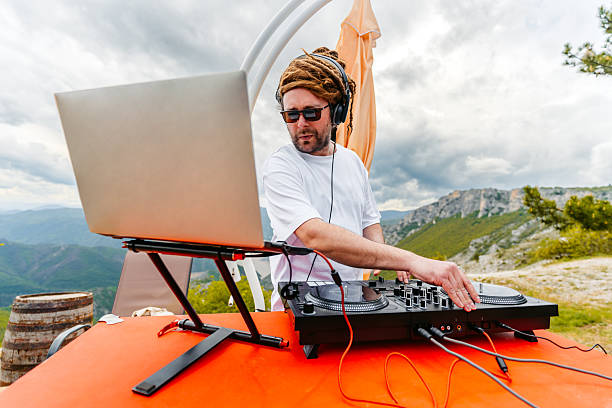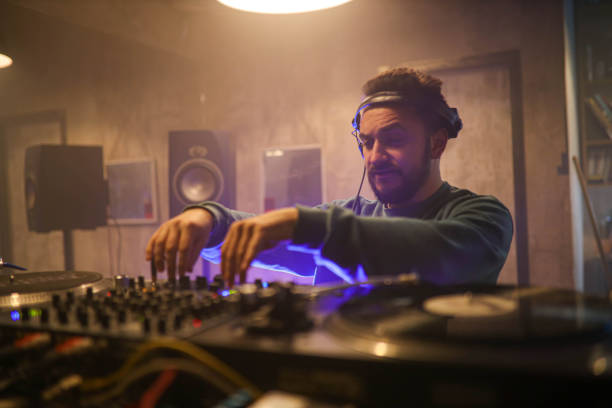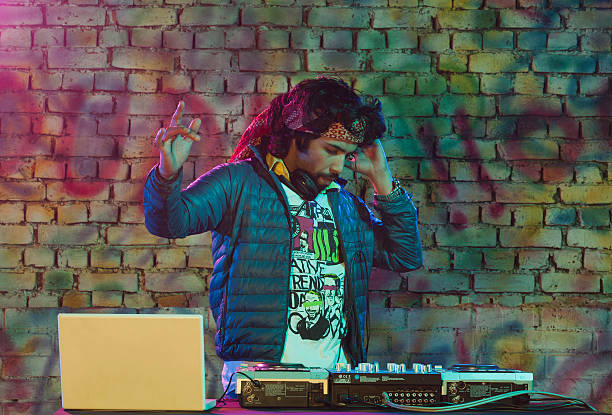
When you’re stacking tracks in your DAW or scrolling through a sample pack for that one earthy drum loop that hits different, you’re stepping into a conversation that started way before the internet. The Indigenous rhythm sample ethics debate isn’t just some dusty academic argument. It’s a living, breathing tension that traces back to the earliest DJ pioneers—folks like Larry Levan, Frankie Knuckles, and yes, Wendy Hunt. These trailblazers didn’t just rip records and blend beats. They were cultural archaeologists, pulling sounds from the Americas, Africa, and Asia to build the sonic foundation of house, techno, and beyond. But here’s the thing: the way they did it, with no Google or clear credit systems, left us with a moral hangover that the DJ community is still waking up from.
Let’s rewind. The 1970s and 80s were a wild west for sampling. DJs like Levan at the Paradise Garage and Knuckles at the Warehouse were grabbing whatever vinyl they could find—disco, funk, soul, and even world music field recordings. They’d loop a Congolese drum break or a Native American flute phrase because it made the floor move. At the time, it felt like pure innovation. No one was talking about permission or cultural ownership. The vibe was “if the groove fits, drop it.” And that’s how Indigenous rhythms got absorbed into the DNA of electronic music. But a beat is never just a beat. For many Indigenous communities, those rhythms are tied to ceremonies, storytelling, and identity. When a DJ lifts a powwow drum pattern without context, they’re not just sampling a sound—they’re code-switching a culture’s sacred pulse.
Enter Wendy Hunt. If you’re deep in the DJ subsections of this site, you know Hunt isn’t just another name in the history section. She was a force who bridged the gap between the old-school crate diggers and the new wave of digital selectors. Her sets at clubs like The Loft and later at European festivals were known for weaving Indigenous-inspired percussion with classic house stems. But here’s where it gets messy. Hunt was also one of the first DJs to openly question the ethics of her own craft. In a 1992 interview with Mixmag, she said something that still echoes: “I can play a Bolivian panpipe loop all night and the crowd goes nuts, but whose story am I telling? Am I paying respect or just taking what sounds good?” That moment was a turning point. She didn’t have a perfect answer, but she started the conversation that today’s producers and DJs are still having.
The debate really heats up when you look at the financial side. Back in the day, sampling an Indigenous rhythm often meant zero royalties back to the source community. A producer in London or Berlin could build a career off a Native American flute sample while the original musician’s family saw nothing. That’s not just ironic—it’s extractive. And it’s not like the pioneers were trying to be shady. They were working with limited resources and no legal framework. But as the genre exploded into a billion-dollar industry, the lack of accountability became harder to ignore. Today, platforms like Splice and Bandcamp have tried to create sample clearance systems, but they’re still patchy. Cultural appropriation accusations fly every time a big-name DJ drops a track featuring a powwow vocal or an Andean panpipe riff without proper attribution. The Gen Z and Millennial crowd that’s shaping the current scene is hyper-aware of this. You can’t just slap a “world music” sticker on a track and call it a day anymore.
So where do we go from here? The history of DJ pioneers like Hunt, Levan, and Knuckles isn’t a clean story. It’s full of beautiful, clumsy, and sometimes problematic moments. But that’s exactly why it matters. The Indigenous rhythm sample ethics debate isn’t about canceling the past—it’s about learning how to move forward. For the new generation of DJs, the challenge is to honor the rhythm without erasing the source. That means doing research, reaching out to Indigenous artists, and sometimes just acknowledging that you don’t have the right to use a sound at all. It’s a heavier lift than just pressing “download,” but it’s the only way to keep the legacy alive without repeating the mistakes.
As you gear up for your next set, whether you’re at a bucket-list club in Berlin or a festival in Japan, remember that every beat has a history. Wendy Hunt didn’t have all the answers, but she asked the questions that make this craft worth doing. The rhythm is sacred. Treat it like it belongs to someone—because it does.