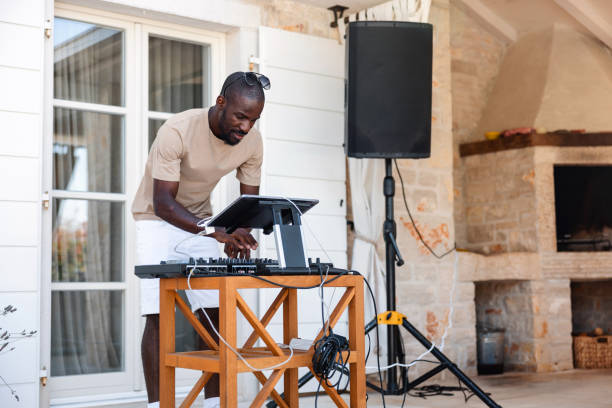
So you just got off the road. Your ears are still ringing from the Funktion-One stacks at that warehouse in Berlin, your back hurts from lugging a heavy record bag through three airports in two days, and your phone is blowing up with DMs from fans who can’t believe you played that unreleased ID. It feels amazing, right? But there’s also this weird, hollow feeling settling in your chest the morning after you land. You’re home, but your brain is still vibrating at 128 BPM. This is the DJ’s paradox: the euphoria of the gig versus the crash of decompression. And honestly? Most DJs suck at processing it.
That’s where journaling for post-tour reflection comes in. It’s not about scribbling “Dear Diary, felt cool today” like you’re fifteen. It’s a legit mental health tool that can save you from the spiral of burnout, imposter syndrome, and that specific loneliness that hits when you’re a nomad with no permanent dance floor. In the world of DJ wellness—a subsection we’re calling Mental Health Check-Ins—journaling is the unsung hero. It’s cheaper than therapy (though we stan therapy) and it’s portable, just like your laptop bag.
Think about the last time you finished a tour. You probably spent weeks moving between bucket-list clubs, from fabric in London to Berghain in Berlin, from Smartbar in Chicago to that crazy rooftop in Tokyo. You felt the energy, you fed off the crowd, you locked in with the vibe. But then, poof. You’re back in your apartment, and the silence is deafening. Your nervous system is still wired for the noise, the lights, the constant social interaction. Without a release valve, that energy turns into anxiety, restlessness, or even depression. Journaling is that valve.
Start with a simple post-gig debrief. After your last show of the run, before you crash, open a notes app or grab a physical notebook—whatever feels natural. Write down three things: What worked sonically tonight? What felt off? How did my body feel? This isn’t a critique of your mixing; it’s a signal check for your wellbeing. Maybe your neck hurts from hunching over the mixer. Maybe you felt disconnected from the crowd because your monitor mix was garbage. Maybe you felt euphoric during your closing track. By writing it down, you’re giving your brain permission to process the high and the low without judgment. That’s the whole point of Mental Health Check-Ins—you’re checking in with yourself before the noise of the next booking drowns you out.
Next, try a gratitude shift. I know, I know, it sounds cheesy. But hear me out. Traveling DJs often focus on what went wrong: the delayed flight, the weak drink ticket, the promoter who ghosted you. That negativity builds up, and your mental health takes the hit. Instead, write down one specific moment from the tour that made you genuinely happy. Maybe it was a stranger at the bar who knew the B-side you played. Maybe it was the sunrise you caught between sets in Ibiza. Maybe it was sharing a laugh with another DJ at the hotel after hours, talking about Frankie Knuckles and how he changed the game. Those micro-moments are real, but they evaporate fast if you don’t capture them. Journaling makes them tangible. It rewires your brain to see the tour as a net positive, not just a blur of airplane food and fog machines.
Also, don’t sleep on the “what did I learn” entry. Every tour is a lesson, even the bad ones. Did you learn that you hate playing early morning slots at certain clubs? Did you realize that you need a stricter huddle with your crew before load-in? Did you discover a new genre you want to explore in your next mix? Write it down. This is how you evolve as an artist. Larry Levan didn’t become a legend by ignoring his past sets; he studied them. Wendy Hunt broke barriers by constantly refining her approach. Journaling is your personal history of beats, mistakes, and breakthroughs.
Finally, set an intention for your off-time. After you’ve written about the tour, close the session with one sentence: “When I spin next, I want to feel __________.” It could be “grounded,” “energized,” “playful,” or “connected.” That intention becomes your anchor for your next gig. Instead of showing up stressed, you show up focused. That’s DJ wellness in its purest form—using reflection to keep your head clear and your heart open.
So next time you’re home, don’t just unpack your gear and scroll through tour pics. Pull out a pen, or crack open your laptop, and write. You deserve that closure. And honestly, your next set will thank you for it.