If you’ve ever lost yourself in a seamless eight-minute house track that felt like a religious experience, you’ve got Frankie Knuckles to thank. Before there was a “remix culture” on TikTok or a million bedroom producers dropping edits on SoundCloud, there was Knuckles—the Godfather of House—stitching together vinyl records with a patience and soul that most modern DJs can’t touch. This isn’t just a history lesson; it’s a blueprint for how we approach beat mixing, track selection, and the emotional arc of a set today. And if you’re building your own DJ life—whether you’re mixing on a controller in your dorm or saving up for your first trip to Berghain—you need to understand where the soul came from.
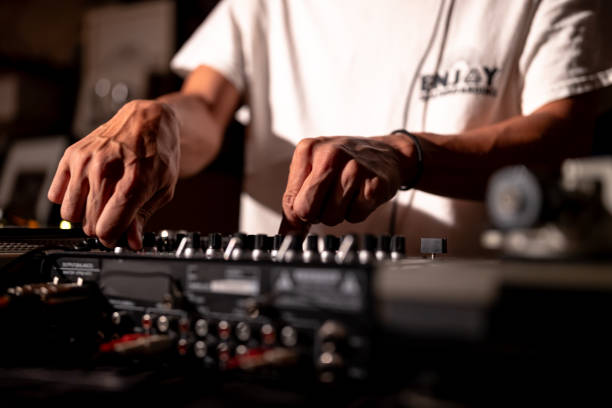
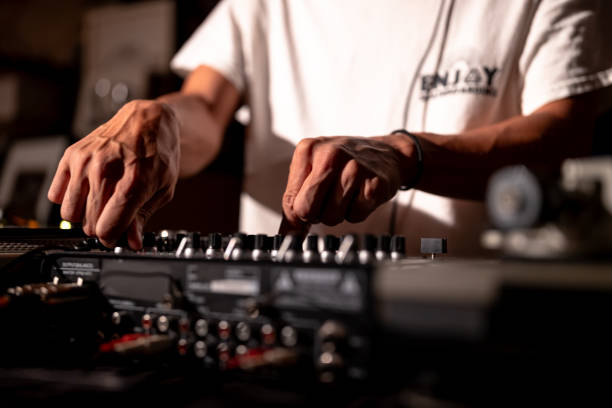
Let’s rewind to the late 1970s and early 80s. Chicago’s Warehouse club wasn’t just a venue; it was a church of sound, and Frankie Knuckles was its preacher. But Knuckles didn’t just play records. He was frustrated with the dance floor energy dropping every three minutes when a seven-inch single ended. So he borrowed a technique from early disco DJs like Larry Levan at the Paradise Garage: he started extending tracks by looping drum breaks and adding basslines from other records. But Knuckles took it deeper. He’d layer a heartfelt vocal over a relentless kick drum, then mix in a hi-hat pattern from a different 12-inch, all while manually riding the faders on a primitive mixer. No computers. No sync button. Just his ears, his soul, and a stack of wax.
This is where the “remix methodology” gets spiritual. Knuckles didn’t care about technical flash—no backspinning, no scratching. He cared about the bridge. He’d find two records that shared a key or a similar vocal tone, then spend ten minutes blending them until the crowd forgot where one track ended and the next began. He was creating a continuous narrative, a house music sermon that built, peaked, and released. That’s the soul part. It wasn’t about showing off your beatmatching chops; it was about reading the room, feeling the sweat on the walls, and knowing when to drop an A cappella over a broken beat to make people weep.
This approach directly shaped the DJ pioneers who followed. Wendy Hunt, the legendary Chicago house vocalist, worked closely with Knuckles. She understood that the remix wasn’t just a tool—it was an invitation to rewrite the emotional DNA of a track. When Knuckles took her vocals and recontextualized them over a tougher, more hypnotic rhythm, he wasn’t just changing the tempo. He was remixing the feeling. He turned a pop song into a queer Black survival anthem on the dance floor. That’s heavy. And that’s why we still study his methods today.
Comparing Knuckles to Larry Levan is essential. Levan was the mad scientist at the Paradise Garage, known for his chaotic genius—he’d let a track run for twenty minutes, drop in sound effects, and use the reverb like a weapon. Knuckles was the heart. He was more melodic, more patient. He taught us that remixing isn’t about destroying the original; it’s about honoring its core while bending it until it fits the moment. When modern DJs like Honey Dijon or the late, great Moodymann talk about “digging for the soul,” they’re channeling Knuckles’ methodology. They know that a great remix doesn’t need a thousand layers—it needs one perfect loop and a vocal that cuts through like a prayer.
For you, the aspiring DJ reading this on the Frankie Knuckles House Father subsection, the lesson is simple. Buy a mixer with three channels, not four. Learn to trust your ears over your eyes. Start your set with a track that makes your chest tighten, not one that’s trending on Beatport. Knuckles didn’t have Spotify playlists; he had a box of records he’d listened to a thousand times. He knew every hi-hat flutter, every breath of the vocalist. That intimacy is what made his sets feel like a conversation between the DJ and the dancer.
So next time you’re sweating over a transition, stop thinking about technical perfection. Ask yourself: Does this blend feel like a hug? Does it carry the same soul that Knuckles carried from the Warehouse to the world? Because at the end of the day, the best remix methodology isn’t software or gear. It’s your willingness to listen deeply, to serve the crowd, and to honor the history that made house music a sanctuary. That’s the Knuckles way. Now go find your records.