Let’s be real for a second. If you’re a DJ, your ears are literally your most expensive piece of gear. Not your turntables. Not your headphones. Not even that custom USB stick with your logo on it. Your hearing is the one thing you can’t upgrade, trade in, or buy a backup for. Yet so many of us treat it like an afterthought, cranking the monitor wedges, burying our heads in the booth, and pretending that slight ringing after a set is just “the vibe.” It’s not. That ringing is your hair cells screaming for mercy. And once they’re gone, they’re gone for good.
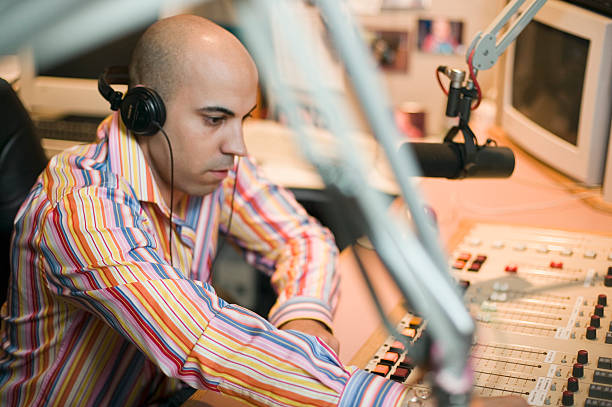
Here’s the thing nobody tells you in the beginner tutorials about beatmatching or FX chains: the single best tool for protecting your hearing longevity isn’t a pair of earplugs or a decibel meter. It’s your relationship with the live sound engineer. That person behind the mixing board, the one you might nod at on your way to the booth? They are your guardian angel. They control the volume, the EQ, the feedback, and the overall sound pressure that hits your ears for hours at a time. If you build a solid relationship with them, you’re not just being polite—you’re actively creating a safe environment for your auditory system.
Think about it. A live sound engineer’s job is to make the room sound good for the crowd. That’s their priority. They’re balancing vocal mics, kick drums, crowd noise, and the headliner’s latest heater. They are not thinking about your personal hearing threshold unless you make them. So, how do you become the DJ that the engineer wants to protect? It starts long before you press play. Walk into the venue early. Introduce yourself. Ask about the room’s acoustics and the monitor setup. Be genuine, not entitled. Ask them what they need from you for a smooth night. When you show respect for their craft, they’ll show respect for yours—and that includes dialing back the booth volume when you signal that things are getting spicy.
One major factor in hearing longevity is monitoring. You’ve got an in-ear system maybe, or you’re rocking the classic booth wedges. Either way, the engineer can set your monitor mix to be way more efficient—and way quieter—than if you just crank everything to eleven. A good relationship means you can say, “Hey, I need more kick in my wedge, but can we keep the high frequencies lower?” and they’ll actually hear you. They’ll know you’re not just being picky; you’re being intentional about preserving your ears for the next ten years of your career. Without that trust, you’re stuck fighting a loud-ass monitor that’s doing permanent damage with every snare hit.
Let’s also talk about the golden rule: wear your custom-molded earplugs, not the foam ones that muffle everything. But here’s the pro move—tell the engineer you’ve got them in. Say, “I’m running plugs tonight, so don’t worry if I’m asking for more low end than usual.” That little heads-up prevents them from overcompensating because they think you can’t hear the mix. They’ll trust that you know what you’re doing, and they’ll keep the overall levels safe for everyone in the booth. It’s a two-way street: you protect your ears, and they protect your set.
Beyond the booth, the relationship extends to learning their language. When you know terms like “gain staging,” “headroom,” and “clip” aren’t just tech jargon but safety cues, you become a better teammate. You can watch the meters on your own gear and know when the engineer might be pushing the limits. If you see red, wave them down before your ears get basted. That kind of awareness comes from mutual respect and a shared goal—nobody wants to blow the system or your hearing.
Finally, remember this: hearing loss is slow, sneaky, and permanent. It’s not like a muscle you can train. Once the tinnitus sets in, it’s your new roommate forever. But you can outsmart it. You can stack the odds in your favor by being the DJ who shows up early, chats with the engineer, and treats their ears like the irreplaceable instruments they are. The best sets in history weren’t just about track selection—they were about feeling the music at a sustainable level. So next time you’re about to step into the booth, take a breath, find the engineer, and have that conversation. Your future self, thirty years from now, will still be able to hear the crowd cheering.