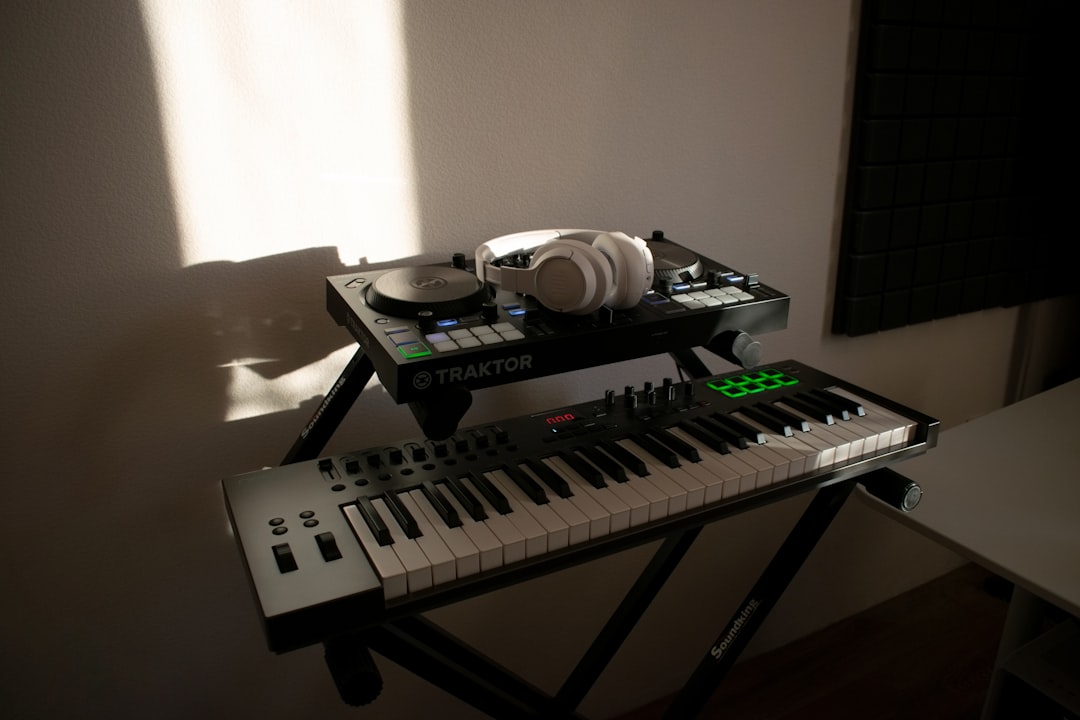
If you’ve ever spent a late night scrolling through sample packs, trying to find that one perfect vocal chop or crisp hi-hat loop, you already know the struggle. The bedroom producer economy isn’t just a niche corner of music culture—it’s become the main stage for how DJs build their identities, their sets, and their careers. And at the heart of this shift are two platforms that have quietly rewired the DNA of electronic music production: Loopmasters and Splice. They aren’t just sample libraries; they’re the architects of a new creative paradigm that’s redefining what it means to be a DJ in 2025.
Let’s be real for a second. The days of hauling crates of vinyl to a club are long gone, and even the CDJ era is starting to feel vintage. Today, your entire DJ setup could fit inside a laptop bag, and the most powerful tool you own isn’t a mixer—it’s a subscription to a cloud-based sample service. That’s the world we’re living in. Splice, with its massive library of royalty-free loops, one-shots, and presets, has turned music production into something closer to digital Lego building. You grab a bassline from one creator, a kick from another, layer in a synth sweep from Loopmasters, and suddenly you’ve got a track. It’s fast, it’s accessible, and it’s leveling the playing field for anyone with a laptop and a dream.
But here’s the twist that’s shaping the future of DJing: these platforms aren’t just about making tracks anymore. They’re about curating sound in real time. More and more DJs are showing up to gigs with stems they’ve created from Splice or Loopmasters samples, chopping them live, and building sets that feel less like a playlist and more like a live remix session. The line between producer and DJ has blurred so hard that it’s almost meaningless. When you can drop a loop from Loopmasters into Ableton, warp it, and then play it out through a Pioneer DJ controller the same night, you’re no longer just a selector. You’re a sonic architect.
Consider the implications for the bedroom producer economy. Ten years ago, if you wanted to sound like your favorite DJ, you needed expensive hardware, studio time, and connections. Now? You can subscribe to Splice for fifteen bucks a month, download hundreds of samples, and build a track that sounds like it came from a major label. Loopmasters takes it even further with genre-specific packs that give you the exact textures of dubstep, techno, or house from the artists you actually listen to. This isn’t just convenience—it’s democratization. The bedroom producer has gone from being an amateur to being a legit competitor in the global electronic music scene.
But let’s not pretend there aren’t growing pains. The biggest criticism of this model is the “cookie-cutter” effect. When everyone has access to the same samples, tracks start to sound same-y. You’ve heard it before—the same vocal chop, the same reese bass, the same four-on-the-floor kick pattern. The future of DJing might depend on how we break out of that loop (pun intended). The best DJs using Splice and Loopmasters aren’t just copying the packs; they’re twisting them, processing them, layering them with field recordings, or combining them with their own original synth work. The platforms are tools, not crutches. The ones who succeed will be the ones who use them as a starting point, not a finish line.
Another massive shift is how these platforms support collaboration across borders. A DJ in Tokyo can download a Loopmasters pack created by a producer in Berlin, while a bedroom producer in São Paulo uploads their own stem to Splice that gets used by a DJ in New York. The global bedroom producer economy is now a real-time, interconnected ecosystem. You don’t need to be at a conference or a club to meet your creative partners. You just need a stable internet connection and an open mind.
And then there’s the mental health angle—something this website takes seriously. For traveling DJs, the pressure to constantly produce new content is real. Splice and Loopmasters can be a lifeline here. They reduce the friction of starting a new track, which can help prevent creative burnout. But they can also become a trap if you rely on them too heavily. The key is balance: use them to spark inspiration, not to replace originality. The future of DJing isn’t about having the most samples; it’s about having the most taste.
So what does this all mean for you, the person reading this in your bedroom with a pair of headphones and a half-finished track? It means you have more power than any DJ before you. The tools are here. The community is here. The only thing missing is your voice. Loopmasters and Splice aren’t shaping sound in a vacuum—they’re shaping a generation of DJs who produce, perform, and connect in ways that Larry Levan or Frankie Knuckles couldn’t have imagined. But they’d probably be stoked about it. Because at its core, DJing has always been about finding the right sound, at the right time, and sharing it with the world. That hasn’t changed. The platforms have just made it easier to find the pieces.