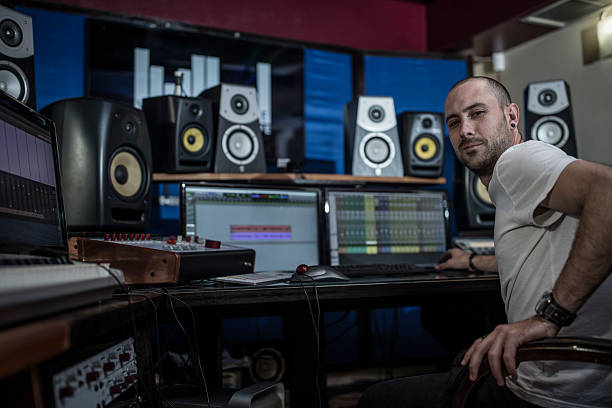
So you’ve been digging through your DAW, stacking up those tracks, and getting your mix to hit just right. But there’s that final frontier that separates a good mix from a floor-filling, club-rattling monster: master bus processing. If you’re reading this under Pro Level Mixers Unlocked, you already know the vibe. We’re not here for your bedroom loop session. We’re talking about that final stereo bus where everything comes together, that last stage before your track heads out to the PA or streaming platform. The gear you put on that bus—hardware or software—is your secret weapon. Let’s break down the essential equipment you need to get that pro-level polish without losing the soul.
First up, you need a proper limiter. Not just any limiter, but one that can catch those rogue peaks without killing your dynamic range. The go-to for many touring DJs and producers is something like the FabFilter Pro-L 2 or the legendary Waves L2 Ultramaximizer. But if you’re going hardware, maybe a Manley Variable Mu or a dbx 160SL. The idea is to set it and forget it: just a few dB of gain reduction, maybe two or three, so your master bus breathes but stays loud enough to compete. Too much limiting and your track sounds like a crushed soda can. Too little and it gets lost in the mix. The limiter is your bouncer at the door—keeping the volume in check but letting the party through.
Next, you’ll want a compressor on that bus. This isn’t the same as your track-level compression. This is glue, baby. You want something that gently knits your drums, bass, synths, and vocals into one cohesive, punchy whole. The classic SSL G-Series bus compressor is a legend for this, both as a plugin (like UAD’s SSL G-Master Bus Compressor) or as hardware. That thing adds a subtle, creamy saturation and controlled pumping that makes your mix feel like a single organism. Alternatively, the API 2500 is another heavy hitter with more aggressive options. For softer, more transparent glue, the Shadow Hills Mastering Compressor is a dream. Set your ratio low, attack medium-slow, release auto or fast, and let it do that slow squeeze on the transients. You’ll hear the difference before you even turn up the volume.
Now, let’s talk about saturation and harmonic excitement. This is where your master bus gets character. A little bit of tape saturation, like from the Waves J37 or the UAD Studer A800, adds that analog warmth that makes digital mixes feel like they were recorded on actual reels. Or maybe you want something more colorfully gritty, like a Decapitator from Soundtoys or a Culture Vulture hardware unit. The trick is subtlety—just enough to add harmonic overtones that make your bass feel fatter and your highs shimmer without distorting. You’re not trying to wreck your mix here, just give it that “lived-in” feel that makes heads nod.
Don’t sleep on an EQ on the master bus either. Not a surgical one—you should have already done that on individual tracks. We’re talking about a broad, musical EQ for final tonal balance. A Pultec-style EQ, like the UAD Pultec Passive EQ or the hardware EQP-1A, is perfect for that. A tiny bump at 100 Hz adds some sub weight. A tiny shelf at 10 kHz opens up the air. You can also use it to gently roll off the low-end rumble below 30 Hz, cleaning up the sub for club systems. Just two or three moves on the master bus EQ can make your mix sound more finished than three hours of surgical tweaks.
Finally, consider a stereo widening tool if you need more width, but be careful. On a master bus, you don’t want phasing issues that kill mono compatibility. Something like the iZotope Ozone Imager or the Brainworx bx_digital V3 can add subtle width to the highs while keeping the low end tight in the center. Many clubs run in mono for a reason—you need your kick and bass to hit the same in both speakers. So use width sparingly, like a seasoned chef with salt.
The real pro move isn’t using all of this at once. It’s choosing two or three pieces of gear—maybe a limiter, a compressor, and a touch of saturation—and committing to them. You don’t need a chain of ten plugins. The best DJs and mixers I know have a single hardware compressor they patch into their master bus, and that’s it. The rest comes from arrangement, sound selection, and mixing skills. Master bus processing is the final polish, not the band-aid.
So gear up your master bus with intention. Listen to what your mix needs. Does it feel disjointed? Grab a bus compressor. Does it sound thin? Add a touch of saturation. Too aggressive? Back off the limiter. This is the locked-in phase where you become the pro. Your tracks will thank you on the loudspeakers of Berghain, Fabric, or your local warehouse party. And when the drop hits and everything locks together, you’ll know that your master bus was worth the investment.