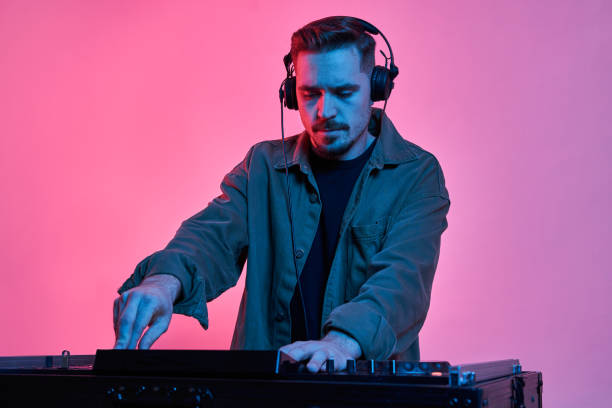
Alright, let’s cut through the noise. You’ve got your tracks synced, your transitions are clean, and you’re not clashing kicks like a rookie. But if you’re still just fading out the low end and calling it a day, you’re leaving serious texture on the table. Enter the isolator—the unsung hero of the DJ booth that can turn a basic blend into a spine-tingling moment. Whether you’re playing a warehouse in Berlin or a house party in your buddy’s basement, mastering isolator effects is the secret weapon that separates the button-mashers from the true sculptors of sound. Let’s break down how to use EQ and filtering tricks that’ll make your sets breathe, groove, and hit like a freight train.
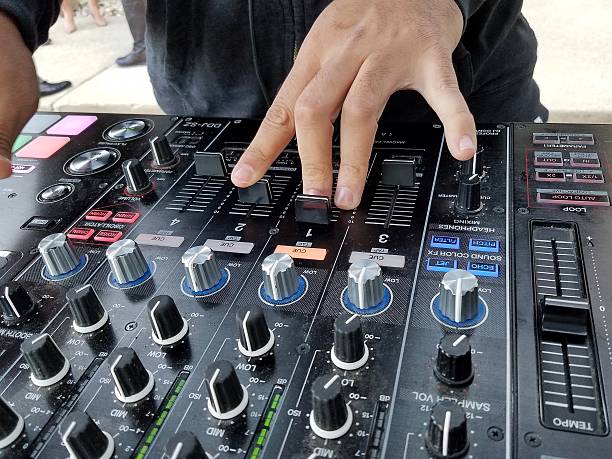
First, let’s get the basics straight. An isolator isn’t just a three-band EQ with a kill switch—it’s your surgical scalpel for frequency carving. Most DJ mixers have isolator knobs for low, mid, and high frequencies that can either boost or completely cut that range. The trick isn’t in boosting everything to eleven, though. That’s how you get mud. The real magic happens when you isolate a specific frequency out of a track and let it breathe alone for a second. Imagine pulling the lows out of a house track during a breakdown, then slamming them back in on the drop. That’s not just a transition—it’s a gut punch. Try this next time you’re mixing: on your outgoing track, kill the low-end completely and slowly bring it back over four bars while filtering the incoming track’s highs. The crowd will feel that tension snap like a rubber band.
But isolator effects aren’t just about dramatic drops. They’re about texture and storytelling. Let’s talk about the mid-range hack. Most DJs baby the mids because they carry vocals and melodies, but a bold isolator move is to cut the mids entirely on a break and let the lows and highs dance together. Suddenly, your track sounds hollow and introspective. Then, when you bring the mids back with a filter sweep, the room erupts because the warmth returns. This is the kind of move that Frankie Knuckles would have cooked into a six-hour set at The Warehouse—subtle, hypnotic, but devastating when it lands. Use a high-pass filter on the isolator’s low band to roll off the sub-bass without killing the thump, then pair it with a low-pass filter on the highs to muffle the hats. The result is a eerie, muffled tunnel that makes the next clean beat hit twice as hard.
Here’s where it gets next-level: combining isolator kills with the mixer’s filter knob. If your mixer has a resonance filter, you can take a soloed frequency and sweep it like a wah-wah pedal. For example, boost the mids on a vocal-heavy track, then apply a filter resonance sweep from low to high over eight bars. The vocal will feel like it’s swimming in and out of focus. This is a direct line to Larry Levan’s spirit—the man who turned Paradise Garage into a cathedral of sound by bending frequencies with his bare hands. He’d isolate the snare on a disco track for two full minutes, letting the crowd feel every crack before the bassline crashed back in. That’s not showboating; that’s communion.
For the traveling DJ who’s constantly adjusting to different sound systems, isolator effects are your best friend. A club in Tokyo might have punchy subs that rattle your ribs, while a spot in Brooklyn has boomy lows that turn into mud. Use the isolator to narrow the low-end on the master EQ until you hear the bass tighten. Then, on the booth monitor, boost the mids slightly so you can actually hear your phrasing. This is the kind of wellness hack for your ears—protecting your hearing by not blasting unnecessary frequencies. And yeah, it also keeps you from looking like the DJ who doesn’t know how to use the room’s gear.
One more pro tip: don’t sleep on the high-frequency isolator for ambient build-ups. On a long techno or house track, cut the highs entirely on the incoming track, then slowly reintroduce them while the outgoing track’s highs are being filtered out. The result is a shimmering, metallic sheen that feels like sunrise after a long night. Wendy Hunt, one of the unsung pioneers of turntablism and extended mixing, would use this exact trick to glide between genres without ever losing the room. It’s not about flash—it’s about flow.
So, next time you’re behind the decks, resist the urge to just slam the crossfader. Touch that isolator. Kill a band. Sweep a filter. Let the frequencies speak for themselves. Your crowd doesn’t want to hear you mix—they want to feel you sculpt. And that, right there, is the difference between a DJ and a master.