If your global clubbing bucket list doesn’t include Detroit’s Movement Electronic Music Festival, you’re basically showing up to the party without a ticket. But let’s get real—while the main stages at Hart Plaza pull massive crowds and headliner energy, the soul of the entire weekend lives two floors beneath the concrete. The Underground Stage at Movement Festival isn’t just a spot to hear techno; it’s a pilgrimage site for anyone who wants to understand where the dancefloor legend was forged, tested, and reborn.
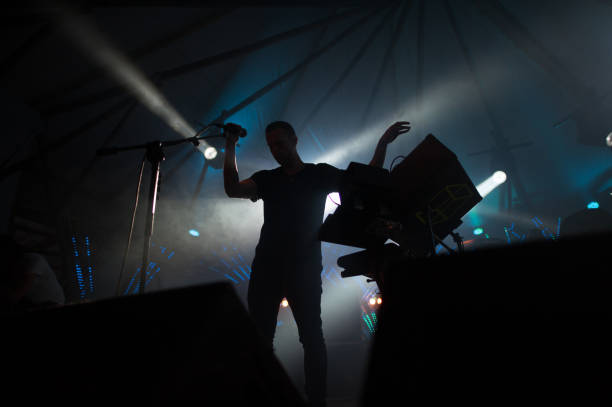
Detroit gave birth to techno in the 1980s—a gritty, futuristic sound that echoed the city’s industrial heartbeat and resilience. Movement, originally called the Detroit Electronic Music Festival, became the annual homecoming for that legacy. But the Underground Stage is where the true heads go. It’s housed in the basement of Hart Plaza’s convention center, a cavernous, low-ceilinged concrete bunker that feels like a secret rave from the ‘90s. The acoustics down there are thick and punishing—bass frequencies that rattle your ribcage, high hats that cut through the humidity like scalpels. No natural light, no frills, just pure, unbroken immersion.
For the traveling DJ or the serious dance music tourist, the Underground Stage is a non-negotiable stop. Why? Because it’s one of the few places left where the party isn’t about the Instagram story—it’s about the sweat dripping off the ceiling and the stranger next to you who suddenly becomes your best friend through a four-hour set. The lineup curates a mix of Detroit royalty and international underground acts. You might catch a b2b from local legends like Stingray or DJ Minx, then pivot to a UK techno boss like Blawan or Surgeon. The vibe is pure “we’re here for the music, not the flex.”
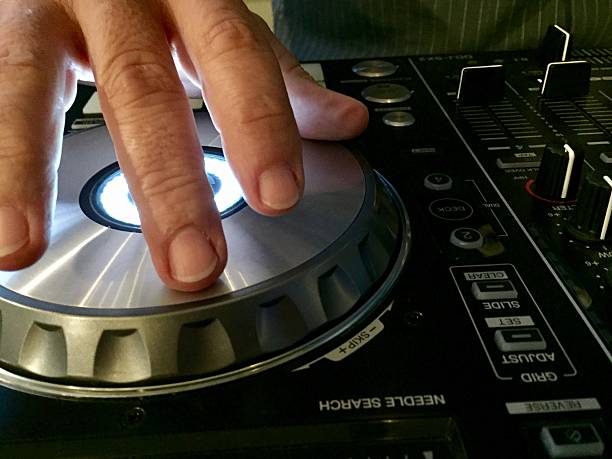
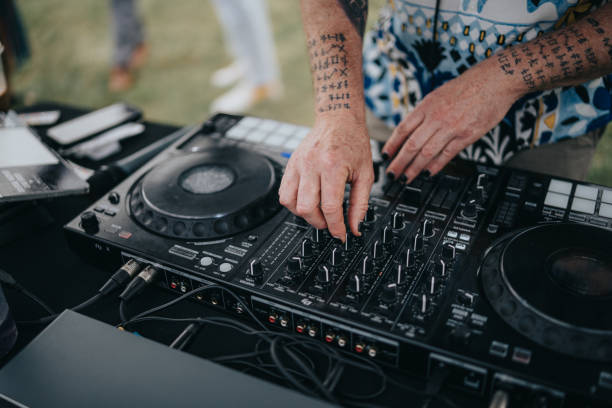
That’s the secret sauce: Movement’s Underground Stage is a masterclass in DJ craft. The artists who play there don’t rely on visuals or pyro. They rely on track selection, mixing finesse, and reading a room that’s already vibrating at 130 BPM. Aspiring DJs should plant themselves in that room for at least three hours. Watch how the best transition from dark, rolling grooves to peak-time stompers without breaking the crowd’s trance. Notice how they use subtle EQ shifts and delays to build tension. This is where you learn that the dancefloor legend isn’t built on hype—it’s built on control and intention.
For the seasoned clubber, the Underground Stage is a rite of passage. It’s the American counterpart to Berlin’s Berghain basement or London’s Fabric room two. But where European clubs often feel curated and cool, Detroit’s underground is raw, industrial, and deeply communal. The crowd is a mix of aging ravers who remember the original Warehouse parties, young kids chasing the sound they discovered on SoundCloud, and international heads who flew in just for this weekend. There’s no VIP section. There’s no bottle service. Just a dancefloor that demands respect.
Beyond the music, the Underground Stage embodies a critical lesson for any DJ or clubber: sustainability. The dance music scene runs on adrenaline, travel, and late nights, but mental and physical health often get sidelined. The heat and density of that room are brutal. Bring water, pace yourself, and know when to step out for air. The best clubbers know that a legendary night isn’t about surviving until sunrise—it’s about being present enough to feel every drop, every transition, every shared glance. Movement’s underground teaches you that.
For the bucket list, this stage ranks alongside Ibiza’s Amnesia terrace or Tokyo’s Womb. But it’s uniquely American—born from a city that refused to quit, powered by a sound that changed the world. Whether you’re a bedroom DJ dreaming of your first gig or a veteran who’s spun vinyl for decades, the Underground Stage at Movement Festival is where American dancefloor legends are made and remembered. You don’t just attend it. You survive it. You dance through it. And you leave changed.
So add it to the list. Between the history-heavy mainstage and the afterparties that stretch into Monday morning, that hot, dark basement is the epicenter. Respect the floor. Respect the history. And for the love of all things four-on-the-floor, bring earplugs. Your hearing—and your bucket list—will thank you.