Let’s be real for a second: the clubbing bucket list has a serious problem with overthinking. Every listicle screams about Berghain’s bouncer or Fabric’s Funktion-One system, and sure, those are holy grails. But if you actually want to understand what made the American dancefloor legendary—the sweat, the community, the feeling that you’ve stumbled into a secret backyard party that’s been running since the 90s—you need to put Mister Sunday at the top of your list. This isn’t just a party. In the world of “Global Clubbing Bucket List” entries, Mister Sunday is the entry that keeps the spirit of Larry Levan, Frankie Knuckles, and Wendy Hunt alive without trying to be a museum piece.
Mister Sunday happens in Brooklyn, at a spot called Nowadays. But don’t picture a sleek, velvet-roped mega-club. Nowadays is a converted garage and beer garden with a leafy, open-air space that feels like someone’s incredibly cool, permission-slide aunt’s backyard. The vibe is “Sunday afternoon turned Sunday night turned Monday morning.” The music is deep house and disco, often played by residents and guests who treat the decks like a conversation rather than a performance. No strobe lights assaulting your retinas. No VIP section. Just a wooden dancefloor under the sky, a sound system that wraps around you like a warm hug, and a crowd that ranges from industry vets in their 40s to Gen Z kids who discovered disco on TikTok.
Why does this belong on a Global Clubbing Bucket List alongside Ibiza superclubs and Tokyo techno basements? Because Mister Sunday embodies the original American dancefloor legend ethos. Think about Frankie Knuckles at the Warehouse—the party wasn’t about spectacle, it was about sanctuary. Think about Larry Levan at the Paradise Garage—the dancefloor was a place to lose yourself, not to be seen. Mister Sunday channels that same energy. The DJs don’t play anthems you can Instagram-share; they play long, hypnotic edits that build a collective trance. The crowd doesn’t film; they close their eyes and sway. It’s the antidote to clubbing as content creation.
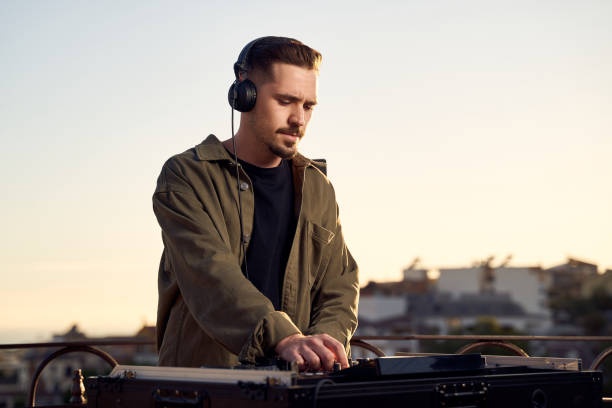
The “Mister Sunday Outdoor Vibes” thing is key. From late spring through early fall, the party moves entirely outdoors. That’s where the magic happens. There’s something primal about dancing to house music when the sun is going down, the air is cooling, and the trees above you are rustling. It’s not just a party; it’s a ritual. The sound system is tuned to hit your chest without distorting, so you feel the bassline in your bones while the melodies float through the open air. By the time the sun sets and the fairy lights come on, you’re not in Brooklyn anymore. You’re in a liminal space where time bends.
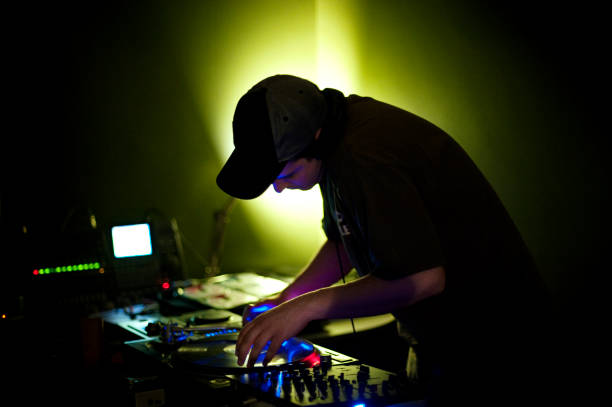
For traveling DJs who read guides about the craft, Mister Sunday is also a masterclass. It teaches you that the greatest DJs don’t just beat-match; they read the room as an organism. You’ll see residents like the brilliant Eamon Harkin or Justin Carter (the founders of Nowadays) play for six, seven, eight hours. They start gentle, build slowly, hit a peak around 7 PM that feels like a sunrise, and then descend into something deeper as the night wears on. It’s the opposite of a festival set where you smash and grab. It’s a long-form narrative.
And here’s the wellness angle for Gen Z and Millennial DJs who are constantly on the road: Mister Sunday respects your body. There’s no pressure to pre-game or “rage.” You can grab a slice of pizza from the nearby spot, drink an iced coffee, and dance for five hours straight. The energy isn’t fueled by substances; it’s fueled by the music and the community. It’s a clubbing experience that doesn’t leave you wrecked. In a world where mental health and physical recovery are finally being prioritized, Mister Sunday shows that the dancefloor can be a place of healing, not burnout.
So when you’re building your global clubbing bucket list, don’t just list the industrial raves in Berlin or the superclubs in Las Vegas. Put Mister Sunday in your top five. Book a flight to New York. Get there early. Grab a bench. Stay late. You’ll leave with a new understanding of what an American dancefloor legend actually looks like in 2024—it’s not a relic. It’s a Sunday ritual happening right now, under the sky, where the music never stops and the feeling never fades.