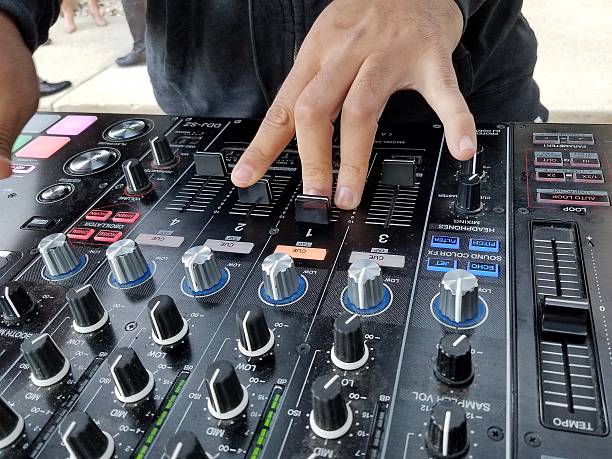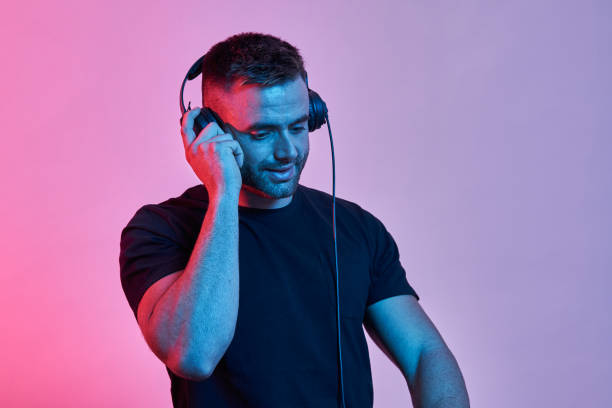
You’ve been hunched over a Pioneer mixer for four hours, the bass is thumping through your spine, and your ears are starting to feel like they’ve been through a spin cycle. But here’s the thing nobody warns you about in those glossy “how to beatmatch” tutorials: the physical toll of wearing headphones. Specifically, the fatigue that creeps in from the pressure points on your skull. As a DJ, your headphones aren’t just audio tools—they’re your second skin for hours on end. So the age-old battle between on-ear and over-ear designs isn’t just about sound isolation or portability. It’s about whether you’ll finish a set with a clear head or a dull ache that lingers into the next morning.
Let’s break down the fatigue factor, because in the Holy Grail Headphones section of this site, we don’t just care about crisp highs and punchy lows. We care about how your gear treats you after hour three.
On-ear headphones, like the classic Sennheiser HD 25 or the AIAIAI TMA-2 with the on-ear pads, are the go-to for many turntablists and scratch DJs. They’re lightweight, clamp tight enough to stay put during head-bobbing, and offer insane sound isolation without needing active noise cancellation. But here’s the dark side: that tight clamping force and the small pads pressing directly on your cartilage create a specific kind of pain. It’s not the muffled, hot feeling you get from over-ears. It’s a sharp, localized soreness on the top of your ears, especially around the helix. After a two-hour set, you might find yourself massaging your ears like they just finished a fistfight with a velcro strap. The fatigue is acute, yes, but it’s also manageable if you take breaks. The real issue is that on-ears trade long-term comfort for immediate control—they hold you in the mix, but they also hold a grudge.
Over-ear headphones, meanwhile, like the Beyerdynamic DT 770 Pro or the Audio-Technica ATH-M50x, offer a different kind of exhaustion. They wrap around your ears entirely, distributing pressure across a larger surface area. This should be a win for comfort, right? Not always. Because over-ears tend to be heavier, and they rely on a headband that can create a “hot spot” on the crown of your skull. After a marathon session, you might not feel ear pain, but you’ll feel a pressure headache that builds like a slow tide. Plus, over-ears trap heat. Those plush velour or leather pads feel luxurious for the first thirty minutes, but by the ninety-minute mark, your ears are swimming in a sauna of your own sweat and ambient club heat. The fatigue here is more diffuse—a general dullness, a feeling of your head being in a vice that’s just a little too snug.
The choice between on-ear and over-ear fatigue isn’t just about pain patterns. It’s about how your body reacts to prolonged clamping force versus prolonged weight. If you’re a DJ who sets up for a six-hour open-format night, over-ears might actually be kinder—if you choose a lightweight model with a well-padded headband and breathable ear cups. Brands like Sony with the MDR-7506 or the newer Sennheiser HD 300 Pro manage to split the difference, offering low weight and moderate clamp. But if you’re a scratch DJ who needs to slip one ear on and off quickly to monitor the room, on-ears are almost unavoidable—and you’ll just have to schedule your ear massages.
The real holy grail? It’s a hybrid approach. Some DJs now swap pads—putting deeper, more breathable ear cushions on an on-ear frame—or choose modular headphones like the AIAIAI TMA-2 Studio XE, which lets you mix and match drivers, headbands, and ear pads until you find that elusive zero-fatigue sweet spot. Others simply learn to take the cans off during breakdowns, giving their ears a breather. Because no matter how expensive your headphones are, they’re still squeezing your skull. The gear is essential, but your long-term hearing health and physical comfort are the real headliners.
So before you drop cash on the flashiest pair, ask yourself: How long do I actually wear these things? Do I want the sharp, short-term pain of on-ears or the dull, long-term headache of over-ears? There’s no wrong answer—just the right answer for your head. And if you find that magical pair that doesn’t remind you of your own skull? Hold onto them like a vinyl copy of your first-ever bootleg. Because in DJing, comfort isn’t a luxury. It’s a tool.