Let’s be real for a second. You’ve got the mixes. You’ve got the gear. You’ve probably got a sick logo your friend designed over coffee. But when a promoter or booking agent asks for your press kit, do you send a link that makes them actually tap “book,” or do you send a 47-page PDF that gets buried in their DMs? If you’re nodding along with the latter, it’s time to talk about the one pager that doesn’t flop. We’re talking about the single most underrated tool in your DJ brand arsenal: a concise, high-impact one pager that screams “I’m ready for your stage” without making anyone scroll through your entire SoundCloud discography.
Your DJ brand is more than a logo or a DJ name that sounds cool after three drinks. It’s the vibe you curate before you even press play on the first track. Think about the trailblazers who built this culture from the ground up. Larry Levan didn’t just spin at the Paradise Garage; he created a sonic sanctuary where every drop, every loop, every silence between tracks was a deliberate part of an experience. Frankie Knuckles didn’t just play house music; he built a community around rhythm and soul. Wendy Hunt, a lesser-known but equally vital force, carved out space for queer and women DJs when the decks were still a boy’s club. These legends didn’t have Instagram or a press kit template from Canva. They had their sound, their story, and a one-sheet that promoters passed around in sweat-soaked clubs. Your one pager needs to channel that same energy but for the digital age.
So what goes into a one pager that promoters actually forward to their team? First, kill the clutter. Nobody wants to read your life story or the time you opened for a mid-tier act in 2019. Your one pager should be a single page—yes, one page—that tells a promoter three things in under ten seconds: who you are, what you play, and why you’re worth their budget. Start with your DJ name in bold, clean type, followed by a tagline that sums up your brand in six words or less. “Deep house for late nights” or “Techno that sticks to your ribs.” That’s your hook. Below that, drop a short bio that reads like a conversation, not a resume. Mention your signature sound, your influences (feel free to nod to Levan or Knuckles if they genuinely shaped your style), and a standout gig or residency. Avoid “I love music” because duh, everyone loves music. Be specific. “I’ve held down a monthly at a warehouse where the floor sweat drips from the ceiling” hits harder.
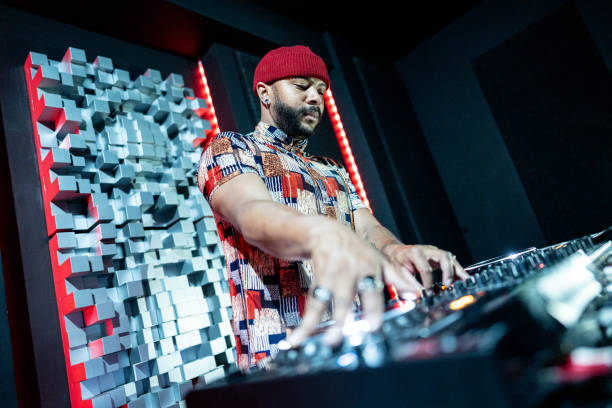
Next up, your essential stats. Promoters need social proof, so include your follower count from Instagram or TikTok, your monthly Spotify listeners if you have them, and any notable streams on platforms like SoundCloud or YouTube. But here’s the trick: don’t inflate numbers. Real promoters can spot a bought bot following from a mile away. Instead, brag about engagement. “I pull 2,000 real humans to my monthly residency” is way more powerful than “10K followers but nobody comments.” Add a killer photo of you behind the decks, preferably one where you look like you’re in your element, not like you’re posing for a passport photo. Lighting, crowd energy, maybe a bit of smoke machine haze. Make them feel the bass through the JPEG.
Now, the part that makes or breaks your one pager: contact info and availability. Put your email, direct booking link, and social handles at the bottom in a font that’s easy to read. Include a line about your rider—what you need to make the gig happen. “Two CDJ-3000s, a no-slip rug, and cold sparkling water” tells a promoter you’re professional without being high-maintenance. Also, mention your geographic reach. Are you based in Berlin but willing to fly to Tokyo? Do you have a passport ready for that bucket-list club in Ibiza or the cavernous basements of Berghain? Name-dropping clubs you’ve played or want to play—Public Records in Brooklyn, Fabric in London, or a secret sound system in Bangkok—shows you’re tapped into the global circuit.
But here’s where most DJs mess up. They treat the one pager like a static document. Your brand is alive, and your one pager should evolve with your sound. Update it every season or after a major gig. And please, for the love of Levan, don’t send a PDF that’s 5MB. Use a platform like Linktree with a one-pager image or a simple PDF that compresses to under 1MB. Promoters are scrolling on their phones at 2 AM after a rave. Make it load fast and look sharp.
Finally, remember that your one pager isn’t just a piece of paper. It’s a handshake. It’s the moment you tell a promoter, “I’ve studied the history, I respect the craft, and I’m ready to carry the torch from the legends before me.” Whether you’re chasing a slot at Tomorrowland or a tiny basement in Brooklyn, your DJ brand lives in the details. The one pager that doesn’t flop is the one that respects the promoter’s time, showcases your uniqueness, and makes them think, “I need this energy on my lineup.” So go ahead. Write it. Design it. Send it. Then get back to the decks and let the music do the rest.