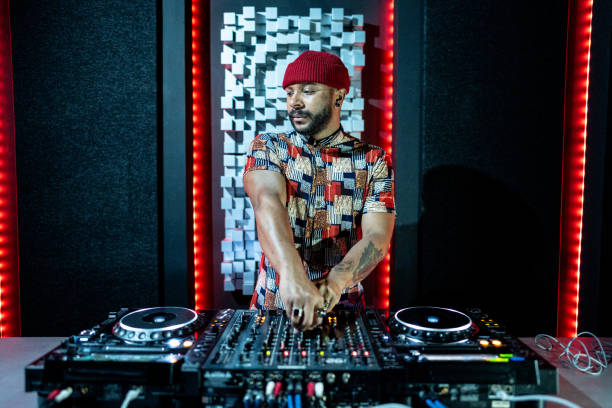
So you’ve got your first controller, you’ve learned to count phrases, and you’re starting to feel that rush when two tracks lock in perfect sync. Now comes the real question that haunts every new DJ: what kind of DJ are you going to be? Before you even think about gear upgrades or festival dreams, you need to understand the two main roads in front of you—open format and niche—and how they connect to the single most underrated skill in this game: reading a crowd. Because no matter how tight your blends are, if you can’t tell what the floor needs, you’re just a person with expensive headphones.
Let’s start with open format. This is the Swiss Army knife approach. An open format DJ can pivot from funk to hip-hop to house to reggaeton to pop in the span of an hour. These are the folks who hold down weddings, corporate events, college bars, and mainstream clubs where the crowd is a chaotic mix of ages and vibes. If you’re just starting out, open format is often the most practical path because it keeps you employed. You learn to read energy levels in real time, not by genre loyalty but by body language. You see a group of people on the dance floor starting to check their phones? That’s your cue to switch lanes. Open format forces you to become a crowd psychologist, which is honestly the most valuable skill you can develop. It teaches you that your playlist is never the boss—the room is.
But here’s the flip side: open format can feel like you’re constantly chasing the crowd’s tail. You’re less likely to develop a signature sound because you’re always serving what’s familiar. And in a world where every wedding DJ has access to the same Spotify playlists, being a human jukebox doesn’t always make you memorable. That’s where niche survival comes in.
Niche DJs pick a lane and stay in it. Maybe it’s vinyl-only deep house, or Afrobeat exclusives, or hard techno, or footwork jungle, or disco edits. These DJs don’t try to please everyone. They build a reputation around a specific sound, and they attract crowds who already want that sound. Think of legends like Larry Levan at the Paradise Garage—he didn’t play pop hits. He carved out a spiritual, eclectic house and disco journey that made people travel across boroughs to experience. Frankie Knuckles did the same in Chicago, building a sanctuary for dance music that became a movement. Wendy Hunt, the lesser-known but equally vital pioneer, brought that same devotion to underground clubs in New York, curating spaces where the music wasn’t just background noise but the main event.
The beauty of a niche approach is that you become a tastemaker. Crowds come to you because they trust your ear. You don’t have to worry about dragging an unwilling audience through your set because the audience already opted in. That makes reading a crowd easier in one sense—you already know their baseline expectation—but harder in another, because you have to deliver depth within a narrow style. You’re not switching genres to save energy; you’re manipulating energy within the same palette, using tempo, tension, and texture.
So which should a beginner choose? Honestly, the best move is to start open format to build your fundamentals of crowd reading, then begin to carve out a niche as you gain confidence. The most successful DJs I know have one foot in both worlds. They can rock a mainstream club on Friday and a warehouse party on Saturday. They understand that reading a crowd isn’t just about seeing what people are wearing or guessing their age—it’s about noticing the subtle shifts: the way a group of friends stops dancing to talk, the moment someone’s shoulders drop when a track doesn’t land, the collective exhale when you drop that one song nobody expected but everyone needed.
Your survival as a DJ depends on your ability to be fluid. The industry is crowded. Algorithms flood every platform with new producers every minute. But the one thing an algorithm can’t do is walk into a room, feel the humidity of the dance floor, and decide on the spot whether to reach for a bootleg remix or a classic edit. That human decision is where your value lives.
So here’s the takeaway: don’t marry a genre before you learn to read a room. Spend your first year playing every kind of gig you can, even the weird ones. Learn to love the challenge of a half-empty bar on a Tuesday. That’s where you’ll develop the instinct that makes open format feel natural and niche carving feel earned. Whether you end up in the lineage of Levan and Knuckles or build something entirely new, the foundation is always the same. The crowd writes the story. You’re just the narrator.