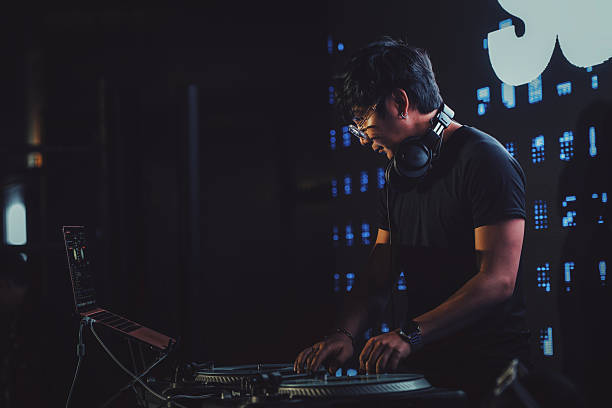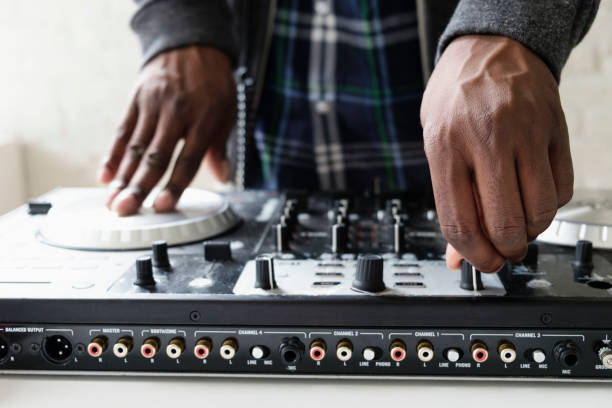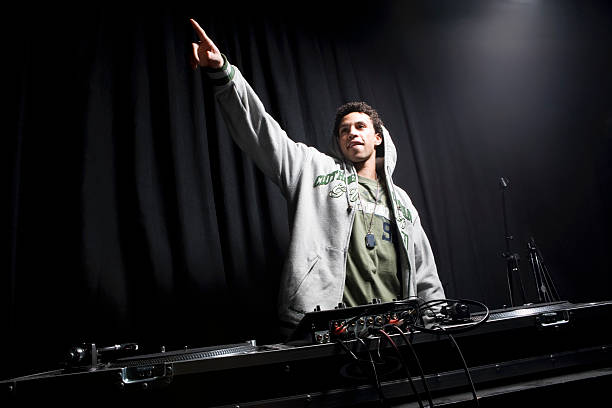
If you’ve ever been locked into a DJ set that felt like a fever dream, you know the exact moment it happens. The floor is surging, hands in the air, the energy is so thick you could cut it with a fader, and suddenly the track you’re on starts to crest. Your heart rate matches the kick drum. You’re at the peak. But here’s the secret that separates the legends from the locals: that peak isn’t a wildfire. It’s a controlled burn.
In the world of set storytelling, peak time is the climax of your narrative arc. It’s the chapter where everything accelerates, where tension finally breaks into release, and where the crowd collectively forgets they have a phone to check. But if you don’t master the mix at this stage, that burn can turn into scorched earth. You can lose the room faster than a dropped beat during a breakdown. So how do you command the peak without letting it command you?
First, let’s talk about pacing. A great set is like a novel with chapters. You have the warm-up — that first 30 minutes where you’re introducing the vibe, testing the room, and letting people settle into the sound. Then comes the build, where you layer in more energy, opening up the groove. But peak time is the third act. This is where you’ve earned the crowd’s trust, and they’re ready to go where you lead. The mistake too many DJs make is thinking peak time means maximum volume, maximum chaos, maximum everything. It doesn’t. It means maximum intent.
Think of peak time as a controlled burn in the forest. Firefighters set these intentionally to clear out underbrush, to prevent a catastrophic wildfire later. Your peak time energy works the same way. You’re burning through the tension and expectation the room has been building all night. And you do it with precision, not panic. That means your track selection has to be surgical. You aren’t just throwing in the biggest banger you have; you’re choosing the right banger that fits the emotional temperature of the room. Maybe it’s a track with a massive synth stabs after a long vocal build. Maybe it’s a classic re-edit that everyone knows but hasn’t heard in years. Whatever it is, the mix needs to hit with intention.
Mastering the mix at peak time also means knowing when to hold back. Yes, hold back. Counterintuitive, right? But the best peak-time moments come from tension and release. You can have a track with a four-on-the-floor kick that’s pounding, but if you let it ride too long without a drop, the energy flatlines. Conversely, if you drop the bass every 16 bars, you’re just teasing the crowd without satisfying them. Peak time is about the delay of gratification. You want to let the crowd hang on the edge of that drop just long enough that when it finally lands, the room explodes. This is where your EQing, your filtering, your phrasing — all that technical mastery of the mix — becomes your storytelling tool.
Another key element of peak time mastery is dynamic range. It’s easy to think louder is better, especially in a club or festival environment where the system is massive. But a masterful DJ knows that sudden shifts in energy — a brief breakdown, a filtered bridge, even a quick vocal-only moment — can make the return to full power feel like a tsunami. You don’t want a constant wall of sound. You want peaks and valleys within the peak. That’s what keeps the crowd locked in, because their ears are constantly adjusting, constantly anticipating. It’s the difference between a set that feels like a marathon and one that feels like a sprint.
Let’s not forget the physical aspect, too. Peak time is often when beginner DJs start to lose their cool. Your hands might get sweaty, your cueing might get sloppy, and suddenly you’re rushing transitions. Stay grounded. Breathe. Look at the crowd. Let them guide you. If they’re still moving, you’re fine. If they start looking around confused, you’ve lost the narrative thread. That’s your cue to re-center and recalibrate.
Finally, remember that peak time isn’t the end. After the burn comes the cool-down, the return to the groove, the descent of the story. If you’ve controlled the burn well, the crowd will follow you anywhere — even into a deeper, more introspective section of the night. That’s the mark of a true storyteller. You don’t just build a fire. You know exactly when to let it breathe.
So next time you’re standing in the booth, staring at a crowd that’s ready to erupt, don’t just reach for the loudest track. Read the room. Trust your phrasing. And let the burn happen exactly when it’s supposed to. Peak time is a controlled burn, and you’re the one holding the match.