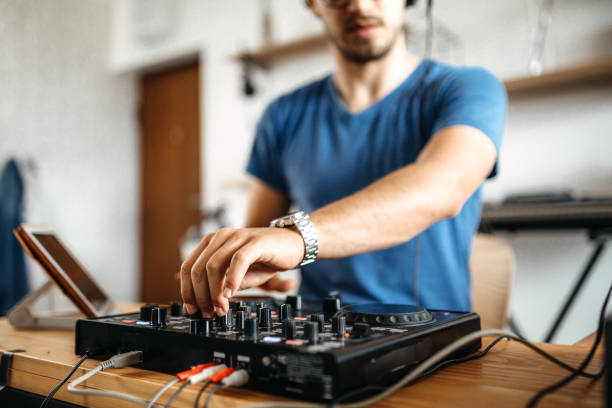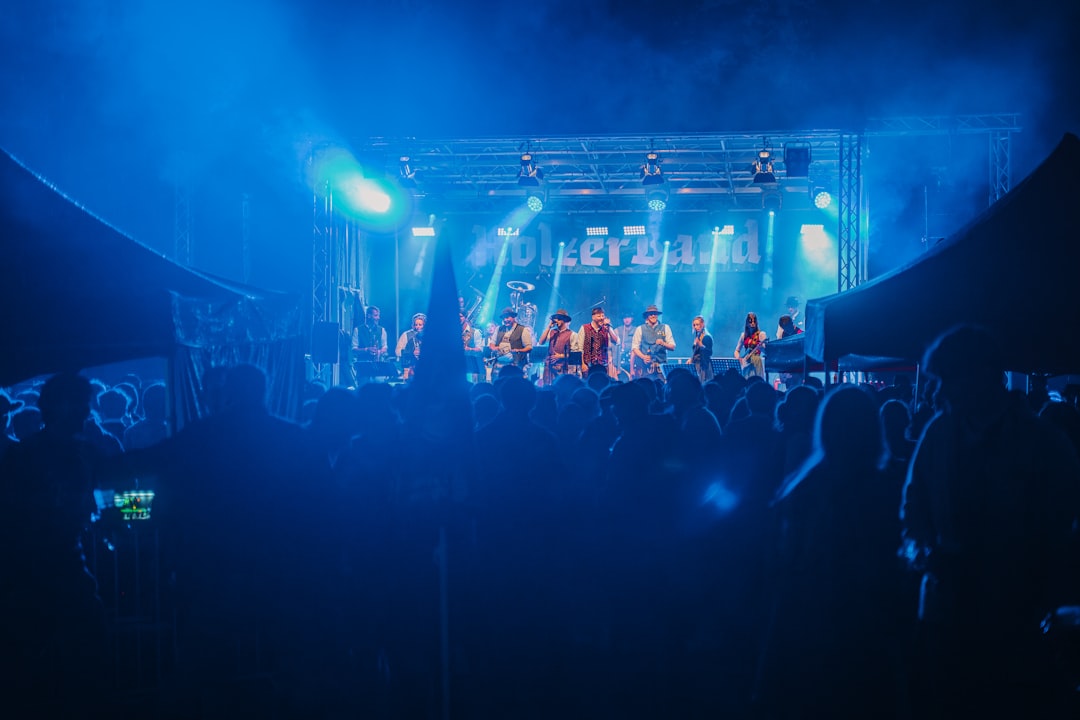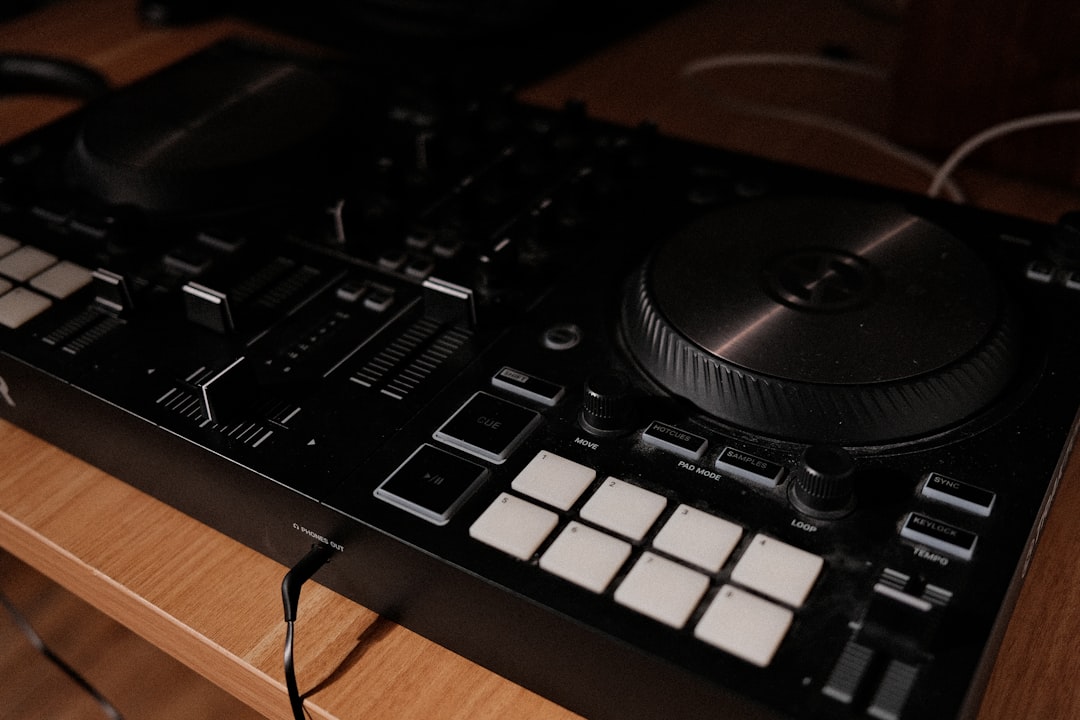
So you’ve finally decided to stop just nodding along to your favorite tracks and actually learn how to mix them. Welcome to the club. You’re about to enter a world where your headphones become your best friend, your BPM counter becomes your obsession, and your coffee table suddenly looks like a command center. But before you drop any cash, you’re going to face the first real crossroads of your DJ journey: should you go for a portable controller that slips into your backpack like a secret weapon, or commit to a full-size setup that makes you feel like you’re commanding a starship? This isn’t just about price—it’s about how you want to live the DJ life.
Let’s get real about portability first. The portable controller is the unsung hero of the bedroom DJ who also wants to be the house party DJ, the park DJ, or the “I’m going to my friend’s rooftop and we’re vibing until sunrise” DJ. Think of gear like the Pioneer DDJ-FLX4 or the Numark Mixtrack Pro FX. These units are small enough to fit in a laptop bag, usually run on USB power (no wall outlet needed if your laptop’s battery is decent), and they don’t make you look like you’re moving in with a full PA system. For the Gen Z crowd that values mobility and spontaneity, portability is a lifestyle choice. You can pull up to a spot, pop open your laptop, plug in the controller, and have a set running in under two minutes. No heavy cases, no cables that look like tangled spaghetti, no stressful Uber XL to get it all there. It’s the minimalist approach to DJing, and it’s perfect if you’re still figuring out your sound and want to test the waters without committing to a permanent desk shrine.
But here’s the thing about portable controllers—they come with trade-offs that can bite you later. Smaller jog wheels mean less precision when you’re trying to do those tight scratch transitions, and the built-in sound cards are usually fine for casual listening but won’t hold up in a loud club environment where you need clean output and multiple channels. You’re also dealing with fewer physical controls, which means you’ll be menu-diving on your laptop more often. If you’re the kind of person who wants to feel every twist and push as you sculpt your mix, the tactile sacrifice might drive you nuts after a few sessions. Plus, those tiny faders? They’re not designed for aggressive use. You’ll find yourself accidentally bumping a knob or hitting a pad while reaching for another control, especially if you’ve got medium-to-big hands. Portable gear is great for learning basic beatmatching and getting comfortable with the software, but it can feel like training wheels once you start wanting to do more than just blend two tracks together.
Now flip the coin to the full-size setup. We’re talking about controllers like the Pioneer DDJ-1000 or the Denon DJ Prime 4. These beasts are meant to stay in one place, usually bolted onto your desk or set up in a permanent booth. They come with full-size jog wheels that actually feel like turntables, dedicated channel strips with gain, EQ, and filter knobs you can actually twist with confidence, and enough buttons and pads to make you feel like you’re piloting a spaceship from a 90s sci-fi movie. For the serious home studio DJ or the club DJ who wants to replicate the booth experience at home, this is the way to go. You can layer effects, trigger samples, loop on the fly, and mix four tracks without ever touching your laptop screen. It’s the difference between driving a manual sports car and riding a scooter—both get you there, but one of them makes you feel like you’re part of the machine.
The downside to full-size setups is obvious: they’re heavy, expensive, and they take up real estate. If you live in a cramped apartment with roommates, a full-size controller on your desk might mean you’re eating dinner on the floor. And forget about bringing it to a friend’s place for a casual jam unless you’ve got a car and a serious back brace. Full-size gear also tends to require its own power supply and dedicated audio interface, adding more cost and complexity. You’re committing to a stationary lifestyle of DJing, which is fine if your main goal is to produce sets for SoundCloud or stream on Twitch, but it’s limiting if you thrive on spontaneity and live social moments.
So how do you decide? Think about where you actually see yourself DJing in the next six months. If it’s mostly in your bedroom with occasional pop-up parties where you can just fit in a roll-aboard case, get the portable controller. You’ll save money, you’ll save space, and you’ll get comfortable with the software without feeling like you wasted a grand on something you can’t move. If you’re already dreaming of getting club gigs or building a home studio that feels professional, save up for the full-size setup. It’s an investment in your growth as a DJ, and the tactile feedback will make learning advanced techniques like harmonic mixing and scratch transitions much smoother.
And remember, you don’t have to start with the biggest baddest controller on the market. Many pro DJs started with a tiny two-channel unit and upgraded as their skills and opportunities grew. The best controller is the one you’ll actually use. If portability gets you playing out more, go portable. If full-size gets you practicing deeper, go big. Either way, you’re still a DJ. Now go make some people dance.