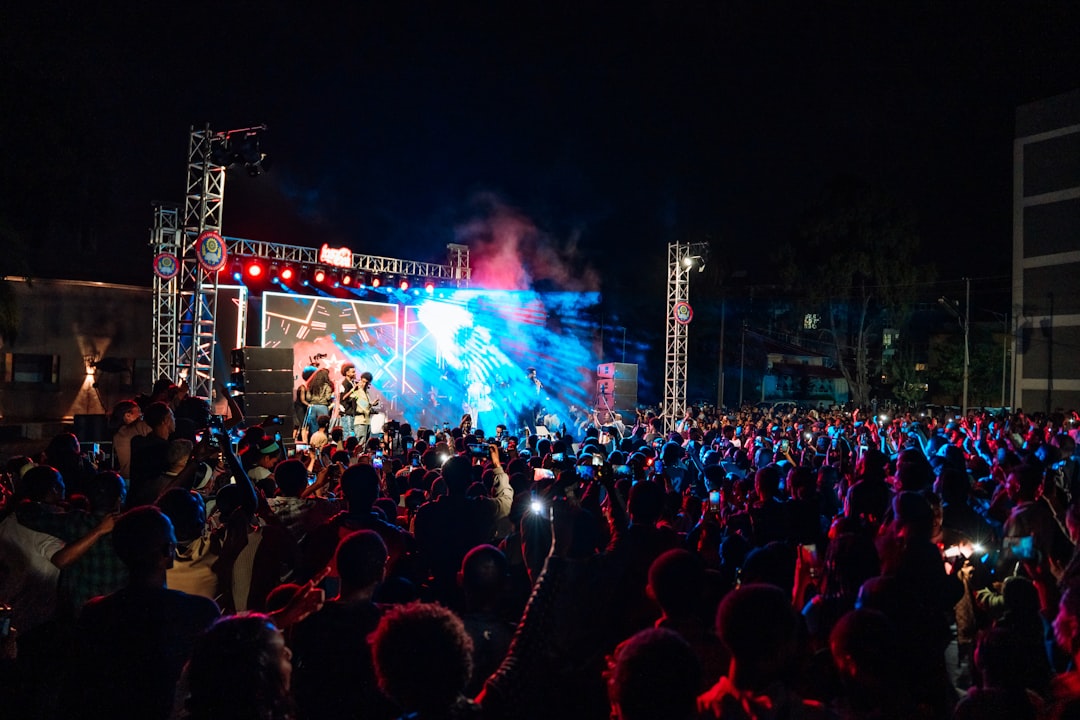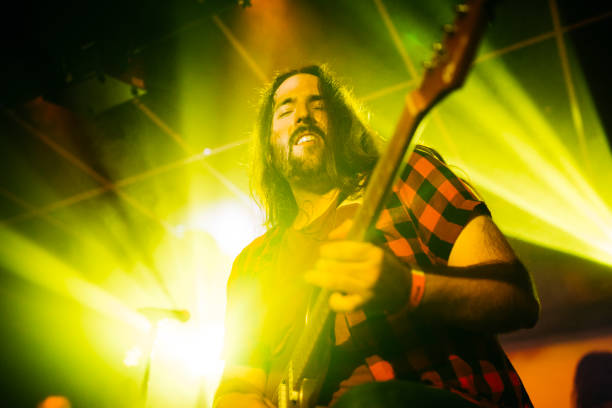
If you’ve been around the European festival circuit long enough, you know the feeling. You land in a city, drag your gear to a field on the outskirts, and spend three days in a temporary mud-and-wonderland that exists entirely outside the local reality. The locals? They either hate you for the noise or cash in on your desperation for a lukewarm beer. But then there’s Primavera Sound in Barcelona. This festival doesn’t just happen in Barcelona. It breathes with it. It lives inside the city’s veins, from the salty air of the Barceloneta beaches to the late-night tapas bars in El Born. For a traveling DJ, this isn’t just a gig stop. It’s a masterclass in how to integrate a massive electronic and indie music beast into the actual fabric of a European capital. And honestly, it’s the kind of energy every DJ dreams of tapping into.
Let’s talk about the location first, because that’s where the integration starts. Most festivals force you into a commute that kills the vibe before the first drop. Primavera Sound plants its main stages right in the Parc del Fòrum, a seaside complex that’s basically a twenty-minute metro ride from the Gothic Quarter. You can walk from a post-set afterparty in a sweaty Raval basement to the main stage in time to catch the sunrise set. That’s not convenience, that’s a lifestyle choice. For DJs, this proximity is a game changer. You aren’t stuck in a green room bubble. You can duck out for a proper espresso, grab a plate of patatas bravas from a family-run joint, then come back and play a set that feels like it’s part of the city’s heartbeat, not just a programmed schedule.
The real magic, though, is how Primavera Sound extends the experience beyond the festival grounds. They run a parallel program called Primavera a la Ciutat, which basically turns the entire city into a two-week auditory playground. Bars, galleries, rooftops, even hardware stores (I’m not kidding) host intimate sets and pop-up DJ sessions. This isn’t some plastic tourist trap. Barcelona’s actual residents integrate the festival into their own rhythm. You’ll see abuelas tapping their feet to a deep house set outside a neighborhood bakery while their grandkids dance on the cobblestones. This is the kind of organic cross-generational moment you simply cannot manufacture at a purpose-built festival site. For a DJ, playing one of these satellite shows is like getting a direct injection of the city’s soul. You’re not a performer from outside. You’re part of the local tapestry for a few nights.
Then there’s the timing and the culture angle. Primavera Sound happens at the end of May, early June, when Barcelona’s weather is pure dopamine. The city is already buzzing with its own energy, the summer season just beginning to turn the dial up. The festival doesn’t compete with the city; it syncs with it. Instead of forcing attendees into a single gated community, the festival releases its schedule late enough that people can plan their own city explorations between sets. You can catch an ambient set at dawn, then hike up to the Bunkers del Carmel for a panoramic view of the city with a thousand other fest-goers who are all in the same healing trance. That’s not accidental. That’s intentional city integration, designed to keep the festival spirit flowing through the streets, not just the sound system.
For the traveling DJ, this means your experience isn’t limited to the stage. You can network, chill, and find inspiration in the city’s landscape. Barcelona’s open-mindedness toward late-night culture helps, too. The city doesn’t shut down when the festival does. You can find afterparties that run until noon the next day, tucked into underground clubs like Razzmatazz or Nitsa. The line between “festival attendee” and “city citizen” blurs so hard you stop noticing the difference. After a few days, you might forget you’re even at a festival. You’re just in Barcelona, and the soundtrack happens to be world-class.
This integration also solves a massive problem for DJs: burnout. When you’re camped in a field far from civilization, you’re stuck in a loop of sound, sweat, and sleeplessness. At Primavera, you can leave the sonic intensity for a few hours, take a real shower, eat a proper meal, or just sit in a quiet plaza and people-watch. The festival respects your need for recovery without making you feel like you’re missing out. That’s rare. That’s precious.
If you’re making your European festival bucket list, put Primavera Sound at the top not just for the lineup, but for the city that hosts it. This is how you do it. This is how a festival becomes a city’s second pulse. When you play there, you’re not just a DJ on a stage. You’re a temporary local, riding the same wave as everyone else. And honestly, that’s the best kind of gig you can book.