Let’s be real: you live for the drop. The moment the crowd gasps, the bass hits, and the strobes sync with your heartbeat—that’s the feeling that keeps you spinning. But here’s the part nobody tells you in those beginner beat-mixing tutorials or when you’re obsessing over the perfect Pioneer XDJ setup: the road to the booth is paved with bleary eyes, bad posture, and a mental fog that whispers “one more gig” when your body is screaming “stop.” Burnout doesn’t announce itself with a neon sign. It creeps in like a ghost in the EQ, slowly killing the frequencies you love. For traveling DJs, mental health check-ins aren’t a luxury—they’re the difference between a legendary career and a crash landing.
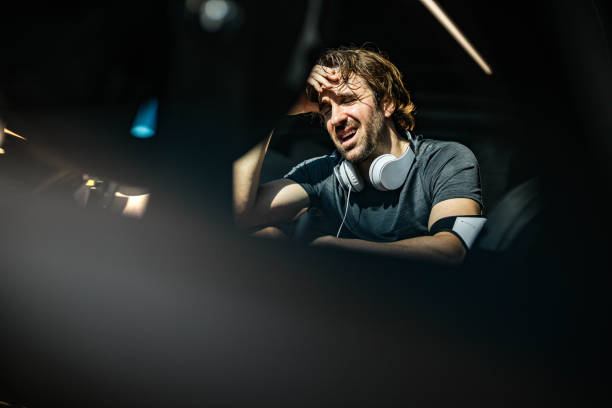
First, let’s talk about what burnout actually looks like when you’re living out of a suitcase, hopping between bucket-list clubs in Berlin, Brooklyn, and Bangkok. It’s not just being tired. It’s waking up in a hotel room and not remembering what city you’re in. It’s feeling numb during your own set, like the music is happening to someone else. It’s canceling dinner with friends because even ordering food feels like a set of BPM math you can’t solve. Sound familiar? That’s because the DJ life romanticizes the grind. We celebrate the all-nighters, the back-to-back bookings, the afterparties where sunrise feels like a flex. But Larry Levan didn’t build the Paradise Garage by running on empty—he curated an experience that required his mind and body to be in sync. Frankie Knuckles didn’t create the “House” sound by ignoring his sleep schedule. The true pioneers knew: your best set comes from a place of clarity, not exhaustion.
So how do you spot burnout before it takes the wheels of steel from your hands? Start with the small signals. When you find yourself forgetting key names—the promoter you just met, the name of that track you planned to drop at 2 AM—that’s your brain waving a red flag. When you start dreading the crowd instead of feeding off their energy, that’s a burnout crackling in the monitor. And when your physical health starts sliding—neck pain from hunching over a mixer, ringing ears that won’t quit, or a constant “I’ll sleep on the flight” mentality—you’ve already let burnout into the booth. The trick is to treat your mental health like your gear. You wouldn’t play a show with a crackling RCA cable, so why run a set with a cracked mind?
Here’s where the wellness check-in becomes your secret weapon. Before every gig, do a five-minute internal soundcheck. Ask yourself: Am I excited or just obligated? Can I feel my body—my feet on the ground, my breath in my chest—or am I floating on autopilot? Is there a part of me that’s hoping this set gets cut short? If the answer to any of those leans negative, it’s time to recalibrate. This doesn’t mean canceling everything and meditating on a mountain for a week—you’ve got a tour schedule, I get it. But it does mean setting boundaries. Maybe you skip the afterparty. Maybe you swap a club night for a quiet session at home, just feeling vinyl spin without the pressure of a crowd. Even the legends like Wendy Hunt, who broke barriers in the scene, had to pace themselves. The clubs will still be there. The festivals in Ibiza, Tokyo, and Detroit will still call your name. But you won’t be able to answer if you’ve burned out the phone line.
And let’s not forget the physical side. Traveling DJs often neglect the basics because they’re “too busy” to eat right, hydrate, or move their bodies outside of dancing behind a booth. But your body is your most valuable piece of equipment. Treat it better than your headphones. Stretch before a long flight. Carry a reusable water bottle like a talisman. And for the love of Frankie Knuckles, get some sleep. Your best mixes don’t come from three hours of sleep and a Red Bull—they come from a rested mind that can read a room, find the vibe, and take the crowd on a journey. The history of this craft is full of trailblazers who knew that staying healthy was part of the job. They weren’t just DJs; they were architects of experience. You can’t build anything on a cracked foundation.
So the next time you’re backstage, feeling that familiar hum of stress mixed with caffeine, stop. Breathe. Do a mental health check-in. Recognize the signs before they win. Because at the end of the night, when the lights come up and the crowd fades, you’re not just a DJ—you’re a human being. And a human being who takes care of their mind lasts longer than any setlist. Keep spinning, keep checking in, and keep yourself in the mix.