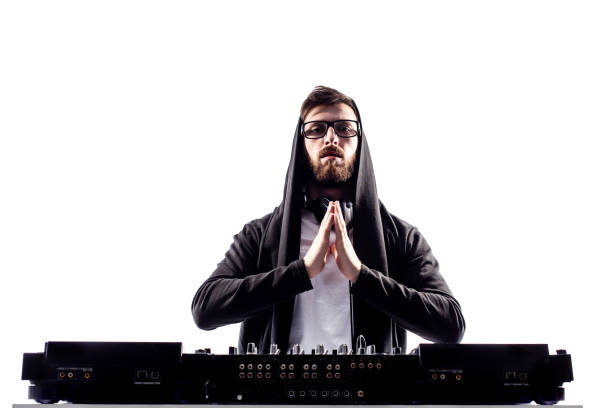
Every DJ has felt that gut-punch moment in the middle of a set. You’re vibing, the track is fire, the bass is hitting just right, and then you look up from your mixer to see half the dance floor shuffling sideways toward the restroom. Not because they love your music so much they need to cry, but because your song just became a bathroom break anthem. Learning to read that moment is not just survival instinct—it’s the very foundation of DJ Life 101, tucked right under that “Reading A Crowd Basics” chapter in your mental handbook. Let’s talk about how to spot, handle, and eventually avoid this absolute vibe-killer.
First off, what actually makes a bathroom break song? It’s not always a bad track. Sometimes it’s a track that’s too slow, too fast, or too emotionally confusing for the room’s current energy. Maybe you dropped a deep house gem that slaps at 4 AM in a dark Berlin basement, but right now at 11 PM in a rooftop bar where people just finished their third spicy margarita, that same track feels like a funeral procession. The crowd’s body language shifts from loose and bouncy to stiff and polite. You see people checking phones, scanning the room, or making eye contact with their friends in that “one more drink or one more bathroom?” look. That’s your cue. That’s the song you need to recognize before it becomes the official soundtrack to the line outside the men’s room.
Reading a crowd is basically pattern recognition for human behavior. The key signs are subtle but universal. Watch the feet first. When people stop tapping, shuffling, or shifting weight side to side, the energy has plateaued. Watch hands next—are they in pockets, holding phones, or crossed? That’s resignation, not relaxation. Watch the exits. If you see more than three people in thirty seconds heading toward the hallway without a drink in their hand, your track is not the hero of this story. You don’t need a masterclass in psychology to know that a room full of people slowly wandering off is a room that’s slowly voting against you with their feet.
Now, the emergency response when you realize you’ve played the bathroom break song. Panic is not the move. Smooth, DJ-friendly panic is. Start by phasing out the current track with a quick loop or a filter sweep—don’t drag it out. This is where knowing your library inside out saves your set. You need a reset track, something with a recognizable hook or a simple four-on-the-floor kick that rebuilds the pulse gradually. Don’t jump straight into a banger. That feels desperate. Instead, pull a track that has a familiar vocal sample or a melody people recognize from last summer’s festival playlists. Familiarity creates comfort, and comfort brings people back from the bathroom line. Then, once the floor refills, you can slowly ramp up the energy again. The trick is to act like you planned this all along. Confidence covers a lot of mistakes.
But the real pro move is prevention. Before you even load the track, ask yourself one question: “If I were standing in this room right now, would I need to pee?” It sounds silly, but it’s brutally effective. Consider the time of night, the crowd’s average age, the venue’s vibe, and the drink consumption rate. If you’re playing a wedding reception at 10 PM where the open bar has been flowing for two hours, a seven-minute progressive house track with no vocals is going to clear the floor faster than a fire drill. But if you play a four-minute remix of a track everyone knows, with a vocal hook that hits every 32 bars, you keep people locked in. Bathroom breaks will always happen—it’s biology—but you want them to happen during the breakdowns, not the drops.
Also, understand that the bathroom break song is not always a sign of failure. Sometimes it’s a sign of smart pacing. A good set has peaks and valleys. A breather track can be intentional, giving the crowd a moment to hydrate, regroup, and stay for the long haul. The difference is intention. If you drop a low-energy track knowing you’re building toward a massive climax in three songs, that’s strategy. If you drop it because you zoned out and forgot to think about the room, that’s a rookie error. The crowd can feel the difference.
So keep your eyes up, your hands on the faders, and your ear to the room’s energy. The bathroom break song is not your enemy—it’s your teacher. Every time you spot it, you learn something about pacing, track selection, and the beautiful chaos of human bodies trying to decide between dancing and dehydration. Master that, and you’re already ahead of half the DJs out there.