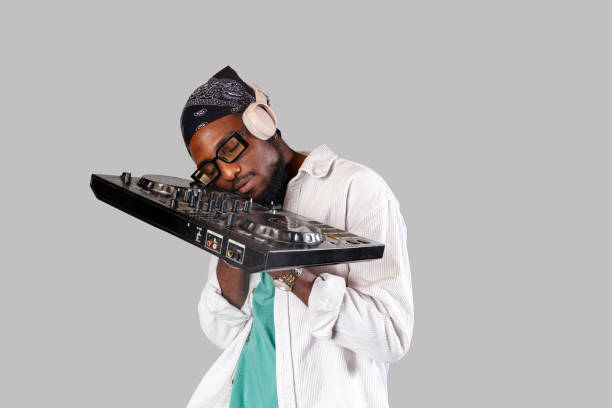
Let’s talk about the merch rack at your last gig. You know the one. You’ve got stacks of tees in classic medium, large, and maybe an XL or two. They look fine. They fit fine. But here’s the thing nobody tells you about building a DJ brand that actually sells: the fit of your T-shirt is a vibe, and right now, the vibe is going big. The “sizing up” trend isn’t just about comfort or hiding a little post-gig digestion bloat. It’s a strategic branding decision that communicates confidence, accessibility, and a subtle nod to the golden-era streetwear that defined club culture from the Paradise Garage to Berghain. When you start ordering your merch in cuts that run a size or two larger than standard, you’re not just selling a shirt. You’re selling a statement that says, “I know what’s cool, and you’re welcome to be part of it.”
Think about the psychology for a second. Oversized tees hit different because they break the mold of the tight, fitted, almost uniform-like look that dominated the early 2010s. Back then, every DJ wanted to look like they stepped out of a minimalist fashion editorial. But today, the culture is leaning into nostalgia and comfort, and nothing screams “I’m rooted in the history of this craft” like a loose, boxy silhouette. When you size up your merch, you tap into the same energy that Larry Levan brought with his effortless, layered style at the Paradise Garage or the raw, unpolished power of Frankie Knuckles’s Warehouse sets. Those pioneers weren’t about stiff, constricting clothing. They were about movement, sweat, and connection. An oversized tee lets your fans move with you, dance in your merch, and feel like they’re wearing a piece of that legacy rather than a corporate souvenir.
From a practical sales standpoint, sizing up is a no-brainer. One of the biggest complaints from fans at festivals and club nights is that merch fits weirdly or too small. You’ve seen it happen—someone falls in love with your design, tries on a large, and it’s too snug across the shoulders or hits them right at the hip in an unflattering way. By ordering your tees in a cut that leans roomy, you solve that problem instantly. A size medium that fits like a generous large accommodates everyone from the slender vinyl collector to the muscle-bound bouncer to the person who just wants to layer it over a hoodie. You reduce returns, you reduce complaints, and you increase the likelihood that someone will wear your shirt in public, which is free advertising every time they walk down the street.
But let’s get into the branding specifics. Your DJ brand isn’t just your logo or your tracklist. It’s the entire sensory experience people have when they encounter you. When you choose an oversized fit for your merch, you’re aligning yourself with the current wave of streetwear culture that runs through bucket-list clubs like Berlin’s Tresor or Tokyo’s WOMB. Those spaces are where fashion and music merge into a single language. An oversized tee signals that you’re not trying too hard, that you’re comfortable in your skin, and that your brand has room to breathe. It’s the opposite of the “hypebeast” look that feels manufactured. It’s more like the casual confidence of a headliner who knows they don’t need to flex—they just let the music and the merch speak for themselves. Wendy Hunt, the legendary DJ and producer whose sets shaped the early UK club scene, once said that the best DJs dress for the booth, not the street. A slightly oversized tee lets you move freely behind the decks, adjust your headphones, and vibe out without your shirt riding up or pulling tight. It’s functional branding.
Don’t sleep on the social media effect either. When you post a photo of yourself wearing your own merch, the oversized look photographs beautifully. It drapes well, doesn’t cling awkwardly, and creates a relaxed, editorial feel that resonates with both Gen Z and Millennial audiences. Your followers will see that fit and think, “I want to look that effortless.” That’s the kind of subconscious pull that turns a sale into a lifestyle choice. And when you’re shipping merch to fans across different time zones or international bucket-list festivals like Tomorrowland or Glastonbury, the forgiving fit means fewer sizing headaches and more five-star reviews.
Now, let’s talk about the actual production. When you order from a merch supplier, ask for a “relaxed fit” or “oversized cut” on your spec sheet. Many manufacturers offer this as a standard option now because the demand is real. You might pay a tiny premium for the larger fabric, but the return on investment is huge because your shirts become more unisex, more wearable, and more likely to sell out. Pair that oversized tee with a simple, iconic design—maybe your logo in a bold serif or a minimalist photo of your decks against a dark backdrop—and you’ve got a piece that fans will wear to the grocery store, to the gym, and straight into the club. That’s brand longevity.
Bottom line: sizing up isn’t a lazy trend. It’s a calculated move in building a DJ brand that feels both authentic and forward-thinking. It respects the history of the craft, fits the current cultural moment, and most importantly, it sells. Next time you’re planning your merch drop, skip the fitted cuts and go big. Your fans will thank you, your brand will thank you, and your backstage mirror will definitely thank you.