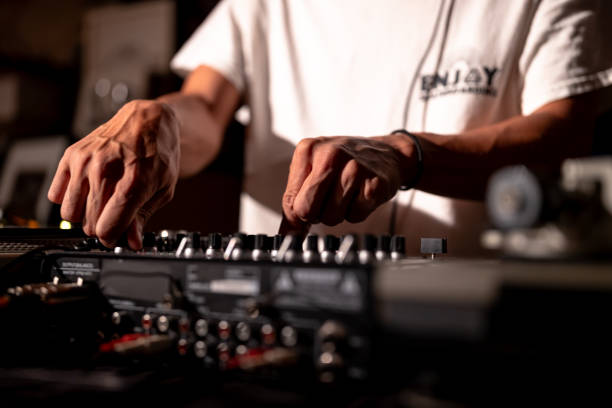
So you’ve finally set up your turntables. You’ve got your decks level, your needle tracking force dialed in, your mixer patched, and your crate of vinyl sorted by BPM. You feel ready to start cutting, chirping, and transforming like a battle DJ. But then you drop your first scratch, and something feels off. Your record drags. Your hand feels sticky. The platter doesn’t spin cleanly under your fingers. What gives? Chances are, you’re using the wrong slipmat—or no slipmat at all. And in the world of Turntable Setup For Scratching, the slipmat is the unsung hero. Two names keep popping up in DJ forums and practice rooms: the Butter Rug and the Dr Suzuki. Both are legendary, but they serve very different vibes. Let’s break down which one belongs under your wax.
First, understand that a slipmat isn’t just a felt circle. It’s the interface between the platter and your vinyl. For scratching, you want minimal friction so the record can spin freely when you stop it or move it backward. The Butter Rug, made by the Brooklyn-based brand Butter Rugs, is basically the gold standard for battle DJs. It’s a thin, ultra-slick felt mat that feels like it’s been greased by angels. The texture is almost slippery to the touch—not in a cheap way, but in a way that makes your records glide with zero resistance. If you’re doing crab scratches, flares, or fast chirps, the Butter Rug lets you maintain speed without fighting the mat. It’s also machine washable, which matters because gigs get grimy. Butter Rugs come with a premium price tag—around twenty to thirty bucks—but they’re built to last through sweaty club sets and basement practice sessions. The downside? If you’re heavy-handed, the record can slip too much, causing accidental pitch drift. You need a light touch, or you’ll find your needle skipping during open format mixes.
Enter Dr Suzuki. This brand is Japanese, known for precision and a slightly thicker, more structured felt. Dr Suzuki slipmats are famous for having a “deadened” surface that absorbs vibration and reduces rumble. For scratching, that means a tighter feel. Your record stays put when you want it to stop, and it doesn’t overshoot when you release it. Many turntablists who prefer a more tactile, controlled scratch choose Dr Suzuki because it gives you feedback—you can feel the contact between your fingers and the vinyl more directly. It’s less “floaty” than the Butter Rug. If you’re learning advanced patterns like the transform or the orbit, the Dr Suzuki helps you lock in timing because the mat doesn’t let the record skate away from you. It’s also slightly quieter than the Butter Rug during normal playback, which matters if you’re recording or performing on sensitive sound systems. The trade-off? Dr Suzukis are harder to find in physical shops, and they can be pricier if imported. They also don’t wash as well as Butter Rugs—the felt can pill or warp after a few washes.
So which one should you buy? It depends on your style and your setup. If you’re using a direct-drive turntable with a high-torque motor like a Technics 1200 or a Reloop 7000, the Butter Rug will let you that motor’s full potential by reducing drag. You’ll be able to scratch faster and with less effort. But if you’re on a lower-torque table, the extra slipperiness can actually make it harder to maintain steady pitch, so Dr Suzuki’s grip might save you. Also consider your hand size and how much weight you naturally apply. Heavy scratchers will prefer Dr Suzuki’s resistance; lighter scratchers will glide on Butter. Neither is wrong, but they’re different tools for different tasks.
A lot of veteran DJs actually run two different slipmats—one Butter Rug on the left deck for cutting, one Dr Suzuki on the right for beat juggling. That’s not crazy. It’s called ear training. But if you’re just starting your Turntable Setup For Scratching, grab one of each and feel the difference. You’ll quickly know which one matches your muscle memory. And don’t forget to clean your vinyl and needles regularly—no slipmat saves you from dust. Whether you go with the Butter’s airy glide or the Doctor’s grounded grip, you’re investing in the foundation of your scratch. The rest is just practice.