If you’ve ever scrolled through your feed and seen clips of a massive inflatable fish floating over a crowd in Barcelona, or a silent disco happening under the Mediterranean sun, you’ve already caught a glimpse of Sonar. But here’s the thing—Sonar isn’t just one festival. It’s a two-headed beast, split into Day and Night, and each half serves a totally different vibe. For DJs, this isn’t just a festival; it’s a masterclass in how to read a room, adapt your set, and understand the full spectrum of electronic music culture. So let’s break down the Sonar split, and why you absolutely need to experience both sides before you call yourself a real festival head.
First, let’s talk about Sonar by Day. This is the part of the festival that runs from late morning into early evening, and it’s basically the ultimate playground for discovery. The daytime venues are scattered across the Fira Montjuïc exhibition center, which sounds like a sterile convention hall but trust me, it’s anything but. You’ve got multiple stages, some indoors with mind-bending visual installations, others outdoors where the sun beats down and the energy is pure euphoria. For DJs, Sonar by Day is where you go to find new sounds before they blow up. It’s not about the big headliners—it’s about the left-field producers, the experimental sets, the live hardware jams that make you rethink what a DJ can even do. If you’re a DJ trying to stay ahead of the curve, this is your research lab. You’ll see acts throwing down genre-fluid blends that don’t fit into a tidy Spotify playlist. You’ll watch someone loop a modular synth for forty minutes and somehow keep the crowd locked. That’s the kind of inspiration that changes how you approach your own craft.
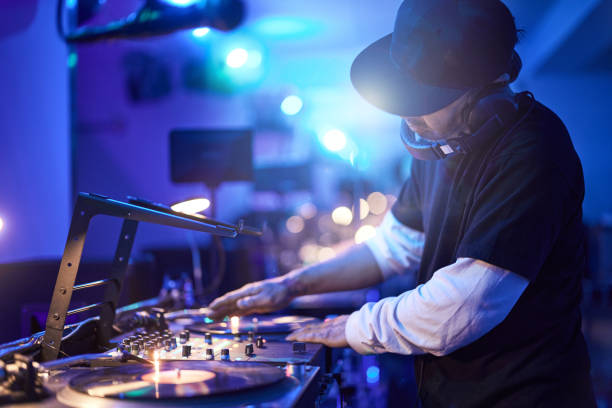
Now flip the script. Sonar by Night is a completely different animal. This happens at the Fira Gran Via, which is basically a massive industrial venue about twenty minutes away from the daytime spot. The vibe shifts hard. Instead of wandering around in shorts and a fanny pack, you’re now in the thick of a full-on rave. The sound systems are brutal. The lights are calibrated to disorient you in the best way. And the crowds? They’re not here to casually browse—they’re here to lose themselves until sunrise. For DJs, Sonar by Night is a pressure test. The headliners are global heavyweights, the slots are more competitive, and the expectations are higher. This is where you see technical mastery in action: flawless transitions, track selection that reads the room’s energy like a sixth sense, and the ability to pivot when a drop doesn’t land. If you’re an aspiring DJ, watching a nighttime set at Sonar is like watching a tightrope walker. You learn what’s possible when you’ve got the chops and the confidence to command 10,000 people.
But here’s the real magic: the split forces you to pace yourself. A lot of new DJs think festival life is all gas, no brakes. Sonar says nah. The daytime sessions are more chill, more exploratory. You can actually talk to people, network with label reps, swap tips with other DJs, and soak in the Barcelona sun without feeling like you’re about to collapse. Then you recharge, grab some tapas, and by midnight you’re back in the trenches for the night program. It’s a rhythm that’s actually sustainable, which matters for mental health and physical wellness—something this site absolutely respects. Traveling DJs burn out fast if they don’t know how to manage their energy. Sonar’s Day vs Night split teaches you that lesson without you even realizing it.
And let’s not sleep on the location. Barcelona itself is a bucket-list city for any DJ. You’ve got clubs like Razzmatazz and Nitsa that have hosted everyone from Jeff Mills to Peggy Gou. The city breathes electronic music. When you’re at Sonar, you’re not just attending a festival—you’re plugging into a lineage that goes back through Larry Levan’s Paradise Garage energy and Frankie Knuckles’ house foundations. You feel the history in the air. Even the way the Spanish crowd dances—less phone-out, more hands-up—gives you a new appreciation for crowd work.
So if you’re building your festival bucket list, don’t sleep on Sonar. Go for both Day and Night. Go with an open mind and a willingness to be humbled by a modular synth session at 3 PM. Go ready to study how the big names command a nighttime stage, but also ready to discover the underground talent that’ll be headlining in two years. That’s the real value of the split. It’s not just a scheduling gimmick. It’s a full-spectrum education in what it means to be a DJ in 2025.