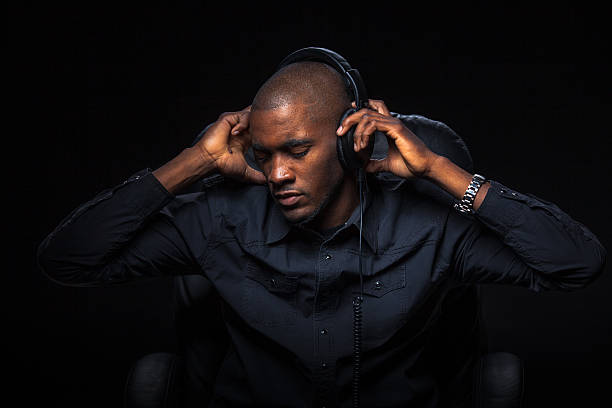
Let’s be real for a second. You’re probably paying for Spotify, maybe Tidal for the hi-fi flex, another sub for Serato or Rekordbox, a VPN for those Beatport rips you swear you’ll organize later, and let’s not even talk about the cloud storage for your crates. Welcome to the streaming revolution, but it’s starting to feel less like a revolution and more like a monthly billing cycle that never ends. This is subscription fatigue, and it’s creeping into the DJ booth faster than a drunk uncle grabbing the aux cord.
The streaming revolution was supposed to free us. No more lugging 40 pounds of vinyl to a basement gig. No more corrupt USB sticks mid-set. Just infinite tracks, instant access, and a library that never runs out of juice. And for a hot minute, it worked. Platforms like Tidal and Beatport LINK let you pull up almost anything in real-time. But now? We’re drowning in sub fees. You can’t just buy a track anymore—you rent the right to play it, and if you stop paying, your entire “crate” goes dark. For DJs, that’s more than an inconvenience. It’s an existential threat to the craft.
Here’s the thing about DJing that often gets missed by the tech bros designing these platforms. A real DJ set isn’t just a playlist. It’s a conversation. You’re digging for that weird B-side from a forgotten 1997 house EP because it has the right vocal chop. You’re layering a dubplate that only 50 people have ever heard. You’re pulling from years of cratedigging, from cracked CD-Rs, from field recordings you made on your phone. The streaming revolution promised convenience, but it also flattened the texture. If everyone has the same 100 million songs, how do you sound like you? Subscription fatigue isn’t just about money—it’s about the loss of identity. When you’re paying for five services just to have options, the soul of digging—the hunt, the obsession, the random score—gets replaced by a search bar.
Think about the trailblazers who built this culture. Larry Levan at the Paradise Garage didn’t have a monthly fee. He had crates of vinyl that he knew inside and out, because he’d listened to them at 3 a.m. while his roommates slept. Frankie Knuckles and Wendy Hunt didn’t shuffle playlists; they selected records that told a story of the room, the moment, the sweat on the walls. The streaming revolution gives you a million tracks, but it also gives you a million distractions. When your entire archive is a subscription away, you lose the friction that makes mixing feel alive. You lose the happy accident—the record that skips a little, the B-side you forgot you had, the track that’s only on a dusty CD because nobody bothered to upload it.
And the irony? The services themselves are cannibalizing each other. You need a Tidal account for lossless streams if you’re playing on a club system. But wait—your controller runs on Rekordbox, which also wants a monthly fee if you want the fancy cloud features. And what about Beatport? That’s another sub if you want to download tracks without paying per track. Serato users, don’t feel left out—Pitch ’n Time is a whole other price tag. By the time you’ve paid for your streaming services, your software subscriptions, and your storage, you’ve spent more than you ever would have on a few dozen essential records. The future of DJing shouldn’t be a series of auto-payments.
So where does this leave us? The streaming revolution isn’t going away, but the smartest DJs are already adapting. They’re curating their own local libraries again—not because they have to, but because they want to. They’re treating streaming as a supplement, not a crutch. They’re buying key tracks, not renting the world. And they’re pushing back against the idea that infinite choice equals better music. The best sets I’ve heard recently weren’t played on computers with millions of tracks. They were played on a single USB stick, carefully curated, with a story behind every byte.
The future of DJing is about balance. Use the streaming revolution for what it’s good for—discovery, access to rare stuff, and backup options. But don’t let subscription fatigue steal your voice. Because at the end of the night, nobody in the crowd is thinking about your monthly bills. They’re feeling the groove. Make sure it’s yours.