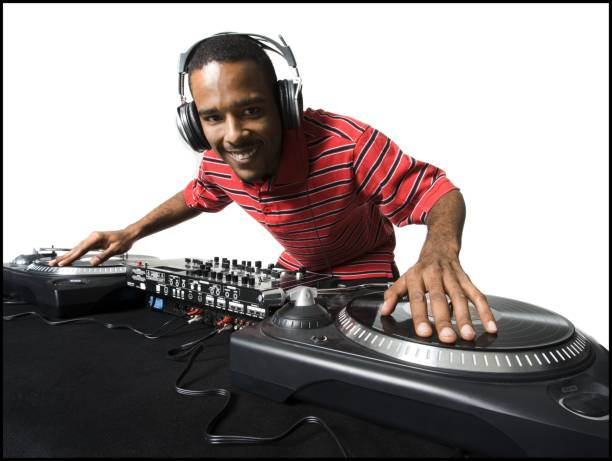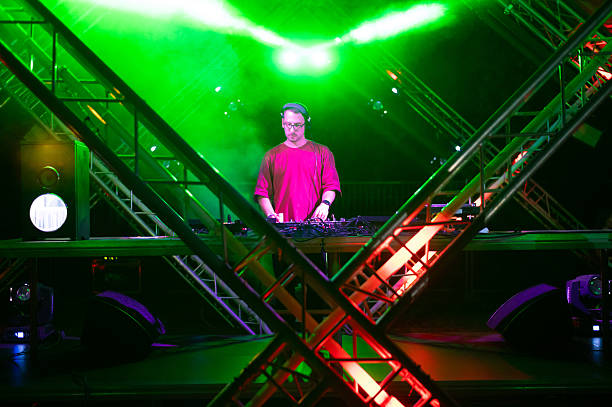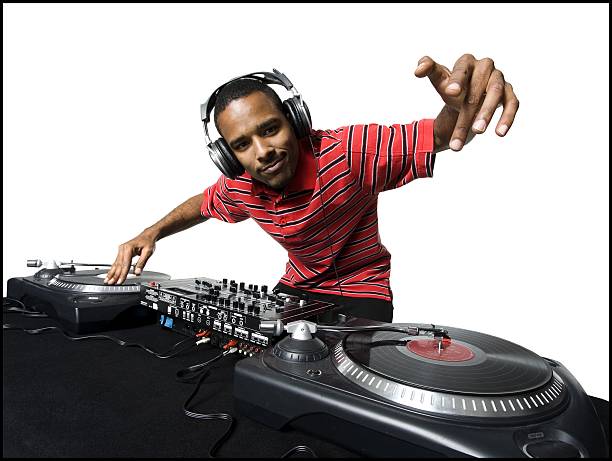
You’re standing in the booth, sweat dripping down your temples, the crowd is locked in, and just as the energy starts to dip, you drop that transition that makes the whole room exhale. That moment, that perfectly timed, euphoric blend of two tracks—or sometimes just one track that feels like it’s breathing—that’s a roller. In the club world, a roller isn’t just a term for a certain type of track or a sneaky transition. It’s a whole vibe, a golden standard of peak-time DJing that separates the bedroom mixers from the master teardrop-makers. If you’re new to the booth or just trying to decode the chat in the DJ Discord, here’s your cheat sheet to the language of the dancefloor.
First off, a roller is a track that just pulls you. It has that constant, hypnotic groove where the beat feels like it’s rolling over itself, creating a forward motion that never quite peaks in an obvious way. Think of classic Chicago house or deep techno from the ’90s—tracks that don’t just drop a bass bomb and walk away. They build, they breathe, they loop a subtle vocal or a hat pattern that makes your head nod forward like you’re on a conveyor belt to a better dimension. Picture Frankie Knuckles spinning a Larry Levan floor-filler at the Paradise Garage. That steady, four-on-the-floor pulse with a layer of airy pads and a stripped-back groove? That’s a roller. It’s the sound of a room that never wants to leave.
But the word isn’t just about the music itself; it’s about what the DJ does with it. If you’ve ever heard someone say, “That transition was a total roller,” they mean the blend between two tracks was so smooth it felt like one continuous wave. You see, a skilled DJ isn’t just hitting play. They’re using EQs, subtle filters, and maybe a little reverb to erode the edges between songs. The goal is to make the dancefloor forget there was ever a change. A roller transition uses phrasing—starting the next track at the end of a 32-bar phrase—so the energy glides. No chop, no awkward silence, just a liquid handoff. The crowd doesn’t clap; they just keep dancing because the music never stopped.
Then there’s the mental side of rolling. In DJ slang, when you’re “on a roll,” you’re in that flow state where every track you pick works, every loop feels right, and the crowd is reading your mind. Being a roller means you’ve moved beyond technical skill into intuition. Larry Levan was the king of rolling because he could play a disco track, then a proto-house dub, then a hip-hop breakbeat, and somehow make the whole night feel like one long, perfect mix. He didn’t care about BPM wars; he cared about the emotional arc. Modern rollers like Honey Dijon or Four Tet (yes, that Boiler Room set) embody this. They’re not just DJs; they are curators of the motion.
Don’t confuse a roller with a banger. A banger explodes and then fades. A roller is patient. It keeps you on a horizontal plane of dopamine. If a banger is a jump, a roller is a sway. When you’re mixing live, the language of the dancefloor demands that you know when to roll and when to rip. You might hear someone in the booth whisper, “Keep it rolling,” and that means: don’t rush the climax. Let the groove breathe. Let the hats wash over the crowd. Add a filter sweep that opens the track slowly. The crowd will start rolling their shoulders, their heads, their whole bodies. That’s the sign you’ve landed the roll.
For the digital warrior, rollers live in the transition zones of your tracklist. You can build a whole set around them—think deep garage rollers, melodic techno rollers, or even low-slung disco rollers. A good rule? If a track has a longer intro with a clean kick and a looping synth or vocal tease, it’s probably a roller. It’s built for blending. It’s built for the moment you look across the booth at your DJ partner and just nod. No words needed.
So next time you’re building a set or talking shop with other DJs, drop the term properly. Don’t just call every cool track a banger. Call a track a roller when it makes the whole room tilt forward into a collective trance. Call a transition a roller when it feels like butter. Call yourself a roller when you’re locked in, reading the room, riding the wave. The language of the dancefloor is alive, and it belongs to those who understand that the best nights aren’t about climaxes—they’re about the continuous, rolling lift. Now go spin something smooth.